Why Neil the Seal is the Internet’s Favorite Chaos Agent in 2026
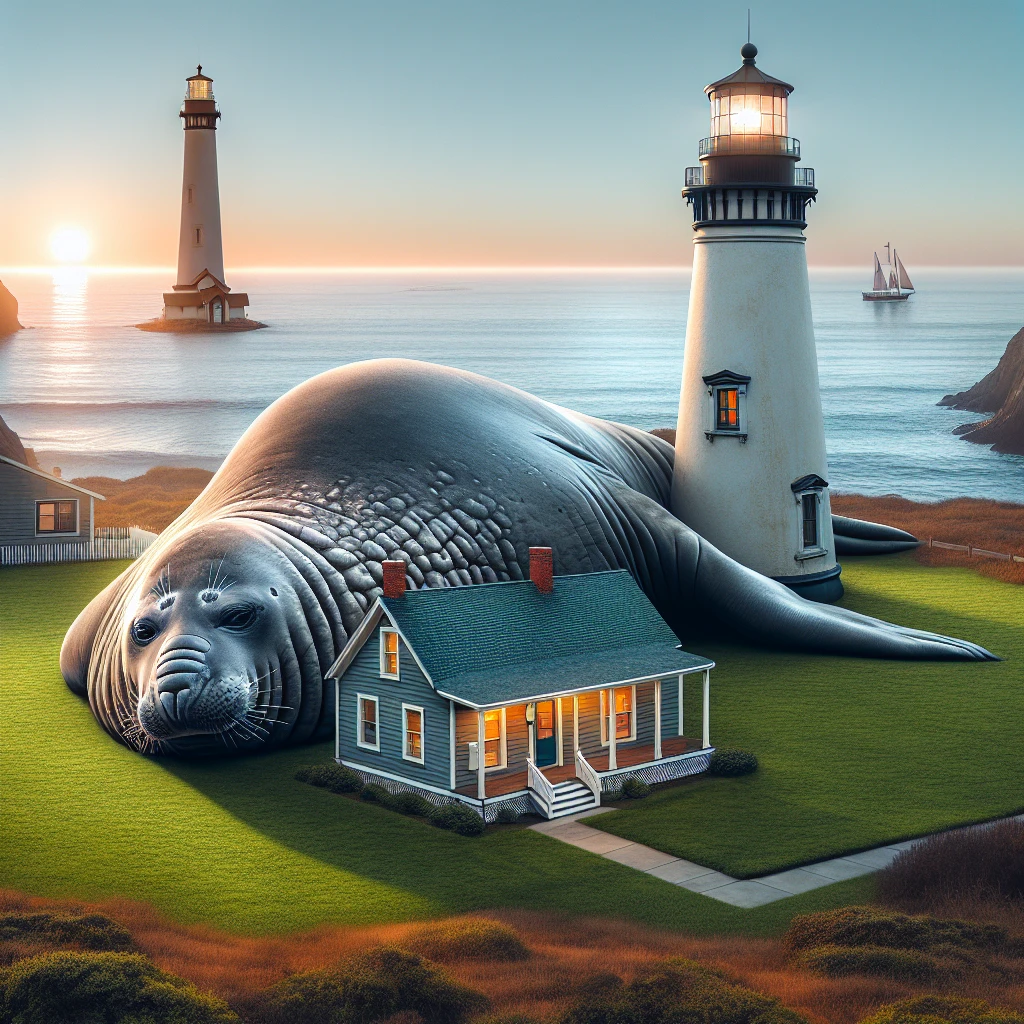
Have you ever wondered how Neil the Seal went from a regular marine mammal to an absolute global superstar taking over the streets of Tasmania? Tasmania, 2026. Picture this: you wake up, grab your morning coffee, and try to pull out of your driveway to head to work, only to find a 600-kilogram southern elephant seal casually napping on your sedan. That is the everyday reality for residents of Dunalley and surrounding coastal towns right now. Neil isn’t just an animal; he is a massive local landlord who completely dictates when and where you are allowed to move. I remember a mate from Hobart texting me a photo just last month saying, “Can’t make it to work today, mate. Neil has officially confiscated my Honda.”
The sheer unpredictability of this magnificent beast has captured hearts globally. He knocks over traffic cones, snoozes on pristine manicured lawns, and completely ignores any human attempts to herd him back into the freezing ocean. We are witnessing a truly unprecedented phenomenon where heavy wildlife seamlessly, hilariously, and disruptively integrates into standard suburban living. Understanding Neil requires looking past the funny viral TikToks and deeply appreciating the raw, beautiful reality of southern elephant seals boldly reclaiming their historical resting grounds. By the end of this read, you will know exactly what makes this blubbery icon tick and why his supreme reign over Tasmanian suburbs continues stronger than ever this year.
The Core Impact of Tasmania’s Biggest Celebrity
Understanding the true value of Neil the Seal goes way beyond just sharing funny clips with your friends. His enormous physical presence forces a unique human-wildlife negotiation that most modern urban planners simply never anticipated. First off, he acts as a massive, heavily breathing speed bump for neighborhood traffic, unintentionally promoting extreme pedestrian safety. Second, he massively boosts local tourism economies; people genuinely travel halfway across the globe to Tasmania hoping to catch a glimpse of a giant marine mammal sleeping loudly in front of a local bakery.
| Characteristic | Neil the Seal (Southern Elephant Seal) | Standard Australian Fur Seal |
|---|---|---|
| Average Adult Weight | Up to 3,000 kg | 220 to 360 kg |
| Suburban Behavior | Naps on cars, relentlessly knocks over fences | Stays firmly on rocky, isolated shores |
| Global Media Status | Viral megastar causing international news | Occasional local community mention |
The sheer educational value of Neil’s presence is truly staggering. Instead of passively reading boring textbooks, local kids are actively learning about complex marine biology because a giant seal is physically blocking their regular school bus route. For instance, in January 2026, Neil forcefully relocated an entire family’s set of garbage bins just to create a highly customized windbreak for his afternoon nap. Another prime example occurred when local police had to invent a completely new procedural protocol named “Operation Heavy Sleeper” just to safely reroute highway traffic around him without causing him any unnecessary stress.
Here is why Neil commands such massive, unparalleled respect from the public:
- Absolute fearless dominance: He genuinely views all human infrastructure simply as comfortable furniture designed exclusively for his personal use.
- Booming vocal expressions: His bizarre, aggressively loud burps and grunts serve as his primary, effective method of communicating strict personal boundaries.
- Ironclad legal protection: He is strictly shielded by heavy marine conservation laws, meaning he holds considerably more legal rights on your front lawn than you do.
- Unpredictable daily routing: Literally nobody knows where he will show up next, effectively turning mundane morning commutes into a thrilling daily lottery.
Neil isn’t just a seal; he is a bold statement from nature itself. He reminds us constantly that the land we eagerly paved over still deeply belongs to the wild. The residents have completely adapted, swapping their initial frustration for genuine amusement. You simply haven’t experienced real modern Tasmanian culture until you’ve had to politely ask a giant marine mammal for permission to leave your own house.
Origins of the Legend
The fascinating story of Neil the Seal began long before the explosive viral fame of 2026. Born in the harsh, freezing sub-Antarctic regions, likely somewhere around remote Macquarie Island, he started life as just another southern elephant seal pup desperately navigating the treacherous Southern Ocean. Elephant seals traditionally spend many continuous months out at sea relentlessly hunting squid and deep-water fish, only coming ashore briefly to rest, molt their skin, or breed. However, Neil developed a rather eccentric, highly unusual preference for the populated Tasmanian coastline. While most regular seals aggressively stick to isolated, rocky beaches away from human noise, Neil quickly realized that suburban environments offered vastly superior resting comforts: smooth dark asphalt holding the warm sun’s heat, nicely manicured soft lawns acting as premium mattresses, and wooden fences perfectly angled for an intense back scratch.
Evolution of His Suburban Takeover
As Neil rapidly grew from a large, clumsy pup into a truly massive juvenile weighing hundreds of kilograms, his overall confidence evolved drastically. Early on, he might have just quietly loitered around local boat ramps and sleepy docks. But soon enough, he dramatically escalated his daring mainland incursions. He started confidently shuffling straight up steep driveways, completely ignoring aggressively barking dogs, and making himself right at home directly in front of essential local businesses. Marine biologists quickly stepped in and tagged him to safely monitor his erratic movements, inadvertently bestowing upon him his now-legendary name. People everywhere started meticulously tracking his whereabouts, naturally creating a massive community-driven effort to keep him perfectly safe from oncoming traffic while simultaneously documenting his completely hilarious disrespect for any private property.
Modern State in 2026
Fast forward directly to 2026, and Neil the Seal is a firmly established, highly protected cultural pillar of Tasmania. He isn’t viewed as just a random visitor anymore; he is practically considered an honorary citizen with a highly dedicated, fast-acting security detail. Marine conservation authorities have established incredibly strict perimeter rules, rapidly deploying specialized warning signage whenever he abruptly decides to take a multi-day nap in a highly populated residential area. Forward-thinking local councils have even officially factored unexpected “seal detours” into their complex seasonal traffic planning budgets. His remarkable evolution from a lost, wandering little pup into an internationally recognized symbol of successful wildlife cohabitation proves that humans can, against all odds, learn to peacefully share their immediate living space with giant predators.
The Biology Behind the Beast
To fully grasp exactly why Neil the Seal acts the specific way he does, we desperately need to look closely at the hard, fascinating science of Mirounga leonina, the southern elephant seal. These incredible creatures are the ocean’s ultimate apex divers. Their large bodies are highly specialized biological machines perfectly designed for surviving extreme deep-water pressure and freezing oceanic temperatures. When Neil awkwardly hauls his massive bulk out onto a random Tasmanian street, he is usually undergoing a highly demanding biological process called a “catastrophic molt.” Unlike mostly other mammals that shed their excess hair gradually over time, elephant seals aggressively shed their entire top layer of skin and thick fur all at once in big sheets. This brutal process absolutely requires them to stay totally dry on land for several weeks to aggressively conserve core heat and vital energy. Pumping warm blood to the bare skin surface in freezing water would quickly lead to fatal hypothermia. Dark asphalt beautifully retains solar radiation, making a normal suburban road the literal equivalent of a heated luxury spa for a heavily molting seal.
Biomechanics and Terrestrial Locomotion
Moving a heavily blubbered body that currently weighs well over 600 kilograms on dry land is seriously no easy physical feat. Elephant seals completely lack the functional, rotating hind flippers of agile sea lions. Instead, they must move using a bizarre, caterpillar-like heaving motion, fiercely utilizing their incredibly powerful core belly muscles to violently heave themselves forward inch by inch. This is an incredibly energy-intensive form of terrestrial locomotion, which perfectly explains why Neil sleeps so unbelievably deeply and for such massively long periods of time.
- Extreme oxygen storage: Their thick blood contains massive, concentrated amounts of hemoglobin, allowing them to effortlessly hold their breath for up to two solid hours during deep-sea hunting dives.
- Bradycardia capabilities: When diving deep into the abyss, or sometimes even when just resting on a lawn, their heart rate can miraculously drop to just a few beats per minute to drastically conserve precious oxygen.
- Advanced thermal regulation: Their incredibly thick layer of dense blubber acts as an impenetrable physical barrier to the freezing cold, but on warmer summer days in sunny Tasmania, they actively need to flip wet sand or cool dirt onto their backs to quickly prevent dangerous overheating.
- Sensory whiskers: Highly sensitive, long vibrissae uniquely help them perfectly detect the subtle hydrodynamic trails of fleeing prey in pitch-black, freezing waters.
Day 1: Arrive and Monitor Official Channels
If you genuinely plan on visiting beautiful Tasmania in 2026 and hope to safely observe this magnificent, giant creature, you desperately need a strict, highly responsible strategy. Start your tracking journey in Hobart. Immediately follow all verified local marine conservation pages and official police social media updates. They reliably provide accurate, real-time GPS-assisted locations of Neil’s current napping spots. Never, ever rely on outdated or unverified social media posts from random tourists.
Day 2: Prepare Your Viewing Equipment
You absolutely cannot approach him under any circumstances. Therefore, be sure to pack high-quality, long-range binoculars and a professional camera equipped with a heavy telephoto lens. This vital gear ensures you get truly stunning, frame-worthy photos without ever breaching the heavily enforced mandatory minimum viewing distance of 20 meters.
Day 3: Scout the Target Neighborhoods
Drive very safely and slowly through Dunalley and the wider Tasman Peninsula. Constantly look for highly visible, official wildlife traffic cones. If you suddenly see specialized flashing “Seal Ahead” signs actively deployed by the council, park your vehicle far away in a safe spot and proceed strictly on foot.
Day 4: Observe the Catastrophic Molt
When you finally manage to spot him snoozing, take ample time to quietly study his incredible biology from afar. Watch closely how he breathes heavily, observe how his old, gray fur peels away in patches, and notice how he perfectly thermoregulates by cleverly resting heavily on the sun-warmed concrete. Make sure to take mental notes on his deeply strange vocalizations.
Day 5: Engage with Local Residents
Chat politely with the friendly locals from a highly safe distance. Eagerly ask them about their own personal, bizarre encounters with the town’s biggest celebrity. They always have the absolute best, highly entertaining stories about how Neil completely blocked their front doors, flattened their mailboxes, or aggressively rearranged their expensive garden furniture overnight.
Day 6: Participate in Coastal Cleanup
Actively give back to Neil’s beautiful natural habitat. Spend your free afternoon meticulously picking up stray plastic and harmful debris scattered along the local shoreline. Actively protecting his pristine oceanic home is without a doubt the ultimate way to properly show deep respect for the entire internet’s absolute favorite marine mammal.
Day 7: Document and Share Responsibly
Carefully compile your best photos and quickly share them online with your friends, but make absolutely sure to include highly educational, factual captions. Constantly remind your eager followers about the strict 2026 wildlife protection laws and the crucial biological reasons behind his extended, highly disruptive land stays.
Debunking Elephant Seal Misconceptions
Myth: Neil is totally stranded on land and desperately needs humans to drag him back into the ocean.
Reality: He is perfectly fine and extremely healthy! He is highly intentionally on land to safely rest and undergo his natural molt. Forcibly driving him into the freezing water would completely disrupt his natural biological cycle and cause extreme, life-threatening stress.
Myth: Because he looks so cute, fat, and sleepy, it is totally safe to gently pet him.
Reality: Absolutely not. Neil is a fully wild, incredibly heavy, and surprisingly fast marine predator. An irritated, startled elephant seal can easily move rapidly across a lawn and cause severe, crushing injuries. Always maintain a massive, respectful distance.
Myth: Neil is totally lost and confused because he is so far away from Antarctica.
Reality: Southern elephant seals actually frequently range massively across the entire Southern Ocean. Hauling out freely on Australian and warm Tasmanian beaches is a completely normal, well-documented historical behavior for exploring juveniles.
Myth: He aggressively acts this way only because foolish humans feed him fish.
Reality: Neil relies entirely and exclusively on his own elite deep-sea hunting skills. He visits the busy suburbs strictly for comfortable, predator-free sleep, completely ignoring any human handouts.
Frequently Asked Questions About Neil
How much does Neil the Seal currently weigh?
Currently, safely residing in 2026, he easily weighs well over 600 kilograms and continuously grows larger every single day toward his massive 3,000 kg adult potential.
Is it highly illegal to touch him?
Yes, it is strictly and heavily illegal. The financial fines for actively harassing or touching protected marine mammals in Tasmania are absolutely massive and heavily enforced by local police.
Why does he seemingly like traffic cones so much?
He highly likely views them as amusing, easily chewable toys that happen to be perfectly snout-height, or simply as weak territorial obstacles he desires to dominate.
How long does he typically stay completely on land?
During his intense molting phase, he can easily remain perfectly dry on land for roughly three to four solid weeks without eating a single thing.
Can I legally feed him fresh fish?
Never. Feeding any wild marine mammals aggressively disrupts their natural, vital hunting instincts and dangerously makes them completely dependent on unpredictable humans.
Where exactly does he prefer to sleep?
Literally anywhere he heavily wants to. Soft lawns, warm asphalt driveways, the dead middle of busy public roads, and occasionally forcefully wedged right in front of residential garage doors.
Will he ever eventually stop coming back to town?
As he fully matures into a highly aggressive, fully grown breeding bull, he will highly likely permanently relocate back to the remote sub-Antarctic islands to fiercely fight for a breeding harem, making these charming suburban visits increasingly rare.
Neil the Seal has completely, spectacularly rewritten the standard rulebook on exactly how we safely interact with modern wildlife in 2026. He actively demands ample space, total respect, and a remarkably good, warm asphalt driveway to sleep on. Confidently share this comprehensive guide with all your friends, immediately book that thrilling trip down to Tasmania, and always carefully remember to check your front yard thoroughly before starting the car!