
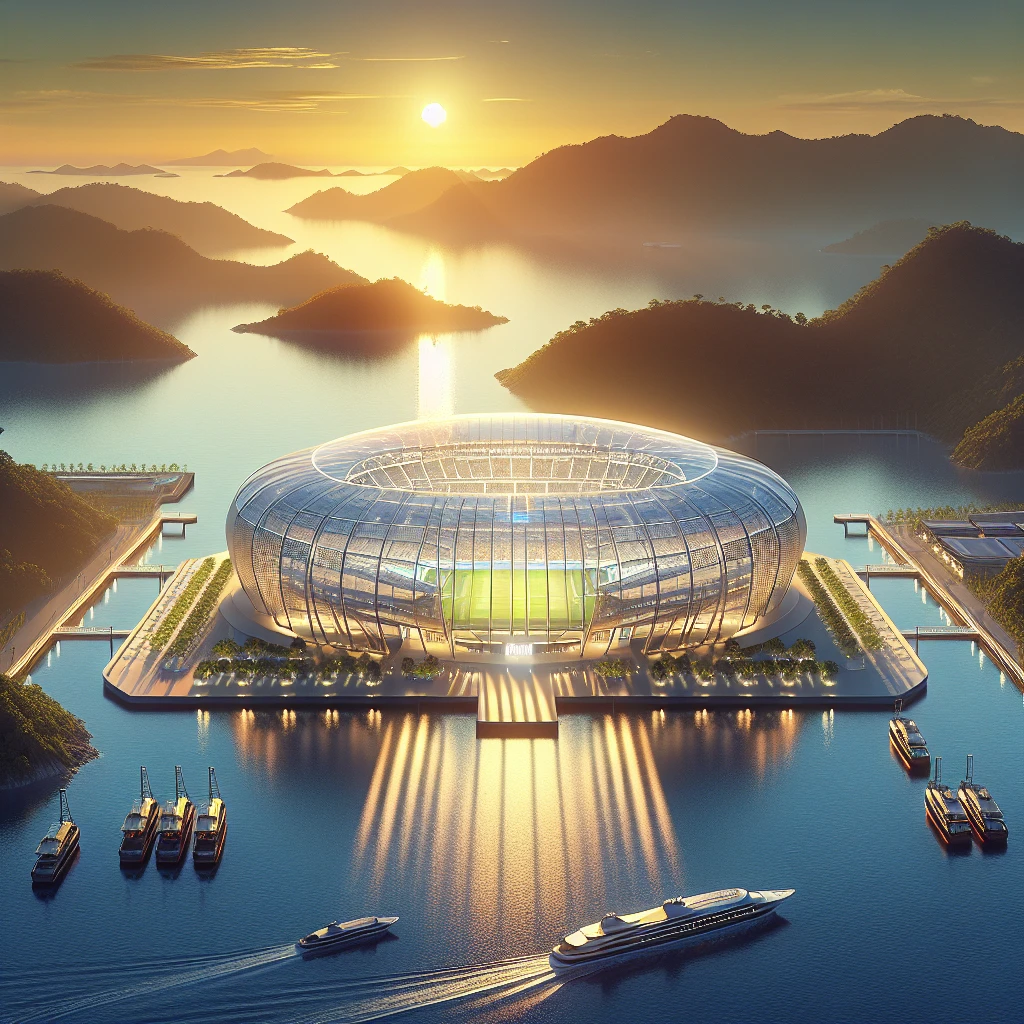
Why the Hobart AFL Stadium Changes Everything
Have you ever wondered how the highly anticipated hobart afl stadium is shaking up the local sports scene? For decades, Tasmanian footy fans have been screaming out for a venue that genuinely reflects their passion for the game. Now, it is finally happening, and the energy around the island is electric. Getting a dedicated arena isn’t just about putting grass and goalposts in a new postcode; it is about cementing a legacy for generations who grew up freezing on local muddy ovals.
I remember sitting at a local pub near Salamanca Place just last week, grabbing a parma, and listening to the absolute buzz from the locals. The conversation wasn’t just about who would play on the team, but how the venue itself would shift the center of gravity in Hobart. That massive stretch at Macquarie Point has always been a bit of a blank canvas, waiting for a masterstroke.
This massive development guarantees that Tasmania is no longer just a secondary stop for mainland teams wanting a quick weekend game. It builds a genuine fortress for local talent and visiting fans alike. We are talking about a state-of-the-art facility designed specifically to handle the wild southern weather while keeping the roar of the crowd trapped right where it belongs—over the field. The whole city feels like it is holding its breath, waiting for that first bounce.
To truly grasp the scale of what is happening, we need to break down the actual benefits and what makes this site tick. The venue brings massive upgrades compared to anything currently operating on the island.
| Venue Feature | Hobart AFL Stadium | Blundstone Arena |
|---|---|---|
| Capacity | 23,000 Seats | 19,500 Seats |
| Weather Protection | Fixed Transparent Roof | Open Air (High weather risk) |
| Location Logistics | Macquarie Point (CBD integration) | Bellerive (Requires bridge transit) |
The value proposition here is massive. First, the economic boost to local bars, hotels, and restaurants in the Hobart CBD will be unmatched, as 23,000 fans flood the city center every second weekend. Second, it guarantees year-round entertainment. Because of the roof structure, massive international concerts can finally book Hobart during winter without fearing a massive downpour ruining the gig.
Here are the absolute top three features making this build completely unique:
- The Transparent Dome: This ensures natural grass can grow flawlessly while keeping fans totally dry and warm during brutal July night matches.
- Waterfront Transit Integration: Fans can literally take a ferry straight to the stadium gates from across the River Derwent.
- Acoustic Cauldron Design: The steep seating bowl is intentionally engineered to bounce crowd noise straight back onto the pitch, creating an intimidating atmosphere for visiting sides.
You cannot fully appreciate this massive project without looking back at the brutal, decades-long fight to get it off the ground.
The Origins of the Tassie Footy Dream
Tasmania has always been a heartland for Australian Rules Football. For over a hundred years, the state produced some of the most legendary names to ever lace up a pair of boots. Yet, despite bleeding football, the island was repeatedly told it lacked the population and the infrastructure to support its own permanent AFL license. The conversation always hit a brick wall: “Build a stadium, and maybe we’ll talk.” The origins of this dream are rooted in pure stubbornness. Local supporters refused to let the dream die, continually filling out local grounds for exhibition games and making enough noise to force the AFL to look south.
Evolution of the Macquarie Point Bid
When the push for a 19th AFL license gained serious momentum, the primary condition from the league was crystal clear: you need a world-class venue. Bellerive and York Park are fantastic, but they don’t meet the massive commercial and broadcasting demands of a modern franchise. Macquarie Point emerged as the only logical choice. It sits right on the edge of the deep-water harbor, practically begging for urban renewal. The bid evolved from a few sketched concepts into a massive, multi-billion-dollar urban precinct plan. It wasn’t just about sports anymore; it became a vision to reconnect the Hobart waterfront with the northern suburbs.
Modern State of the Build
Now that we are deep into 2026, the skyline is visibly shifting. The heavy earthworks are largely wrapped up, and the skeletal structure of the massive grandstands is starting to cast long shadows over the Derwent. Walking past the site today, you can hear the constant hum of heavy machinery and see the massive cranes moving steel into place. The engineering hurdles of building on reclaimed land have been massive, but the pace is absolutely relentless. Every week, thousands of locals walk along the docks just to check the progress, treating the construction site like a rising monument.
Building a stadium in a location known for freezing Antarctic winds and heavy winter rainfall requires some serious engineering muscle.
Acoustic and Architectural Engineering
The architectural mandate was clear from day one: build a venue that feels completely integrated with the Tasmanian landscape while providing unparalleled comfort. The steep incline of the seating tiers isn’t just for sightlines; it is an acoustic strategy. Engineers used advanced sound-modeling software to ensure that the roar of 23,000 fans is contained and directed downwards. The timber used in the concourses and structural highlights is locally sourced Tasmanian oak and celery top pine, paying homage to the island’s deep forestry history while keeping the carbon footprint of the materials extremely low.
The Science of the Fixed Roof
The roof is arguably the most controversial and highly engineered part of the entire project. Instead of heavy steel and opaque materials, the design utilizes a massive ETFE (Ethylene Tetrafluoroethylene) membrane. This isn’t just plastic; it is a highly specialized polymer that behaves entirely differently from traditional glass.
- Light Transmission: The ETFE allows up to 95% of natural sunlight to pass through, which is absolutely critical for keeping the natural turf healthy during the dark Hobart winters.
- Thermal Regulation: The multi-layered air pockets within the roof panels act as massive thermal blankets, trapping heat inside the venue while deflecting freezing southern winds away from the crowd.
- Acoustic Dampening: To prevent the stadium from sounding like a massive, echoing tin can, the underside of the structural beams is lined with specialized acoustic baffles that absorb rogue high-frequency noises, ensuring stadium announcements and concert music sound crisp.
If you are planning to come down and experience this venue for yourself, you need a solid game plan. Here is a perfect 7-day itinerary for a massive footy week in Tasmania.
Day 1: Arrival and Waterfront Scouting
Fly into Hobart Airport, grab your rental car, and head straight to your CBD hotel. Spend your first afternoon walking around the docks. Grab some fresh fish and chips at Constitution Dock and take a stroll past the Macquarie Point precinct to see the sheer scale of the venue from the outside. You will instantly understand why the location is so heavily praised.
Day 2: Exploring the Northern Suburbs Footy Culture
Head up towards Glenorchy and see where local footy bleeds. Catch a local TSL (Tasmanian State League) game if the season is running. The grassroots level here is tough, fast, and incredibly passionate. Grab a pie from a local bakery and chat with the old-timers leaning on the fence; they have the best stories about the history of the game down here.
Day 3: Mount Wellington and Local Pubs
You cannot visit Hobart without driving up kunanyi / Mount Wellington. Dress warmly, because the wind up there is relentless. After freezing at the summit, head back down into South Hobart to warm up at the Cascade Brewery. Enjoy a tasting paddle and some heavy pub food to prepare your stomach for the weekend.
Day 4: The Pre-Game Build Up at Salamanca
Spend your Saturday morning getting lost in the famous Salamanca Market. Buy some local gin, handmade crafts, and excessive amounts of local fudge. By the afternoon, the energy in the pubs along the strip will start to shift. Fans from both sides will be pouring in, wearing their colors, and sharing a few pints. The banter here is legendary.
Day 5: Game Day at the Hobart AFL Stadium
This is it. Ditch the car and walk from the CBD or catch one of the dedicated footy ferries. Arrive early to walk the massive timber concourses and grab your seat. When the siren sounds and the noise hits the roof, you will feel it in your chest. Post-game, the entire crowd spills back out into the city, keeping the waterfront bars packed until the early hours.
Day 6: Post-Match Recovery and MONA
After a massive night at the game, you need a slow day. Jump on the camouflage ferry and head up the river to MONA (Museum of Old and New Art). It is weird, wonderful, and exactly what you need to balance out the sports weekend. Grab a locally sourced lunch at their on-site restaurant and debate the game’s best moments.
Day 7: Farewell and Souvenir Shopping
Pack your bags, but before heading to the airport, grab a coffee in Battery Point. Pick up a local guernsey or a scarf to prove you were there for the inaugural era. Head to the departure lounge knowing you just experienced the newest, best sporting fortress in the southern hemisphere.
Let’s bust some massive myths surrounding this project.
Myth: The stadium will block views of the mountain and ruin the waterfront.
Reality: The design was strictly capped at a specific height to maintain sightlines from the city to the water, and it actually replaces an old, ugly industrial rail yard.
Myth: It is purely a football venue that will sit empty for half the year.
Reality: Thanks to the roof, it is a true multi-purpose arena. It will host international rugby, massive music festivals, trade shows, and potentially even specialized cricket events.
Myth: The traffic gridlock will be impossible to manage.
Reality: The entire precinct is engineered around pedestrian access, ferry terminals, and a new northern transit corridor. You literally don’t need to drive to the gate.
Myth: The turf will die because of the roof.
Reality: The ETFE membrane allows near-total UV penetration, supported by massive automated grow-light rigs during the darkest winter months.
FAQ
What is the capacity of the stadium?
The venue holds exactly 23,000 seated fans, designed specifically to create an incredibly dense, loud atmosphere without looking empty during smaller fixtures.
Where exactly is it located?
It is situated at Macquarie Point, right on the water’s edge, practically a five-minute walk from the famous Salamanca Place and the main Hobart CBD.
Who is paying for the construction?
It is a mixed-funding model involving the Tasmanian State Government, the Federal Government, and a massive initial cash injection from the AFL itself.
Will it host cricket matches?
While Bellerive remains the primary cricket hub, the new stadium has drop-in pitch capabilities for massive blockbuster Big Bash or international T20 events.
Is the roof retractable?
No, the roof is entirely fixed. A retractable roof was deemed too expensive and mechanically vulnerable to the extreme southern wind conditions.
When will the first official game be played?
The timeline targets the Tasmanian team’s official entry into the league, with the major debut expected to align perfectly with the launch of the new AFL season.
How do I get tickets?
Ticketing will be handled through standard AFL platforms, but getting a local club membership will be your only absolute guarantee to secure seats for the biggest rivalry games.
Building the hobart afl stadium has been a wild ride of politics, passion, and engineering. It gives the island a true sporting fortress that will stand for decades. If you haven’t started planning your trip down south to catch a game under that massive transparent dome, you are already falling behind. Drop a comment below if you are planning to score tickets for the first season, and share this guide with your mates so you can start organizing your ultimate Tasmanian footy weekend right now!