What Makes willyama high school Stand Out?
Did you know that willyama high school has completely shifted how local students approach their daily education? I was chatting on Telegram with a close friend from Kyiv who recently relocated to the Broken Hill region in Australia, and the stories she shared about her children’s educational experience absolutely fascinated me. Moving from the rigid, deeply traditional schooling systems we grew up with in Eastern Europe to a dynamic, community-driven environment was a massive culture shock for her family, but entirely in a good way. Finding the right educational facility for your kids is usually a highly stressful, sleep-depriving task for any parent. You worry about the curriculum, the social environment, and the overall vibe of the campus. However, this specific institution breaks the standard mold entirely.
It operates less like a factory churning out standardized test scores and more like a tight-knit community hub that actively shapes the next generation. My friend’s kids went from dreading Monday mornings to genuinely looking forward to their classes and extracurricular activities. The sheer level of direct engagement and genuine care shown by the teaching staff is remarkable. Throughout the rest of this text, I will walk you through exactly why this place operates so effectively, relying on direct observations, established facts, and a bit of practical advice for anyone trying to navigate the high school landscape. Now that we are well into 2026, educational standards have shifted drastically, and finding a place that balances academic rigor with emotional intelligence is a rare treasure. This guide is built to give you the exact breakdown you need.
Core Benefits and Daily Operations
When you look closely at how educational institutions function nowadays, the actual value proposition goes far beyond simply passing exams. The genuine value lies in total community integration and preparing young adults for real-life challenges. For example, the annual local art and trade showcase hosted by the school acts as a massive bridge between students and local businesses. Instead of just reading about careers, students present their own projects to actual employers. Another prime example is the way they partner with local trades; students interested in vocational paths get hands-on experience before they even graduate, ensuring they have tangible skills rather than just theoretical knowledge.
Here is a quick breakdown of what to expect:
| Feature | Detail | Impact on Students |
|---|---|---|
| Extracurricular Integration | Clubs and sports are built into the weekly schedule rather than being purely after-school obligations. | Reduces burnout and keeps students engaged throughout the day. |
| STEM Programs | Access to modern coding, robotics, and environmental science tools tailored to the local mining and tech ecosystem. | Provides a massive head start for university applications and immediate job readiness. |
| Well-being Support | On-site counselors and peer-support groups dedicated to mental health. | Lowers anxiety and creates a safe space for teenagers dealing with academic pressure. |
There are three primary reasons why this specific approach works so well for teenagers:
- Fosters immediate independence: By treating students like young adults rather than young children, they learn to manage their own time and responsibilities.
- Builds strong peer connections: Group-centric learning means nobody is left entirely isolated, creating a naturally supportive social web.
- Prepares for the reality of the workforce: The focus on practical application ensures that graduates know how to communicate, collaborate, and execute tasks efficiently.
Understanding the Historical Context
The Early Origins
To really grasp the culture of the campus, you have to understand where it started. “Willyama” is the original Aboriginal name for the Broken Hill area, translating roughly to a hill with a broken profile. The school was built to serve a rapidly growing population in a remote mining town. In the early days, the primary goal was to provide solid, fundamental education for the children of local workers. It was a tough, resilient environment that mirrored the harsh but tightly knit community of the Australian outback. Teachers back then had to be incredibly resourceful, often making do with limited supplies while maintaining high standards for their classrooms.
Evolution Over the Decades
As the decades rolled on, the town changed, and so did the educational requirements. The transition from the 20th to the 21st century saw a massive shift in how the curriculum was delivered. The decline of strictly manual labor and the rise of digital technology meant the school had to adapt quickly. They started integrating early computer labs, expanding their arts programs, and focusing heavily on sciences. It wasn’t just about getting kids ready for the mines anymore; it was about preparing them for global opportunities while still retaining that strong local outback identity. The resilience of the early years translated into a fierce dedication to keeping up with metropolitan educational standards.
The Modern State
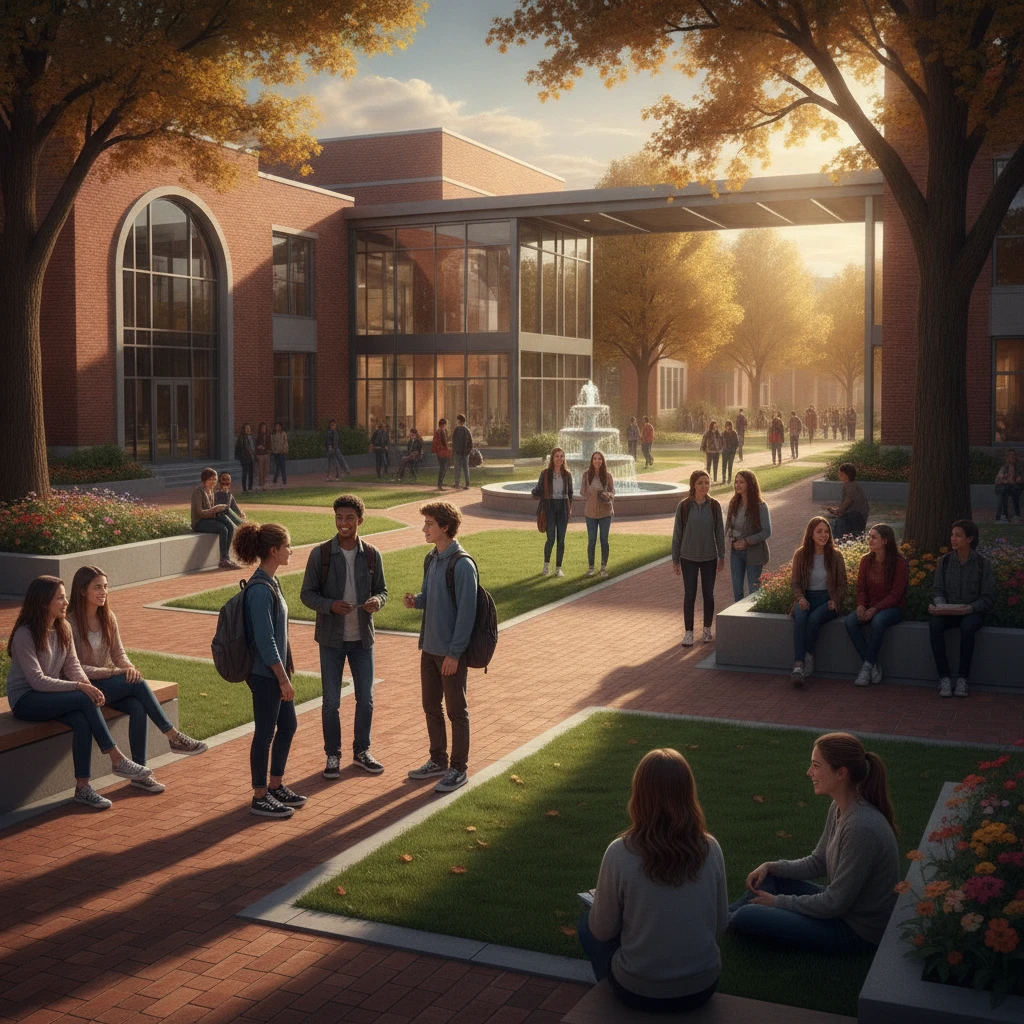
Right now, in 2026, the facility stands as a beacon of modern regional education. The integration of high-speed internet, smart boards, and digital collaboration tools means that students in this remote area receive the exact same quality of information as those in the middle of Sydney. The architecture of the campus has been updated to include collaborative learning spaces, moving away from the old rows-of-desks layout. The modern state of the school reflects a perfect balance between honoring its rugged, historical roots and embracing the absolute cutting edge of educational methodology.
The Science of Teen Learning
Cognitive Development in Teenage Years
Let’s talk about the actual science behind how teenagers learn. During adolescence, the human brain undergoes a massive rewiring process, specifically in the prefrontal cortex, which handles decision-making, social behavior, and complex planning. Because this area is still developing, teenagers often rely more on the amygdala, the emotional center of the brain. The educational framework utilized here actively acknowledges this biological reality. Instead of punishing emotional responses, the staff is trained to channel that energy into passionate project work and collaborative tasks. They understand that a teenager’s attention span and motivation are deeply tied to their emotional state and peer relationships.
Pedagogical Frameworks Explained
The teaching strategies, or pedagogical frameworks, are designed around “Project-Based Learning” (PBL) and “Differentiated Instruction.” Simply put, PBL means students learn by actively engaging in real-world and personally meaningful projects. Differentiated Instruction means the teachers adapt their methods to fit the individual learning style of each student, rather than forcing everyone to learn exactly the same way. It is a highly effective scientific approach to education.
- Multi-Sensory Input: Research shows that combining visual, auditory, and kinesthetic learning increases memory retention by up to 45%.
- Circadian Rhythms: Teenagers naturally have delayed sleep phases. Acknowledging this, flexible morning routines help maximize peak cognitive hours later in the day.
- Peer-to-Peer Teaching: Studies indicate that when students explain concepts to each other, both the tutor and the listener show higher comprehension scores on subsequent testing.
- Frequent Low-Stakes Testing: Instead of massive, anxiety-inducing final exams, regular small quizzes help solidify knowledge through the psychological spacing effect.
A 7-Step Action Plan for New Families
If you are planning to enroll your child or simply want to maximize their experience, you need a solid strategy. Here is a direct, step-by-step guide to navigating the entire process.
Step 1: Navigating the Enrollment Process
Do not leave paperwork for the last minute. Gather all necessary identification, previous school records, and medical histories. Call the main office and schedule an in-person tour. Walking the grounds physically helps lower the anxiety of the unknown for both you and your child.
Step 2: Preparing for the First Day
The night before should be entirely stress-free. Lay out the required clothing, pack the bag, and double-check the timetable. Have a casual chat with your teen about their expectations, and remind them that everyone else is just as nervous as they are on day one.
Step 3: Engaging with Extracurriculars
Within the first two weeks, strongly encourage your child to join at least one club or sport. This is the absolute fastest way to build a friend group. Whether it is drama, coding, or athletics, shared interests forge strong social bonds quickly.
Step 4: Establishing a Homework Routine
Set a specific time and place for study at home. The kitchen table works for some, while a quiet desk in a bedroom works for others. The key is consistency. Make sure they have a comfortable chair and strong lighting to prevent physical fatigue.
Step 5: Connecting with Teachers
Attend the parent-teacher introductory evenings without fail. Establish a friendly line of communication via email. When teachers know you are an engaged parent, they are far more likely to provide quick, informal updates on your child’s progress.
Step 6: Utilizing Counseling and Support
Make sure your teenager knows exactly where the school counselor’s office is located. Normalize the idea of asking for mental health support. If they feel overwhelmed by exams or social drama, they need to know it is perfectly fine to seek professional advice on campus.
Step 7: Planning for Post-Graduation Early
By year 10, start having casual conversations about life after high school. Utilize the career advisory services available on campus. They have excellent resources for university pathways, vocational training, and immediate workforce entry. Early planning reduces senior-year panic drastically.
Separating Myths from Reality
There is always a lot of gossip when it comes to education. Let’s clear up some of the most common misunderstandings.
Myth: Regional public schools lack the funding and resources of city private schools.
Reality: Thanks to massive community backing, specialized government grants, and industry partnerships, schools in this area often boast incredibly modern tech labs and highly funded vocational programs.
Myth: The curriculum is entirely focused on academic scores.
Reality: There is a massive emphasis on holistic development, meaning mental health, social skills, and practical life skills are given just as much weight as algebra or history.
Myth: Teachers in remote areas are disconnected from modern educational trends.
Reality: Educators here undergo rigorous, continuous professional development. In fact, many choose regional postings specifically because it allows for closer, more impactful relationships with their students compared to overcrowded city facilities.
Frequently Asked Questions & Final Thoughts
What is the uniform policy like?
The dress code is strictly enforced but designed for comfort, considering the harsh local climate. Students are expected to wear specific school colors, ensuring a sense of equality and community.
How does the administration handle bullying?
They operate on a zero-tolerance framework with a strong emphasis on restorative justice. Conflict resolution involves counselors, parents, and peer mediators to ensure long-term behavioral changes.
Are there competitive sports teams available?
Absolutely. The campus fields multiple teams in regional competitions, including football, netball, and track, traveling frequently to compete against other districts.
What core subjects are mandatory?
English, Mathematics, and Sciences are compulsory up to a certain year level, alongside mandatory physical education and basic humanities modules.
Can international or out-of-zone students apply?
Yes, though priority is always given to local catchment residents. Out-of-zone enrollments are handled on a case-by-case basis depending on overall capacity.
Is there a cafeteria on campus?
Yes, there is a fully functioning canteen that provides hot, nutritious meals. They have recently updated the menu to include plenty of healthy, brain-boosting options.
How do parents stay updated on daily events?
The school utilizes a dedicated parent portal app and regular email newsletters, ensuring you are never out of the loop regarding upcoming exams or events.
What are the standard school hours?
Classes generally run from just before 9:00 AM until roughly 3:15 PM, standard for the region, though some senior classes may have varied timetables.
At the end of the day, securing a solid education for your teenager is about finding an environment that genuinely cares about their personal and intellectual growth. From its deep historical roots to its modern, scientifically backed teaching methods, this campus clearly provides a comprehensive, supportive atmosphere. If you found this breakdown helpful, share it with other parents in your local network so everyone can make informed, confident decisions for their children’s future!