
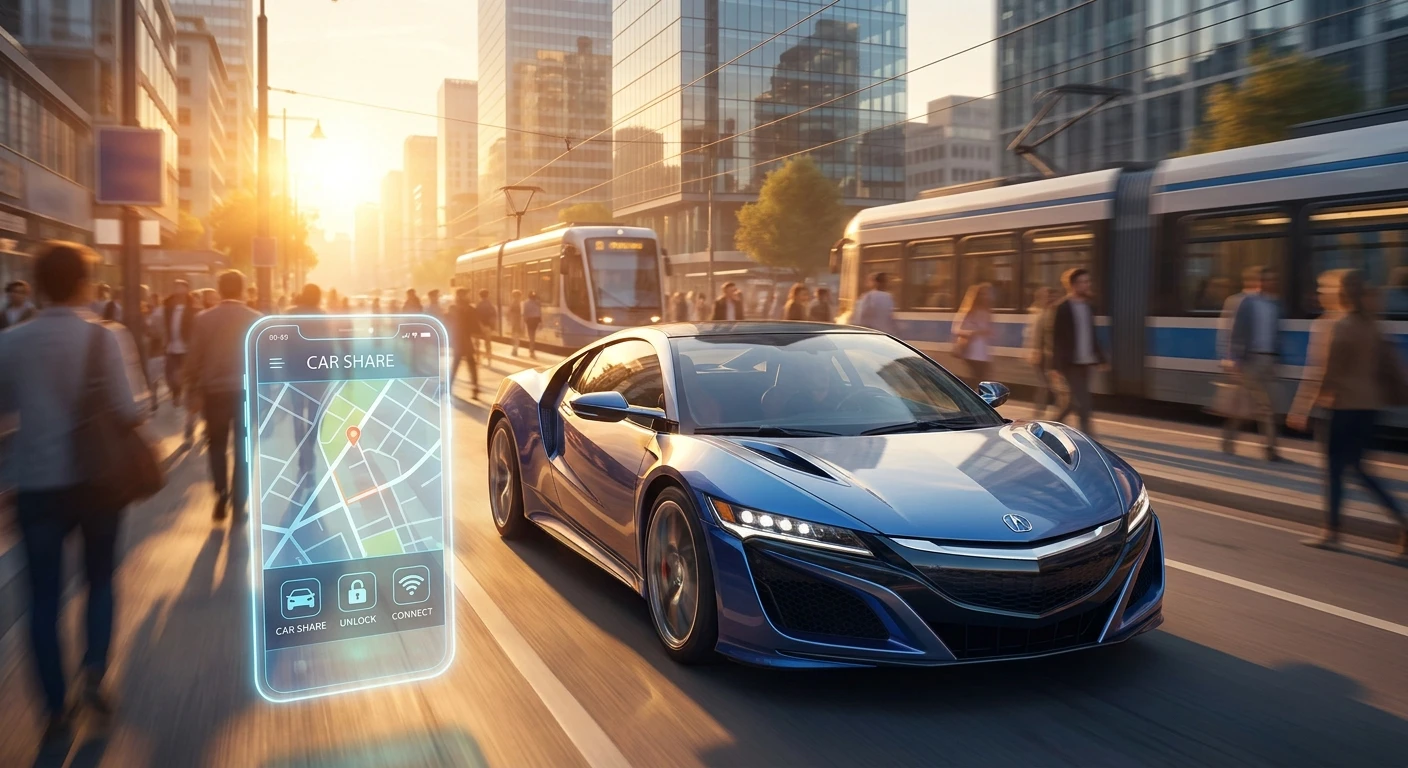
Why Uber Carshare Is Changing How We Drive
Listen, if you are tired of paying massive fees for traditional vehicle rentals, you absolutely need to hear about how uber carshare completely flipped the script on urban mobility. I actually tried this service recently, and honestly, the convenience blew my mind. Just a few months ago, I was grabbing a flat white at a busy coffee shop near Zoloti Vorota in Kyiv. I sat by the window watching endless rows of parked cars lining the historic streets, literally doing nothing but gathering dust and bird droppings. Most cars sit unused for over 90 percent of their lifespan. That is a staggering waste of resources, especially when so many people are desperately looking for a quick set of wheels for a weekend getaway or a bulky grocery run.
The core concept is remarkably simple yet highly effective: monetize idle vehicles while giving neighbors instant access to transport. You essentially bypass the massive, slow-moving rental corporations. You do not have to wait in agonizing lines at an airport desk, fill out stacks of paper forms, or deal with aggressive upselling tactics from a tired sales rep. Instead, you just pull out your smartphone, tap a few buttons, and you are ready to drive. Since we are well into 2026, the technology backing these peer-to-peer systems has become insanely smooth, making the whole process feel just like borrowing a ride from a trusted friend, minus the awkwardness.
The Mechanics of Peer-to-Peer Rentals
So, how exactly does this whole ecosystem function? When you open the application, you are instantly greeted with a map of your immediate neighborhood, populated with various vehicles available for rent. You might see a compact hybrid parked right on your block, or maybe a heavy-duty pickup truck a few streets down. The platform acts as the highly secure middleman between the person who owns the vehicle and the person who desperately needs to drive it. They handle the complex logistics—like background checks, seamless payment processing, and comprehensive insurance coverage—so neither party has to stress about the heavy lifting.
Let me break down the stark differences between this approach and the old way of doing things, because the contrast is genuinely huge.
| Feature Comparison | Traditional Rental Company | Peer-to-Peer Application |
|---|---|---|
| Booking Speed | Extremely slow, manual paperwork, desk queues | Instant verification and booking via smartphone app |
| Location Convenience | Usually restricted to distant airports or industrial hubs | Right on your local street corner or apartment block |
| Pricing Flexibility | Rigid daily rates, hidden fees for extra hours | Highly flexible hourly options tailored to your exact trip |
The value proposition here is brilliant because it perfectly serves two distinct groups of people. Take my buddy Max, for example. He works remotely and rarely uses his sleek Honda Civic during the week. By listing it on the platform, he pulls in a few hundred extra bucks every month to cover his insurance and maintenance costs. On the flip side, you have someone like Sarah, a freelance photographer who lives in the city center. She does not want the financial burden of owning a car, but she frequently needs to haul lighting equipment to remote photo shoots. She just grabs Max’s car for four hours, does her shoot, and drops it back. Everyone wins.
Here are the top reasons why this alternative completely beats traditional options:
- Zero Paperwork Friction: Once you are verified in the system, you never have to sign another physical contract again. Everything is handled digitally.
- Hyper-Local Availability: You do not need to take a train to an airport just to pick up a rental. The wheels you need are often walking distance from your front door.
- Incredible Vehicle Variety: You are not stuck with generic, white fleet sedans. You can rent a convertible for a date, a van for moving day, or a rugged 4×4 for a camping trip.
Origins of Peer-to-Peer Car Sharing
To truly appreciate how good we have it now, you have to look back at how this whole concept started. A decade ago, the idea of tossing your car keys to a complete stranger you met on the internet sounded like pure madness. The early pioneers in this space faced a massive uphill battle regarding trust and insurance. Early startups tried to facilitate community sharing, but they lacked the necessary technological infrastructure to make it secure. People were literally hiding physical keys under tires or inside fake rocks, hoping the renter would actually return the car. It was chaotic, risky, and largely unregulated.
The Evolution of Mobility Platforms
Things shifted dramatically when major tech players started acquiring smaller local startups. In Australia, a massive brand called Car Next Door was a trailblazer in community vehicle sharing. When they were eventually bought out and rebranded, the global mobility landscape experienced a massive shockwave. The parent company injected billions of dollars into refining the software, negotiating bulletproof insurance policies with major underwriters, and marketing the concept to the mainstream public. Suddenly, it was not just a quirky thing for tech nerds; it became a legitimate, reliable mode of urban transportation. The user interface was polished, customer support became a priority, and the hardware used to unlock the cars got a serious upgrade.
Modern State of Peer Rentals
Fast forward to 2026, and the ecosystem is virtually flawless. The concept of owning a private vehicle in a dense urban environment is rapidly becoming a thing of the past for many younger professionals. Cities are getting more crowded, parking spaces are incredibly expensive, and the cost of living continues to climb. Peer-to-peer mobility networks have stepped in to fill this gap perfectly. The platform is now integrated with smart city infrastructure, and local governments are actually encouraging its use because it dramatically reduces the number of vehicles clogging up the streets. It is an environmentally friendly, economically sound solution that just makes logical sense.
Telematics and Instant Keys
You might be wondering how the handoff actually works without two people having to meet awkwardly in a parking lot. The answer lies in advanced telematics. Owners install a small, highly sophisticated electronic lockbox inside or on the vehicle. This device connects directly to the vehicle’s onboard diagnostics and communicates with the centralized server via cellular networks. When a renter is approved and standing next to the car, they hit a button on their phone. A secure signal is sent from the server to the lockbox, instantly releasing the physical keys. It feels like magic, but it is just incredibly solid engineering working quietly behind the scenes.
The Algorithm Behind the Match
The backend of the platform is a marvel of modern data science. It does not just randomly show you cars; it calculates thousands of variables in milliseconds to present the best possible options. It looks at your previous rental history, your current location, the time of day, predicted traffic patterns, and even local weather conditions to suggest the right type of vehicle. The dynamic pricing model ensures that vehicle owners are compensated fairly during peak demand times, while renters can score massive discounts during off-peak hours.
Here are some fascinating technical facts about the system:
- The entire keyless entry sequence operates with a latency of under 1.5 seconds, ensuring you are never left standing in the rain waiting for the door to unlock.
- The electronic lockboxes utilize highly optimized Bluetooth Low Energy (BLE) protocols, meaning they draw virtually no power from the car’s main battery over long periods.
- Every single data packet sent between your smartphone, the servers, and the vehicle is protected by military-grade end-to-end encryption to prevent unauthorized access or hacking attempts.
- The dynamic mapping feature uses real-time GPS pinging to track mileage precisely, ensuring owners are paid for every single kilometer driven.
Day 1: Download and Verify
Getting started is completely painless. First, you download the app and create your basic profile. You will need to upload clear, well-lit photos of your driver’s license and snap a quick selfie to prove you are who you say you are. The automated verification system is blazing fast, utilizing advanced facial recognition and document scanning AI. Usually, you are approved and ready to browse the platform within just a few minutes, completely bypassing the frustrating waiting periods typical of old-school services.
Day 2: Browse Your Neighborhood
Once you are in, spend some time just playing around with the interactive map. Zoom in on your local streets and see what your neighbors are driving. You will likely be surprised by the sheer volume of available vehicles hiding in plain sight. Take note of the different vehicle categories—from fuel-efficient daily commuters to heavy-duty vans. Familiarizing yourself with the inventory now means you will know exactly what is available when you actually need a ride in a hurry.
Day 3: Analyze Pricing Tiers
Spend a few minutes looking at the cost structures. Unlike rigid daily rentals, these rates are highly modular. You pay a small fee for the time you have the car, plus a nominal charge for the distance you drive. Click on a few different cars to see how the pricing changes based on the make, model, and age of the vehicle. Keep in mind that premium cars command higher rates, while older, high-mileage hatchbacks are incredibly budget-friendly for quick grocery runs.
Day 4: Book Your First Ride
It is time to pull the trigger. Select a highly-rated car near you for a short, low-stakes trip—maybe a two-hour block to run some weekend errands. Select your start and end times carefully. The app will show you the total estimated cost upfront, so there are absolutely no nasty surprises or hidden fees later on. Once you confirm, the car is officially reserved for you, and nobody else can touch it during your block.
Day 5: The Pre-Trip Inspection
When you walk up to the car, the app guides you through a mandatory visual inspection. You will use your phone’s camera to take photos of all four sides of the vehicle, documenting any existing scratches, dents, or interior messes. Do not skip this step! It protects you from being blamed for damage caused by a previous driver. It only takes about sixty seconds, but it provides absolute peace of mind for both you and the owner.
Day 6: Hitting the Road
Follow the on-screen prompts to unlock the car via Bluetooth. Grab the keys from the secure lockbox, adjust your mirrors, connect your Spotify, and drive. Treat the car with the utmost respect, exactly as you would treat a good friend’s vehicle. Stick to the agreed mileage, do not smoke inside, and avoid eating messy foods. The better you treat the car, the better rating you will receive from the owner.
Day 7: Returning and Reviewing
When your reservation is up, return the car to the designated home zone. Make sure you leave it parked legally so the owner does not wake up to an expensive parking ticket. Place the keys back in the secure lockbox, lock the doors via the app, and take your final return photos. Finally, leave a highly honest, detailed review about your experience. Your feedback keeps the entire community ecosystem honest, safe, and reliable for the next person.
Separating Fact from Fiction
People still have a lot of weird misconceptions about peer-to-peer mobility. Let’s clear the air right now.
Myth: Renters will absolutely trash and disrespect your personal vehicle.
Reality: The platform uses a strict two-way rating system. Bad renters are permanently banned from the ecosystem very quickly. Plus, comprehensive insurance covers any potential damage, so owners are never left holding the bill for repairs.
Myth: It is way too expensive to use for long-distance road trips.
Reality: While hourly rates are great for quick errands, the platform automatically caps the daily rate, making it highly competitive with traditional rental agencies for weekend getaways or longer cross-country road trips.
Myth: You have to awkwardly meet strangers face-to-face to exchange keys.
Reality: Almost all vehicles on the network now use secure electronic lockboxes or smart telematics. The entire process is 100 percent contactless. You never actually have to speak to the owner if you don’t want to.
Frequently Asked Questions
Is the cost of fuel included?
Yes, fuel is generally included in the distance fee. You will find a special fuel card in the glovebox. If the tank gets low, you just use that card to fill it up at any major gas station. You never have to pay out of your own pocket for gas.
Who is responsible for toll roads?
The platform automatically tracks any toll roads you pass through using GPS. These minor charges are simply added to your final digital receipt after the trip ends. You do not need to carry physical cash or buy a personal toll tag.
What happens if I get into an accident?
Do not panic. Ensure everyone is physically safe, call emergency services if needed, and immediately report the incident through the app. The platform provides comprehensive insurance coverage, and their dedicated support team handles the entire claims process for you.
Can I cancel my booking if my plans change?
Absolutely. The platform offers incredibly flexible cancellation policies. If you cancel well in advance, you usually get a full refund. Just check the specific cancellation window on your reservation screen before booking.
Is there a strict mileage limit?
You can theoretically drive as far as you want, but you pay a per-kilometer fee for the distance traveled. Always calculate your estimated distance beforehand so you understand exactly what the final trip cost will be.
Am I allowed to bring my pets inside?
This entirely depends on the specific vehicle owner. Some cars are clearly marked as pet-friendly in the app, while others strictly forbid animals due to severe allergies. Always use the built-in filters to find a pet-friendly ride.
How old do I need to be to drive?
Generally, you must be at least 21 years old and possess a valid, full driver’s license. Some high-performance or luxury vehicles may require you to be 25 or older, and you must have a clean driving record free of major violations.
Are electric vehicles (EVs) available?
Yes! The number of EVs on the platform is exploding right now. It is a fantastic, low-pressure way to test drive a Tesla, Polestar, or Nissan Leaf for a weekend before committing to buying one yourself.
Conclusion
Navigating the complex world of urban transportation does not have to be a massive headache anymore. By leveraging the power of peer-to-peer networks, you get unprecedented flexibility, extreme convenience, and significant cost savings. Whether you have a car sitting idle that could be generating passive income, or you just need a reliable van to help a friend move couches this weekend, this platform delivers. Stop paying inflated prices at the rental counter. Download the app today, get verified in minutes, and take full control of your mobility!