
Escape to Sumba Indonesia Before Everyone Else Does
If you are looking for an untouched paradise, sumba indonesia is exactly what you need right now. Honestly, I am almost reluctant to share this secret with you. A friend from Kyiv and I were chatting over coffee near the Dnipro river last week, comparing our recent winter getaways. While everyone from Ukraine seems to automatically book tickets to Bali or Thailand, we wanted something raw and completely different. I told him about my recent trip to Sumba, and the sheer contrast between the bustling, chilly streets of Kyiv and the silent, massive savannas of this island absolutely blew his mind. This place is the wilder, far more authentic sibling of the famous tourist hubs in Southeast Asia.
You get rugged landscapes, ancient traditions, and absolutely empty beaches that stretch for miles. As we navigate through 2026, travel is shifting. People are tired of crowded beach clubs and overpriced avocado toast. They want real experiences. Sumba gives you that unfiltered reality. It is a place where horses run free along the coastline, and indigenous villages still practice rituals that date back centuries. You can actually hear yourself think here. So, grab a coffee, sit back, and I will tell you exactly why you need to pack your bags for this incredible destination immediately. I promise you will not regret making this journey.
Read also: Why You Need to Visit south sydney Right Now; The Ultimate Style Guide to genral pants.
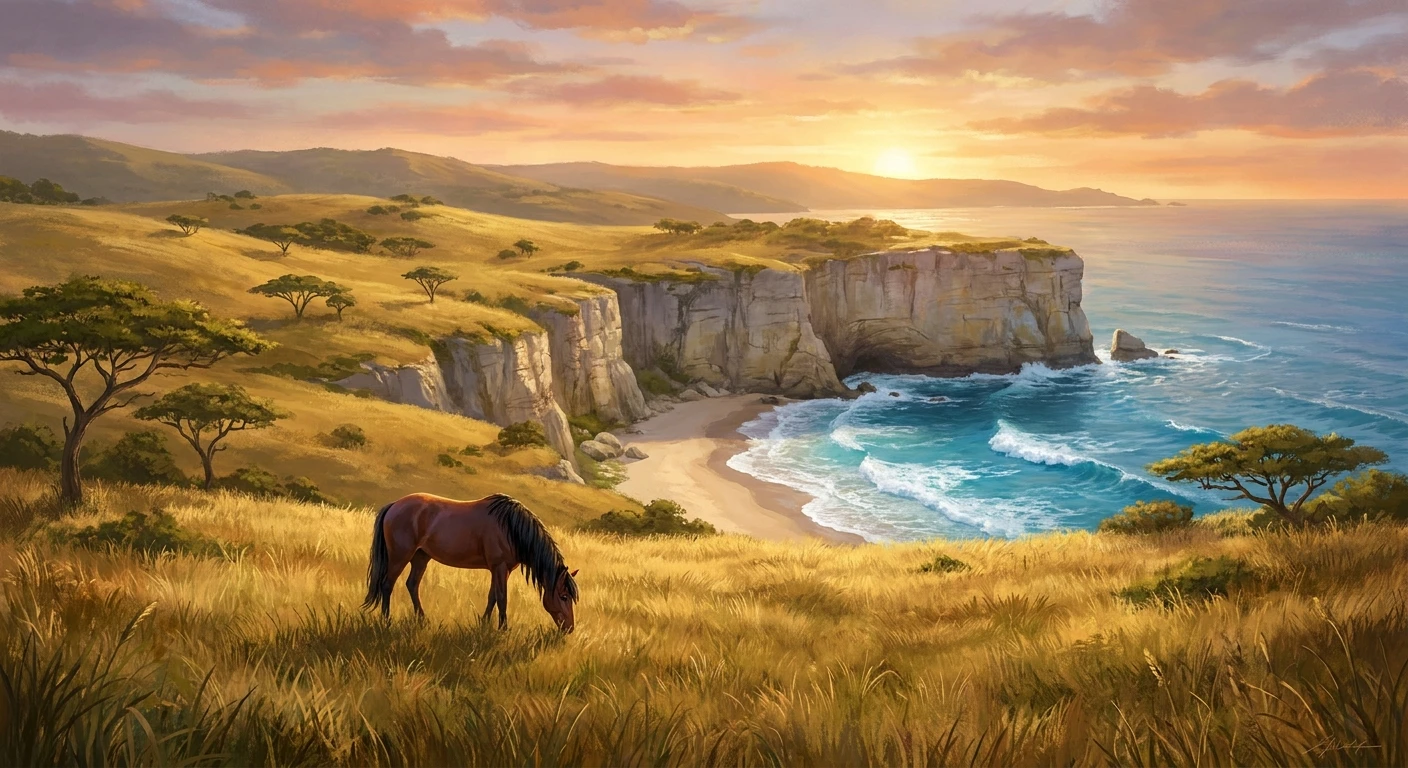
The core appeal of this island lies in its striking balance between raw nature and deep, vibrant culture. You get an immense value proposition here that you simply cannot find on neighboring islands. For instance, you can spend the morning hiking to a hidden waterfall like Tanggedu, which looks like a miniature Grand Canyon with crystal-clear turquoise water carving through limestone. Then, by the afternoon, you can be lounging on Mandorak Beach, entirely alone, watching the massive Indian Ocean waves crash against dramatic jagged cliffs. There are zero crowds to ruin your photos, your peace of mind, or your connection with nature.
To give you a clearer picture of how it stacks up against the usual suspects, check out this quick comparison:
| Destination | Overall Vibe | Crowd Level & Cost |
|---|---|---|
| Sumba | Wild, rugged, culturally rich, untouched nature, ancient villages | Extremely Low crowds, very affordable local goods |
| Bali | Commercial, highly developed, party scenes and spiritual retreats | Extremely High crowds, premium tourist pricing |
| Lombok | Surf culture, developing infrastructure, volcanic landscapes | Medium crowds, moderate tourist pricing |
You might be wondering what exactly makes it so special right now. Here are the top reasons you need to go:
- Incredible surf breaks that are completely empty. Unlike Uluwatu or Canggu, you are not fighting for waves with fifty other people. You get world-class barrels almost entirely to yourself, allowing for an incredibly peaceful session in the water.
- The fascinating Marapu religion. This is one of the few places left where authentic animist traditions heavily dictate daily life, from the towering architecture of their high-pitched bamboo houses to their elaborate, large-scale funeral rites involving whole communities.
- Spectacular Ikat weaving. The textiles produced here are basically museum-quality art pieces. You can visit the villages and watch the master artisans spend months tying, dyeing, and weaving complex patterns that tell the epic stories of their ancestors.
The Ancient Origins of Sumba
The history of this island is absolutely wild. Long before tourists even knew Southeast Asia existed as a holiday spot, Sumba was quietly developing its own fierce, isolated society. The origins trace back thousands of years to ancient Austronesian migrations. The people here developed a profound belief system known as Marapu. It is an animist religion focused intensely on ancestral spirits. They believe that the dead remain present and actively influence the lives of the living every single day. This is exactly why you see massive, intricately carved stone tombs right in the middle of their villages. The effort required to move these megalithic stones is mind-boggling, often involving hundreds of men dragging multi-ton blocks across the rugged terrain without any modern machinery.
Evolution of the Sandalwood Island
During the era of the global spice trade, foreign merchants started calling it the Sandalwood Island. The forests were incredibly rich with this fragrant, valuable wood, drawing the attention of Arab, Chinese, and much later, European merchants. However, despite the constant influx of foreign traders seeking wealth, the islanders fiercely protected their culture and independence. They actively traded their famous wild horses and sandalwood for gold and Chinese ceramics, but they rarely allowed outsiders to settle and alter their way of life. The Dutch colonial forces eventually claimed control, but their presence was mostly superficial compared to their heavy, culturally destructive hand in Java or Sumatra. The locals just kept doing their thing, maintaining their complex clan structures and engaging in frequent tribal skirmishes.
The Modern State of Sumba
Fast forward to today, and Sumba is experiencing a very unique kind of development. The local government and international investors are heavily pushing for sustainable eco-tourism rather than mass commercialization. You have ultra-luxury eco-resorts popping up, but they operate with strict rules to protect the local environment and actively financially support local communities through foundations. The island remains largely agricultural, with vast, rolling savannas supporting roaming herds of wild Sumba ponies and water buffalo. It is a brilliant example of a place desperately trying to balance necessary modernization with the fierce preservation of its ancient soul.
The Geology Behind the Rugged Beauty
Let us talk about the science of why this island looks the way it does. Geologically, Sumba is utterly fascinating and a bit of an anomaly. Unlike the volcanic islands that make up the vast majority of the Indonesian archipelago, Sumba is primarily a continental fragment. It actually broke off from the Australian continental plate millions of years ago. The terrain is heavily characterized by a process known as karstification. This is a scientific term for a landscape formed from the slow dissolution of soluble rocks, primarily limestone. When slightly acidic rainwater mixes with carbon dioxide over millennia, it creates a weak carbonic acid that slowly eats away at the limestone bedrock. This creates dramatic sea cliffs, deep hidden caves, and the spectacular Weekuri Lake—a massive, crystal-clear saltwater lagoon fed directly by the ocean through natural underground karst tunnels.
The Complex Technique of Ikat Weaving
On the technical side of the island’s culture, the production of Sumbanese Ikat is a highly complex chemical and physical process called resist dyeing. The artisans tightly bind specific areas of the raw cotton threads with durable palm leaves before dipping them into vats of natural dyes. The bound areas physically “resist” the dye, staying the original color. This requires intense mathematical precision to ensure the final woven pattern aligns perfectly.
Here are some specific scientific and geographical facts about the island:
- Sumba sits directly in the Wallacea region, a fascinating biological transitional zone harboring a unique mix of Asian and Australasian flora and fauna.
- The climate is distinctively dry compared to the rest of the country, featuring an extended dry season caused by winds from the Australian desert, which creates its iconic golden savannas.
- The natural dyes for Ikat use complex chemical reactions; for instance, creating the deep, signature blue color requires actively fermenting local indigo leaves to extract the compound indigotin.
- Endemic species include the Sumba hornbill and the Sumba boobook owl, both thriving in the isolated, dry deciduous forests patches.
Day 1: Arrival in Tambolaka and Northwest Beaches
Fly into Tambolaka airport in the west. Grab a local driver or rent a sturdy dirt bike. Your first stop should absolutely be the beaches in the northwest. Hit up Pero Beach for an unbelievable, fiery sunset. The ocean waves here crash violently against the sharp coral reefs, creating a raw, incredibly powerful atmosphere. Have a simple, delicious dinner of freshly grilled fish at a local warung to cap off your first night.
Day 2: Exploring Weekuri Lake and Mandorak
Wake up early and head straight to Weekuri Lake before the sun gets too hot. The water is so clear you can see every single grain of sand at the bottom. It is highly saline, making you float effortlessly like you are in the Dead Sea. Right next door is Mandorak Beach, a tiny, picturesque cove wedged between two massive limestone cliffs. It feels like a secret pirate hideout.
Day 3: Journey to Ratenggaro Traditional Village
Drive south along the coast to Ratenggaro. This specific village is famous for having the highest sweeping bamboo roofs on the island, soaring over 15 meters into the sky to honor the spirits. You will see the giant megalithic tombs and locals casually riding their horses bareback along the nearby beach. Bring some small cash to buy handmade bone carvings directly from the local artisans.
Day 4: Central Sumba and the Wairinding Hill Savanna
Start your journey eastward across the island. Central Sumba quickly transforms into endless rolling hills. You must stop at Wairinding Hill. If you are here in the dry season, it looks like an endless golden desert of grass; in the wet season, it is exceptionally lush and green. It is the perfect place to sit, breathe, and take in the sheer scale of the landscape.
Day 5: Discovering the Secrets of East Sumba Ikat
Arrive in Waingapu, the bustling eastern hub. Dedicate this day exclusively to visiting the weaving villages like Prailiu. Watch the women work tirelessly on the heavy wooden backstrap looms. Buy a piece of Ikat directly from them. It is not cheap, but you are buying a piece of history that took months of manual, highly skilled labor to create.
Day 6: Chasing Waterfalls at Tanggedu and Waimarang
East Sumba hides incredible, refreshing waterfalls. Tanggedu is often called the Twin Canyon waterfall, with water carving deeply through unique, smooth rock formations. It requires a bit of a sweaty trek in the sun, so wear good hiking shoes. Later, cool off in the natural blue pool of Waimarang waterfall, which is completely enclosed by circular rock walls.
Day 7: Relaxing at Walakiri Beach and Departure
Spend your final evening winding down at Walakiri Beach. This spot is famous for its bizarre, dancing mangrove trees. When the tide goes out at sunset, the twisted silhouettes of these trees against the glowing pink and orange sky create a perfect, unforgettable view. Enjoy your last coconut and fly out from Waingapu airport the next morning.
Myth: The island is basically just another Bali waiting to happen.
Reality: It is incredibly vast, deeply traditional, and completely lacks the massive tourism infrastructure of Bali. You will not find endless strips of western cafes, massive beach clubs, or gridlocked traffic here. The vibe is entirely different.
Myth: It is dangerous to travel there independently.
Reality: The locals are extremely welcoming, smiling, and hospitable. While the rural roads can be rough and you need to drive carefully, the actual crime rate against tourists is practically non-existent. Just respect local customs and dress modestly in villages.
Myth: You can only stay in ultra-luxury resorts like Nihi.
Reality: While world-class luxury certainly exists, there are plenty of budget-friendly homestays, simple guesthouses, and mid-range eco-lodges popping up all over both the western and eastern sides of the island, catering perfectly to backpackers and regular travelers.
Myth: The whole island is a lush, wet tropical jungle.
Reality: Due to its unique climate, large parts of the landscape actually consist of dry, arid savannas and rolling hills, giving it a vibe much closer to an African safari than a typical dense tropical rainforest.
Is Sumba safe for tourists?
Yes, it is very safe. Locals are incredibly friendly and eager to help lost travelers. Just exercise normal travel common sense and deeply respect their sacred cultural sites.
What is the best time to visit?
The dry season from May to October is perfect for clear blue skies and easily accessible dirt roads. If you prefer lush green landscapes, visit between November and April.
How do I get there?
You can easily take a short domestic flight from Bali (Denpasar) to either Tambolaka in the West or Waingapu in the East.
Do I need malaria pills?
Malaria is present in certain rural areas. Consult your doctor before your trip, use heavy mosquito repellent, and always sleep under a net.
Can I surf there?
Absolutely. The western and southern coasts have some of the best, most powerful, and most uncrowded surf breaks in all of Indonesia.
Are credit cards widely accepted?
No. You need to carry plenty of cash (Indonesian Rupiah). ATMs are really only reliable in the main towns like Tambolaka and Waingapu.
Do they speak English?
English is rarely spoken outside of major hotels or tourist hubs. Learn a few basic phrases in Bahasa Indonesia; it goes a very long way with the locals.
Is it suitable for families?
Yes, for adventurous families. Keep in mind the long driving distances between sights and the very basic medical facilities outside the main towns.
To wrap this up, if you want an adventure that feels genuinely wild and untouched, this is your undeniable sign. As 2026 rolls on, places this raw are becoming incredibly rare on our planet. The vibrant culture, the empty waves, and the sweeping savannas are calling your name. Stop overthinking your next vacation. Book your flight to Sumba, pack a sturdy pair of shoes, and get ready for the trip of a lifetime!