The Phenomenon of Mozzarella Sticks Maccas
Whenever the craving for deep-fried, gooey goodness hits, tracking down Mozzarella Sticks Maccas style becomes the ultimate mission for fast-food aficionados. The mere mention of these golden, breaded batons of cheese instantly evokes images of perfectly melted mozzarella stretching endlessly as you take that first satisfying bite. McDonald’s, affectionately known as Maccas in Australia and beyond, has built a formidable reputation for delivering consistent, quick, and comforting food. Incorporating a wildly popular appetizer like breaded cheese sticks into their menu rotation was a masterstroke of fast-food engineering. This item bridges the gap between a quick savory snack and a substantial side dish, offering a completely different textural experience compared to standard french fries or chicken nuggets. The crunchy outer shell creates a barrier that locks in the steam and heat, gently coaxing the dense cheese inside into a molten state of perfection. Fans meticulously track the availability of these items because they frequently appear as limited-time offers, turning their arrival into a highly anticipated culinary event. Exploring the mechanics, nutritional profile, and cultural weight of these cheese sticks reveals exactly why they maintain such a loyal, dedicated following among drive-thru patrons everywhere.
Understanding the Appeal and Nutritional Profile
Analyzing the core benefits and potential drawbacks of choosing a dairy-based fried side dish requires looking closely at both the sensory experience and the dietary facts. The primary value proposition of this snack is twofold: instant sensory satisfaction and unmatched textural contrast. Unlike a hamburger that blends multiple soft textures, a properly prepared cheese stick delivers a sharp crunch followed immediately by a rich, creamy interior. This provides a highly satisfying mouthfeel that triggers positive psychological responses associated with comfort food. Furthermore, these snacks serve as an excellent vehicle for dipping sauces, absorbing tangy or spicy flavors while providing a neutral, savory base. However, the heavy reliance on deep-frying and processed dairy means they pack a significant caloric punch, heavily weighted toward saturated fats and sodium.
Read also: KFC Newtown; Best kfc july Summer Deals; In N Out Sydney: The Ultimate Guide.
| Component | Flavor Contribution | Nutritional Impact |
|---|---|---|
| Crispy Breading | Toasted, earthy notes with a savory crunch | High in simple carbohydrates and absorbed frying oils |
| Mozzarella Core | Mild, milky, and slightly salty | Provides moderate protein but high saturated fat |
| Frying Oil Blend | Adds richness and a distinct fast-food aroma | Contributes heavily to overall caloric density |
To maximize the enjoyment of this snack, enthusiasts have developed specific strategies. Here are the top ways to elevate the experience:
- Optimize the Temperature: Consume them exactly three to four minutes after they exit the fryer. Eating them too soon results in a burned palate, while waiting too long causes the cheese to solidify into a rubbery block.
- Sauce Synergy: Always pair them with a highly acidic or spicy sauce, such as marinara or sweet chili. The acid cuts through the heavy fat of the cheese and the oil, creating a balanced flavor profile.
- Strategic Pairing: Order them alongside a lighter, highly carbonated beverage. The carbonation cleanses the palate between bites, preventing palate fatigue from the heavy dairy.
These tactical approaches ensure that every order delivers the maximum possible satisfaction, justifying the caloric investment.
Fast Food Origins
The concept of breading and frying cheese dates back centuries, with roots in medieval European cooking. However, the specific tubular shape we recognize today gained massive popularity in the United States during the 1970s. Bowling alleys, sports bars, and casual dining restaurants sought appetizers that were easy to freeze in bulk, quick to cook, and highly shareable. Mozzarella, with its mild flavor and excellent melting properties, proved to be the ideal candidate. The dish rapidly transitioned from sit-down restaurants to the broader fast-food market as supply chains modernized and flash-freezing technology allowed for mass distribution without quality degradation.
Evolution of the Maccas Menu
McDonald’s expansion into non-traditional side dishes has always been a calculated process. The introduction of cheese sticks to the Maccas ecosystem often coincides with regional promotions or seasonal campaigns. In Australia, they are frequently tied to the popular “El Maco” promotion, which brings a Mexican-inspired twist to the menu. During these promotional windows, the standard fry fryers are carefully managed to accommodate the specific cooking times and temperatures required to brown the breading without causing the cheese to erupt into the oil. This delicate balancing act requires immense logistical coordination across thousands of franchise locations, ensuring that a customer in Sydney receives the exact same quality as a customer in Perth.
The Modern State of Cheese Sticks
Today, the availability of these breaded delights remains highly cyclical. Fast-food economics dictate that keeping a complex item on the permanent menu can slow down kitchen operations and increase waste. By treating them as a limited-time offer, Maccas generates artificial scarcity, which drives massive spikes in customer foot traffic and social media engagement. Fans actively petition for their permanent return, organizing online campaigns and sharing their excitement whenever rumors of a menu update begin to circulate. This cyclical nature has cemented the snack as a highly coveted prize for fast-food lovers.
The Thermodynamics of Melting Mozzarella
Achieving the perfect consistency in a deep-fried cheese stick is a marvel of culinary physics and dairy chemistry. Mozzarella is a pasta filata, or “spun paste” cheese. During its creation, the cheese curds are heated and stretched, which aligns the casein protein molecules into long, fibrous strands. When the cheese cools, it forms a dense, springy network. As the deep fryer applies intense heat to the frozen stick, thermal energy penetrates the breading. When the internal temperature reaches approximately 130 to 140 degrees Fahrenheit, the fat trapped between the protein fibers begins to liquefy. The casein proteins relax and slide past one another, resulting in the famous, highly photogenic stretch. If the temperature exceeds 160 degrees, the protein matrix collapses entirely, separating the fat from the water and turning the interior into a greasy liquid.
Achieving the Perfect Maillard Reaction
The exterior crunch relies entirely on the Maillard reaction, a complex chemical process between amino acids and reducing sugars that occurs when food is subjected to high heat. The specific blend of wheat flour, starches, and seasonings in the breading is engineered to brown rapidly in the standardized vegetable oil blend used in the fryers. This reaction not only produces the golden-brown color but also generates hundreds of new flavor compounds that emit the signature savory aroma.
- pH Balance: The stretchiness of the cheese heavily depends on maintaining a pH level between 5.0 and 5.4 during the manufacturing process.
- Moisture Content: Low-moisture part-skim mozzarella is exclusively used because fresh mozzarella contains too much water and would turn into steam, exploding the breading.
- Calcium Bonds: The removal of specific calcium bonds during the cheese-making process prevents the cheese from crumbling when heated.
- Flash Freezing: The sticks are flash-frozen at the factory to create a thermal delay, allowing the breading to cook fully before the cheese turns to liquid.
- Breading Adhesion: A specialized batter wash acts as a molecular glue, preventing the crumb coating from flaking off in the turbulent oil of the deep fryer.
Step 1: Timing the Run
Executing a flawless snack mission requires precision. Visit the restaurant during off-peak hours, typically mid-afternoon or late evening. During peak lunch rushes, fryers are monopolized by standard fries, and specialized sides might be rushed or sit in the holding bay. Off-peak timing guarantees that your portion is cooked fresh to order.
Step 2: Securing the Asset
When placing your order, always request a fresh batch. While this may add three to four minutes to your wait time, it completely eliminates the risk of receiving a lukewarm, rubbery product. Polite communication with the crew guarantees the best possible outcome.
Step 3: Temperature Testing
Once you receive the carton, perform a quick tactile assessment. The exterior should be almost too hot to comfortably hold for more than a few seconds. If the box feels merely warm, the cheese inside has already begun to solidify, and the window for optimal consumption is rapidly closing.
Step 4: The Marinara Decision
Secure the correct dipping sauce. While traditional ketchup is readily available, request marinara or a spicy alternative if offered. Open the sauce tub immediately and place it on a stable surface. The cold sauce provides necessary thermal contrast to the boiling hot cheese.
Step 5: The Cheese Pull Execution
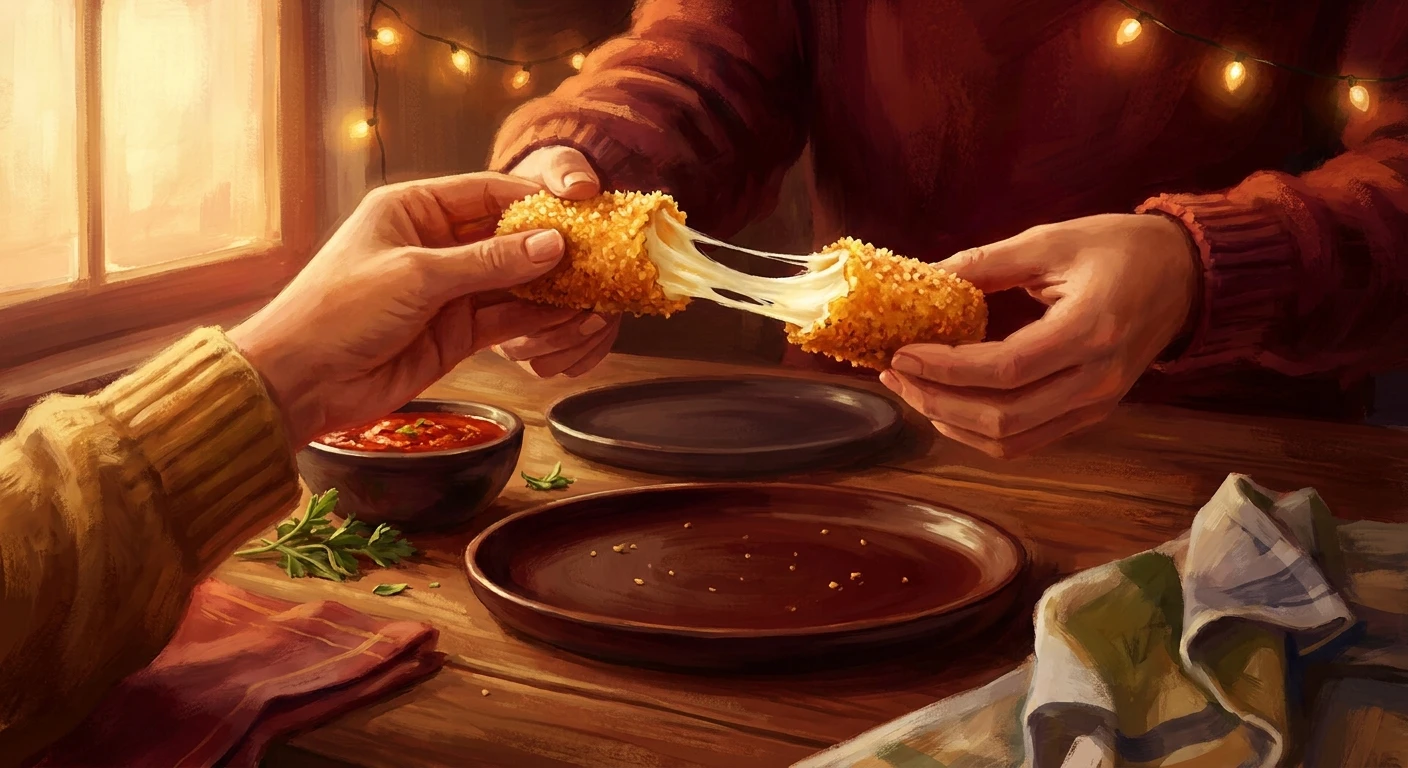
Grasp the stick firmly but gently by both ends. Bite exactly into the center and pull your hands slowly apart. A perfectly cooked stick will stretch for several inches before breaking. This visual confirmation indicates that the thermodynamics of the fryer were perfectly aligned.
Step 6: Pairing with Beverages
Follow every second bite with a sip of a cold, highly carbonated drink. Cola or sparkling water works best. The bubbles scrub the heavy dairy fats from your tongue, resetting your palate so that the final bite tastes just as vibrant and savory as the very first.
Step 7: Post-Snack Cleanup
The combination of frying oil and breadcrumbs inevitably leaves residue on your fingertips. Utilize the provided napkins immediately. Allowing the oil to cool on your skin makes it far more difficult to remove later, interfering with your steering wheel or smartphone screen.
Myths and Reality
Myth: The cheese used in fast-food sticks is entirely artificial plastic. Reality: They are made from real dairy, specifically low-moisture part-skim milk. The highly uniform texture is a result of mechanical processing and flash-freezing, not artificial polymers.
Myth: You can perfectly replicate the restaurant experience in a home microwave. Reality: Microwaves heat food by exciting water molecules, which turns the moisture inside the cheese to steam. This destroys the structural integrity of the breading, resulting in a soggy, burst mess rather than a crispy snack. An air fryer or conventional oven is mandatory for home heating.
Myth: They are a traditional, authentic Italian dish. Reality: While based on Italian ingredients, the breaded and deep-fried baton shape is entirely an invention of American casual dining culture from the late 20th century.
Myth: They are permanently available at all global locations. Reality: They are frequently used as seasonal or limited-time promotional items to drive short-term sales spikes and maintain menu novelty.
Are Mozzarella Sticks Maccas vegan?
No. They contain real dairy and are typically coated in a batter that may contain egg or dairy powders. Furthermore, they are often cooked in the same oil filtration systems as meat products.
Do they come with a dipping sauce?
Standard orders usually include one packet of dipping sauce. Marinara is the traditional pairing, but sweet and sour or barbecue sauces are frequently substituted depending on regional availability.
Are they gluten-free?
No. The thick, crispy exterior coating is made entirely from wheat-based breadcrumbs and flour batter, making them unsafe for anyone with celiac disease or gluten intolerance.
How many come in a standard portion?
A standard snack-sized portion typically contains three or four pieces, while a larger share box might contain up to eight. Portion sizes vary wildly depending on the specific country’s promotional guidelines.
Can you freeze and reheat them?
If you have leftovers, you can refrigerate them, but reheating must be done in an oven or air fryer at 375 degrees Fahrenheit for about five minutes to restore the exterior crunch. Microwaving is highly discouraged.
Why are they sometimes hollow inside?
If they are left in the deep fryer for just thirty seconds too long, the internal pressure from the steam causes the cheese to rupture the breading and leak out into the oil, leaving an empty, fried shell behind.
Are they available all year round?
In most regions, they are strictly a limited-time offer. Customers must monitor official social media channels or local restaurant signage to determine when the promotion is actively running.
Tracking down and enjoying this beloved side dish is a uniquely satisfying experience that combines culinary science with fast-food convenience. From the precise temperature control required to achieve the perfect cheese stretch to the savory crunch of the golden breading, these snacks offer a complex sensory journey hidden inside a simple cardboard box. Whether you are fueling up during a long midnight drive or supplementing your standard burger order, understanding the mechanics behind the meal simply makes it taste better. Keep a close eye on your local menu updates, and the next time the golden arches announce their return, you will be fully prepared to maximize your snacking experience. Get out there, check your local drive-thru, and secure your crispy, cheesy portion today!