
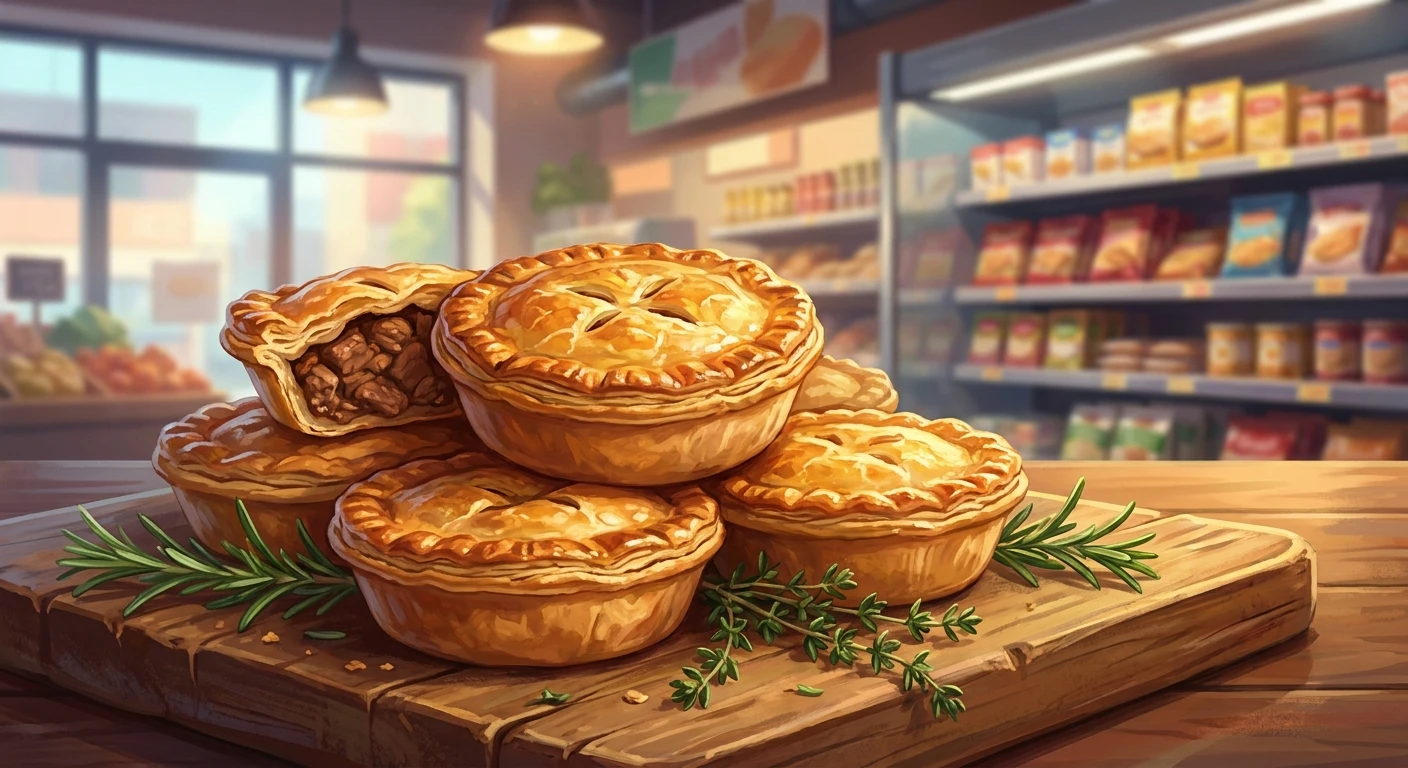
The Ultimate Guide to National Pies Woolworths Selection
The search for convenient yet high-quality comfort food often leads shoppers directly to the chilled sections of major supermarkets. When you are looking for a reliable, hearty meal, finding the perfect National Pies Woolworths stock is an absolute game changer. You know the drill: you are navigating the bustling grocery aisles, scanning the refrigerated sections, and looking for that authentic, bakery-quality pastry that does not require hours of preparation. These savory pastries have built a formidable reputation for delivering bakery-level quality straight from a retail shelf to your home oven. Whether you are stocking up for quick weekday dinners, planning a weekend gathering with friends, or simply craving the rich, warming flavors of slow-cooked meat wrapped in flaky golden dough, knowing exactly how to source, select, and prepare these items elevates the entire dining experience. The partnership between heritage bakers and nationwide supermarket logistics means consumers no longer have to compromise on taste for the sake of convenience. Every single bite offers a masterclass in traditional baking techniques combined with modern accessibility. The rich, savory aroma that fills the kitchen during the reheating process is universally recognized as a signal of pure comfort, making these products a staple in households across the country. Understanding the nuances of their availability, preparation, and storage is absolutely essential for maximizing their culinary potential.
Delving deeper into the specific advantages of these baked goods requires an understanding of their inherent value proposition. Shoppers consistently choose these pastries because they offer a perfect equilibrium of premium ingredients, robust flavor profiles, and unparalleled convenience. For example, the classic beef iteration utilizes high-grade, slow-cooked meat suspended in a rich, deeply savory gravy that resists soaking through the base layer of dough. Another stellar example is the chicken and cheese variety, which provides a creamy, luxurious alternative for poultry enthusiasts, proving that supermarket-sourced meals can possess genuinely gourmet qualities. The variety ensures that every palate is catered to without sacrificing the structural integrity of the bake.
Read also: Mozzarella Sticks Maccas: The Ultimate Fast Food Guide; Finding the Best Foundation for Mature Skin Australia; Guide to Finding the Best Instant Coffee.
| Pastry Variant | Core Ingredients | Ideal Condiment Pairing |
|---|---|---|
| Classic Spiced Beef | Slow-cooked minced beef, rich traditional gravy, black pepper | Tangy tomato sauce or caramelized onion relish |
| Chicken and Camembert | Shredded chicken breast, creamy cheese sauce, herbs | Sweet chili glaze or garlic aioli |
| Curried Scallop Specialty | Premium locally sourced scallops, mild aromatic curry base | Fresh lemon wedge and finely chopped parsley |
To ensure you are getting the absolute best product off the supermarket shelf, follow this systematic approach to selection:
- Inspect the packaging for complete structural integrity, ensuring there are no punctures or micro-tears in the plastic wrapping that could compromise the modified atmosphere inside.
- Check the use-by dates meticulously, prioritizing the items situated at the very back of the display fridge, as these typically boast the longest remaining shelf life and the freshest production batch.
- Assess the firmness of the product through the packaging; the dough should feel completely solid and chilled, with absolutely no signs of temperature abuse or partial thawing that might occur if left outside the cold chain.
By adhering to these strict selection criteria, you guarantee that the foundation of your meal is structurally sound and nutritionally optimal before it even reaches your shopping cart.
Origins of the Classic Pastry
The history of these beloved bakery items stretches back decades, originating from humble, family-operated butcher shops that sought to utilize premium cuts of meat in innovative, transportable formats. Originally crafted in small batches using traditional, labor-intensive methods, the primary goal was to provide hardworking locals with a dense, calorie-rich meal that could be easily consumed on the go. The original recipes relied heavily on locally milled flour, rich animal fats for the ultimate flaky crust, and a closely guarded blend of spices that provided a signature savory kick. Over time, as word-of-mouth spread, demand outpaced the production capabilities of singular storefronts, necessitating a shift toward broader distribution models to satisfy the growing public appetite.
Evolution of Supermarket Distribution
As consumer shopping habits shifted from daily visits to specialty stores toward weekly hauls at comprehensive supermarkets, heritage brands had to adapt their distribution strategies. The logistical hurdle of maintaining the delicate structural integrity of a raw or par-baked pastry over long distances was solved through the advent of advanced cold-chain technology. Supermarkets began investing heavily in sophisticated chilling infrastructure, allowing fragile items to be transported across the country without losing their bakery-fresh qualities. This era marked a significant turning point, transitioning a regional delicacy into a national staple accessible to millions of households simultaneously without degrading the core product.
Modern State of Bakery Aisles
Today, the chilled bakery aisle is a marvel of modern retail engineering. Automated inventory management systems track the real-time purchasing data of shoppers, ensuring that store managers can predict demand surges accurately, such as during major sporting finals or sudden drops in weather temperature. The seamless integration of production and retail means that the product you pick up has likely been transported under strict, continuous temperature monitoring. The modern layout of these aisles reflects a perfect synthesis of artisanal heritage recipes and hyper-efficient contemporary logistics, culminating in a pristine product that merely requires the application of heat to unlock its full, mouth-watering potential.
Lamination and Pastry Physics
The secret behind the irresistible, shatteringly crisp texture of these baked goods lies in the complex physics of dough lamination. This sophisticated culinary process involves repeatedly folding layers of solid fat, typically butter or a specialized shortening, into a lean flour-and-water dough. When subjected to the intense ambient heat of an oven, the water content trapped within these distinct layers of fat undergoes rapid vaporization. This sudden phase change from liquid to gas creates pockets of expanding steam that physically push the layers of dough apart. Concurrently, the fats melt and fry the delicate sheets of flour from the inside out, creating the characteristic flakiness that defines a truly premium product. The precision required to maintain these distinct layers before baking is exactly why the cold chain is so vital.
Thermal Dynamics of Reheating
Properly preparing these items at home is fundamentally an exercise in applied thermal dynamics. The objective is to penetrate the dense, highly insulated core of the meat filling with sufficient thermal energy to reach food-safe temperatures, all while preventing the delicate exterior from scorching or burning. Convection heating is the preferred method because the forced circulation of hot air accelerates the evaporation of surface moisture, promoting superior browning.
- Maillard Reaction: A chemical reaction between amino acids and reducing sugars that occurs at temperatures above 140 degrees Celsius, producing hundreds of distinct flavor compounds that make the crust taste roasted and complex.
- Starch Gelatinization: As the internal temperature of the filling reaches approximately 70 degrees Celsius, the starches in the gravy absorb surrounding liquid and swell, thickening the sauce to the perfect, non-runny consistency.
- Moisture Migration: Properly modulated oven temperatures prevent the moisture within the hot filling from migrating outward into the base dough, effectively mitigating the risk of the dreaded soggy bottom and keeping the base structurally sound.
To consistently achieve bakery-quality results in your own kitchen, follow this comprehensive, step-by-step preparation protocol.
Step 1: Locating the Stock at Your Local Store
Begin your journey by navigating to the designated chilled convenience section of the supermarket. These products are strategically placed away from the frozen goods, typically adjacent to fresh pasta, pre-made meals, and specialized cheeses. Keeping them chilled rather than frozen preserves the delicate cellular structure of the ingredients and ensures the pastry does not become brittle during retail display.
Step 2: Checking the Use-By Dates
Always prioritize freshness by thoroughly checking the stamped dates on the outer packaging. Retailers rotate stock regularly, placing the newest arrivals at the rear of the shelving units. Taking an extra few seconds to reach toward the back ensures you are securing the absolute freshest batch available for your meal, guaranteeing the highest quality flavor and texture.
Step 3: Proper Transport and Storage
Once selected, treat the package with the utmost care. Place it carefully at the very top of your grocery bags to prevent the heavy weight of canned goods or root vegetables from crushing the delicate pastry lids. Upon arriving home, immediately transfer the items to the coldest zone of your refrigerator to maintain an unbroken cold chain until you are absolutely ready to begin cooking.
Step 4: Preparation and Preheating
Preparation begins with adequately preheating your cooking appliance. Set your conventional oven to 180 degrees Celsius, or 160 degrees if utilizing a fan-forced convection setting. Allow the oven to cycle fully at least twice to ensure the internal ambient temperature is completely stable and evenly distributed before introducing the food, preventing uneven baking.
Step 5: Applying an Egg Wash Glaze
For an authentic, professional finish, apply a light glaze to the top crust before baking. Whisk a single egg yolk with a splash of full-cream milk and brush it evenly across the surface using a soft silicone pastry brush. This additional protein and fat layer significantly enhances the browning process, resulting in a visually stunning, glossy finish that mimics a professional bakery window.
Step 6: Precision Baking
Place the items directly onto a heavy-duty, dark metal baking tray lined with high-quality parchment paper. The dark metal absorbs and radiates heat effectively, ensuring the base cooks just as thoroughly as the top. Bake precisely according to the packaging instructions, usually around 25 to 30 minutes, until the internal temperature surpasses 75 degrees Celsius and the crust is visibly golden.
Step 7: Resting and Plating
Resist the immediate temptation to consume the meal straight from the oven. Allow the pastries to rest on a wire cooling rack for approximately five minutes. This critical resting period permits the superheated gravy to cool slightly and coagulate, preventing it from immediately spilling out upon the first bite, ensuring a clean, enjoyable eating experience from start to finish.
Myth: Microwaving yields the exact same results as conventional baking.
Reality: Microwave radiation aggressively boils the water molecules trapped deep inside the dough layers rather than applying dry ambient heat to the exterior. This process completely destroys the carefully crafted lamination, resulting in a universally rubbery, soggy, and fundamentally compromised texture that completely ruins the eating experience.
Myth: Supermarket pastries lack real, high-quality meat.
Reality: Reputable heritage brands strictly utilize regulated, high-grade local beef and poultry. The meat is carefully sourced, trimmed of excess fat, and slow-cooked to maximize tenderness and flavor, ensuring the protein content is both substantial and of incredibly premium quality.
Myth: You can only serve them entirely plain.
Reality: These robust pastries function beautifully as a versatile culinary blank canvas. They are frequently elevated by pairing them with traditional sides such as minted mushy peas, creamy mashed potatoes, rich red wine jus, or tangy artisanal fruit chutneys to create a complete, balanced, and highly sophisticated meal.
Myth: Freezing the product completely ruins the flavor profile.
Reality: While fresh is generally preferred, modern flash-freezing technology effectively locks in the freshness and nutritional value. Provided you thaw them slowly and correctly in the refrigerator overnight before baking, the degradation in texture or taste is practically imperceptible to the average consumer.
Are these pastries considered gluten-free?
Standard varieties are crafted using traditional wheat-based flours to achieve their signature flakiness and are therefore not gluten-free. Always check the specific packaging for specialized dietary ranges if you have specific nutritional requirements.
Can I freeze them immediately upon purchase?
Yes, you can safely transfer them directly to the freezer if you do not plan to consume them before the expiration date. Ensure the original plastic seal remains completely unbroken to prevent freezer burn.
How long do they typically take to bake from chilled?
When cooking from a chilled state in a fully preheated oven, they generally require between 25 and 30 minutes to achieve the perfect golden crust and a thoroughly safe internal temperature.
Which exact aisle are they usually located in?
You will almost always find them in the refrigerated ready-meals or chilled deli section, completely separate from the deep-freeze bakery items or raw meats.
Do they contain artificial chemical preservatives?
Premium brands prioritize natural ingredients and utilize advanced vacuum-sealing packaging techniques to naturally extend shelf life without relying on harsh artificial chemical preservatives.
What is the absolute best dipping sauce to use?
While highly subjective, a high-quality, slightly tart tomato sauce or a smoky barbecue relish provides the perfect acidic counterbalance to the rich, savory meat filling.
Are there dedicated vegetarian options available?
Many ranges now include excellent plant-based or vegetarian alternatives, utilizing hearty ingredients like roasted root vegetables, lentils, and rich cheese sauces to brilliantly mimic the traditional culinary experience.
Finding the ideal options during your routine shopping trip is a simple way to guarantee a delicious, satisfying meal with minimal effort. By understanding the optimal selection techniques, the fascinating science behind the perfect crust, and the precise steps for reheating, you can easily replicate a premium bakery experience right in your own kitchen. Next time you are doing your weekly groceries, grab a pack and experience the ultimate comfort food. Share your favorite flavors and topping combinations with us!