
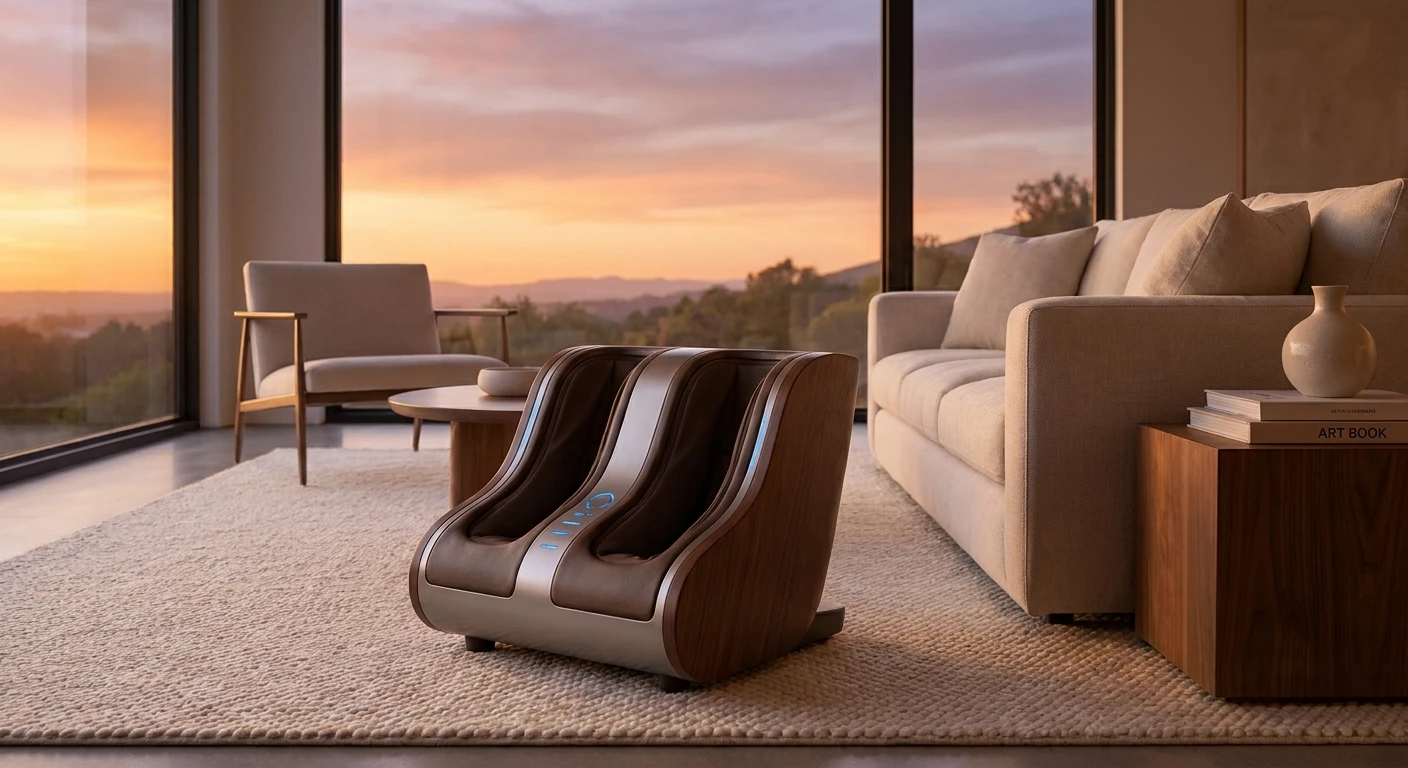
Why Using a Foot Massager Can Elevate Your Wellness Routine
Using a quality foot massager after a long day of standing isn’t just about temporary relief; it is a vital step toward long-term physical wellness. You know that heavy, aching feeling in your arches when you finally kick your shoes off? Imagine fixing that in fifteen minutes. Your feet carry the entire weight of your body, acting as the foundation for your posture, mobility, and overall alignment. Ignoring foot fatigue often leads to cascading issues, from tight calves to lower back pain. Investing time in targeted therapy helps interrupt this cycle.
Modern reflexology tools bring professional-grade tension relief straight to your living room. Whether you are an athlete recovering from an intense workout, a nurse working twelve-hour shifts, or simply someone trying to manage daily stress, giving your soles the attention they require pays massive dividends. Regular use of these devices stimulates nerve endings, boosts local blood flow, and provides profound relaxation for your entire body. We are going to break down exactly how these machines operate, the biological benefits they trigger, and how you can integrate targeted therapy into a manageable daily routine for maximum relief.
Read also: Guide to the Samimjan Azari Method; What Causes a Dent in Head? Symptoms and Treatments; Using Bonjela for Baby: A Complete Teething Relief Guide.
The core value proposition of an automated reflexology device lies in its ability to mimic human hands using mechanical nodes, air compression, and heat. Take, for example, someone suffering from plantar fasciitis. A daily mechanical massage stretches the fascia, reducing morning stiffness. Another example is someone with poor peripheral circulation; introducing heat and rolling pressure forces stagnant blood out and draws fresh, oxygenated blood into the extremities.
Here is how you can maximize the benefits of your device:
- Set the right temperature: Start with a gentle heat setting to warm up the muscles and increase tissue elasticity before applying deep pressure.
- Control the intensity: Begin on the lowest compression setting. Your feet are packed with sensitive nerve endings, and aggressive pressure right away can cause muscle guarding instead of relaxation.
- Time your sessions: Keep your treatments to 15-20 minutes. Overstimulation might leave your feet feeling bruised, defeating the purpose of the therapy.
Understanding how to leverage these different mechanisms allows you to tailor your recovery. You are not just pushing buttons; you are actively managing your biomechanical health. If your feet hurt, your knees compensate. When your knees compensate, your hips shift, and suddenly your lower back is screaming. A simple 15-minute daily habit acts as a preventative measure against this entire chain reaction.
Below is a breakdown comparing different mechanisms, their primary benefits, and ideal users.
| Mechanism Type | Primary Physical Benefit | Best Suited For |
|---|---|---|
| Shiatsu Kneading | Targets deep muscle knots and breaks down tight fascia | Athletes and people with high arches |
| Air Compression | Rhythmic squeezing improves blood flow and reduces swelling | Pregnant women and those sitting at desks |
| Percussion Vibration | Shakes loose surface tension and stimulates nerve endings | Neuropathy management and quick relief |
The Ancient Origins of Foot Therapy
People have understood the connection between foot health and overall vitality for thousands of years. Early evidence of foot manipulation dates back to ancient Egypt and China, where healers believed that specific points on the soles corresponded to different internal organs. These ancient practitioners used their thumbs, knuckles, and wooden sticks to apply localized pressure, aiming to clear energy blockages. This foundational concept laid the groundwork for what we now recognize as reflexology. The focus was entirely manual, relying heavily on the physical strength and anatomical knowledge of the practitioner. It was a respected healing art passed down through generations.
The Evolution of Mechanical Assistance
As society moved into the industrial age, innovators began looking for ways to replicate manual therapy without requiring a second person. By the early 20th century, the first primitive mechanical rollers appeared. These were usually simple wooden barrels with ridges that a person would roll their feet across while sitting. While basic, they offered genuine relief and proved that self-massage could be highly effective. Following the invention of small electric motors, the mid-20th century saw the introduction of vibrating water baths and motorized rumbling pads. These devices brought automated relief into the household, though they lacked the precise, targeted pressure of a trained human hand.
The Modern State of Smart Recovery
Today, the technology has advanced lightyears beyond simple wooden rollers and shaking plastic tubs. Current models incorporate sophisticated robotics, utilizing multi-directional shiatsu nodes, dynamic air compression bags, and infrared heating elements. Engineers design these machines to target specific anatomical zones—from the heel pad to the metatarsal heads—with incredible precision. Some premium units even feature Bluetooth connectivity and app-controlled customizable routines. We are now in an era where you can access clinical-grade recovery technology while sitting on your own couch, watching your favorite show, effectively bridging the gap between ancient healing concepts and modern engineering.
Understanding Biomechanical Stimulation
To fully grasp why these devices work so well, we need to look at the biomechanics of the human foot. The foot is a complex structure made of 26 bones, 30 joints, and over 100 muscles, tendons, and ligaments. A key component is the plantar fascia, a thick band of tissue running across the bottom of your foot. When this tissue becomes inflamed—a condition called plantar fasciitis—the pain can be absolutely debilitating. Mechanical kneading physically stretches this tissue. By applying rhythmic, deep-tissue pressure, the mechanical nodes create micro-movements in the fascia, breaking down adhesions and encouraging collagen repair. Think of it as gently pulling apart tangled fibers so they can align smoothly and function properly again.
Neurological and Circulatory Mechanisms
Beyond the muscles, the soles of your feet contain over 7,000 nerve endings. This makes them incredibly responsive to tactile stimulation. When these nerves are activated by vibration or rolling, they send rapid signals to the brain, which can actually override pain signals—a concept known in biology as the Gate Control Theory of Pain.
Here are some hard scientific facts about what happens during a session:
- Vasodilation: Applied heat and friction cause blood vessels to widen, increasing oxygen delivery to tired tissues.
- Endorphin release: Deep pressure stimulates the nervous system to release natural painkillers, lowering stress hormones like cortisol.
- Lymphatic drainage: Upward compression from air bladders helps push accumulated fluids out of the lower extremities, reducing edema (swelling).
- Myofascial release: Sustained pressure on trigger points forces muscle spindles to relax, instantly reducing acute cramping and spasms.
This powerful combination of mechanical stretching and neurological hacking makes targeted foot therapy an incredibly effective tool for daily recovery.
Day 1: The Gentle Introduction
Start your week by familiarizing yourself with your device. Use the lowest intensity setting with no heat for just ten minutes. Focus purely on how the nodes feel against your arches and heels, allowing your nervous system to adapt to the new physical stimuli without feeling overwhelmed.
Day 2: Introducing Warmth
On the second day, activate the heat function. Heat naturally increases tissue elasticity. Run a 15-minute session in the evening to help loosen tight tendons, relax stiff joints, and prepare your feet for a deeply restful night of sleep.
Day 3: Exploring Compression
If your machine features air compression, turn it on at the lowest level today. Compression gently squeezes the top and sides of the foot. This is fantastic for reducing the mild, uncomfortable swelling that accumulates after a full day of standing or walking.
Day 4: Deep Tissue Targeting
Now that your feet are accustomed to the machine, slightly increase the kneading speed or intensity. Spend 15 minutes specifically targeting the heel and the ball of the foot, which are the primary weight-bearing zones that carry the most mechanical stress.
Day 5: Contrast Therapy Integration
Combine your session with cold therapy. Roll your foot on a frozen water bottle for three minutes to drastically reduce inflammation, then immediately place your feet into the warmed machine for ten minutes. The rapid shift from cold to hot flushes out metabolic waste.
Day 6: The Morning Activation
Instead of an evening session, use the machine for five minutes immediately after waking up. A quick, vigorous vibration session stimulates blood flow and wakes up the sensory nerves, giving you a sharp, energized start to your morning.
Day 7: Full Recovery Mode
Combine all available features—heat, moderate compression, and shiatsu kneading—for a comprehensive 20-minute weekend recovery session. Sit back, practice deep breathing, and let the machine systematically work through all the accumulated tension of the past week.
Here are a few common misconceptions about foot recovery devices that need clearing up.
Myth: Harder pressure always equals better results.
Reality: Painful pressure causes your muscles to tense up to protect themselves. You want firm, comfortable pressure that encourages the muscles to release and relax, not fight back against the machine.
Myth: You should use the device for an hour straight.
Reality: Most machines have a 15 to 20-minute auto-shutoff for a reason. Overworking the small muscles in your feet can lead to bruising, tenderness, and increased inflammation.
Myth: Only athletes or people with diagnosed foot conditions need them.
Reality: Anyone who walks, stands, or even sits at a desk all day benefits from improved peripheral circulation and the profound stress-relieving effects of sole stimulation.
Myth: These devices can permanently cure structural foot deformities.
Reality: While they offer immense symptomatic relief from daily pain and stiffness, they cannot physically realign bone structures like bunions or fallen arches.
Can I use it every day?
Yes, daily use of 15-20 minutes is completely safe and highly beneficial for continuous muscle maintenance.
Does it help with neuropathy?
Gentle vibration and heat can stimulate nerves effectively, but always consult a doctor first before starting a routine.
Are they safe during pregnancy?
Many pregnant women find relief from swelling, but certain acupressure points can trigger contractions. Always ask your OBGYN.
Can I wear socks during a session?
Absolutely. Clean, thin cotton socks keep the machine hygienic and provide a comfortable, frictionless barrier.
Do they consume a lot of electricity?
No, most modern units are highly energy-efficient and cost merely pennies to operate on a daily basis.
How do I clean the inner lining?
Look for models with detachable, machine-washable fabric foot covers for simple and easy maintenance.
Will it fit large feet?
Most open-design models fit any foot size, while closed-toe units usually accommodate up to a men’s size 12 or 13.
Taking care of your foundation is non-negotiable for long-term health and mobility. The right routine will melt away stress, improve your circulation, and keep you moving comfortably day after day. Don’t wait for the pain to become unbearable—grab your ideal foot massager today and step into a much more relaxed life!