
Can Dogs Eat Pork Mince? The Ultimate Feeding Guide
If you are standing in the kitchen staring at a package of ground meat and asking yourself, can dogs eat pork mince, you are certainly not the only pet parent asking this question. Preparing fresh meals for our furry companions has become a massive trend, but picking the right protein source requires caution. You want to give your dog a delicious treat, yet you also want to avoid triggering severe digestive distress. The straightforward answer is yes, but it comes with a handful of strict conditions. Pork is often misunderstood in the canine nutrition world. While beef and chicken take the spotlight, pork can actually be an excellent alternative for dogs who suffer from common poultry allergies. However, ground pork presents a unique set of challenges primarily because of its fat content and how it is processed. Feeding your dog straight from the grocery store package without proper preparation or understanding of the meat’s nutritional makeup is a fast track to a vet visit. To safely incorporate this meat into your companion’s diet, you need to understand the nuances of fat percentages, the absolute necessity of thorough cooking, and the dangers of human seasonings. We are going to explore exactly how to prepare this protein, what cuts to look for, and how to safely transition your dog to this savory addition without upsetting their stomach.
Understanding the Benefits, Harms, and Proper Preparation
Pork mince is a highly debated topic among pet nutritionists, primarily because the quality and fat content vary wildly depending on what you buy. When chosen correctly, it is a fantastic source of amino acids. As noted by some experts, it can be a high-quality, digestible source of animal protein that helps build strong muscles and maintains a healthy coat. However, standard ground pork often contains a massive amount of hidden fat. Dogs possess a very different digestive system than humans. A sudden influx of dietary fat can trigger acute pancreatitis, a painful and potentially life-threatening inflammation of the pancreas. This is why many veterinarians advise that standard, high-fat pork is better suited as a small treat rather than a massive portion of their daily bowl.
Read also: Can Dogs Eat Eggs? A Complete Feeding Guide; Why You Have a Soapy Taste in Mouth & How to Fix It Fast; Using Bonjela for Baby: A Complete Teething Relief Guide.
To provide a clear picture of what you should be looking for at the butcher or grocery store, consult this breakdown of different ground pork variations:
| Type of Pork Mince | Fat Percentage | Safety for Dogs & Best Use |
|---|---|---|
| Extra Lean Mince | Under 5% Fat | Highly safe. Best for regular meal inclusion and dogs with sensitive stomachs. |
| Standard Mince | 10% – 15% Fat | Moderate risk. Only use as an occasional, small treat for highly active dogs. |
| High Fat / Sausage Mince | 20%+ Fat | Unsafe. High risk of pancreatitis and obesity. Avoid completely. |
When offering this meat, the value proposition lies in its rich nutrient profile. For example, it is packed with Thiamine (Vitamin B1), which is crucial for regulating cell metabolism and neural function in dogs. Another example is its zinc content, supporting a robust immune system and skin health. But how do you safely deliver these benefits? Preparation is everything. It is widely agreed that this protein can be a good choice for dogs if cooked thoroughly and served in moderation. You must follow a strict preparation protocol.
- Select the right grade: Always check the label and avoid mince that is higher than 5% fat to protect your dog’s pancreas.
- Cook completely: Boil or pan-fry the meat without any added oils or butter until there is absolutely no pink left. Drain all excess rendered fat before serving.
- Keep it entirely plain: Ensure there is no seasoning, sauces, condiments, onions or garlic, as these ingredients are highly toxic to canines and can cause red blood cell damage.
Origins of Pork in Canine Diets
The relationship between canines and wild pigs dates back thousands of years. Ancestral wolves and early domesticated dogs frequently hunted wild boar across Europe and Asia. In the wild, canines consumed the entire animal, balancing the rich, fatty meat with organs and bone, which naturally regulated their digestion. During the early days of domestication, dogs were opportunistic scavengers, surviving largely on whatever scraps humans discarded, which heavily included pork trimmings in agricultural societies. This established a long evolutionary history of canines successfully digesting porcine proteins, proving that the meat itself is entirely compatible with their biology.
Evolution of Commercial Dog Food
As we moved into the 20th century, the invention of commercial, extruded kibble changed canine diets drastically. Manufacturers needed cheap, stable, and easily processed proteins. Chicken and beef became the industry standards, while pork fell out of favor for daily dog food. A major reason for this was the historical prevalence of Trichinella spiralis, a parasite found in undercooked pork. Decades ago, feeding pork to pets was considered incredibly risky due to the fear of trichinosis. Consequently, generations of dog owners were taught that pork was inherently bad for dogs, a stigma that persisted long after modern farming practices virtually eradicated the parasite in commercial supply chains.
The Modern State of Fresh Feeding
Today, the landscape of pet nutrition has shifted back toward fresh, whole foods. Pet owners are increasingly moving away from highly processed kibbles and seeking alternative proteins to combat rising food allergies. Because chicken is one of the most common dietary allergens for dogs, novel and alternative proteins have surged in popularity. Pork has experienced a massive renaissance in the boutique dog food market. Modern veterinary science confirms that as long as the meat is lean and sourced from regulated farms, it is a spectacular addition to a fresh food rotation. The focus has simply shifted from the type of meat to the exact macro-nutritional balance of the specific cut being fed.
Nutritional Profile of Ground Pork
From a biological standpoint, lean ground pork is a powerhouse of essential nutrients. Canines require 10 essential amino acids that their bodies cannot synthesize independently. Pork provides a complete amino acid profile, heavily featuring leucine, lysine, and valine, which are critical for muscle repair and enzyme creation. Furthermore, pork contains incredibly high levels of linoleic acid, an Omega-6 fatty acid that promotes a glossy coat and strong skin barrier. However, the density of these nutrients means that portion control is scientifically vital. Over-supplementing with highly dense proteins can disrupt the carefully balanced calcium-to-phosphorus ratio required for skeletal health in growing dogs.
Digestive Mechanisms and Pancreatitis Risk
The primary scientific concern with feeding ground meats relates to lipid metabolism. When a dog consumes high amounts of fat, their pancreas must rapidly secrete the enzyme lipase to break down the triglycerides. If a dog accustomed to dry, low-fat kibble suddenly consumes a bowl of 20% fat ground pork, the pancreas is forced into overdrive. This sudden demand can cause the digestive enzymes to activate prematurely inside the pancreas itself, effectively causing the organ to digest its own tissue. This is acute pancreatitis. To prevent this, owners must strictly monitor fat percentages and understand the physiological limits of their individual dog’s digestive system.
- Thiamine dominance: Pork contains up to five times more Vitamin B1 (thiamine) than beef or lamb, supporting rapid neurological firing.
- Parasite elimination: Trichinella spiralis larvae are definitively destroyed when the meat reaches an internal temperature of 137 F (58 C), making thorough cooking non-negotiable.
- Bioavailability: The protein in cooked lean pork has a biological value and digestibility rating exceeding 80%, meaning less waste and higher nutrient absorption.
- Fatty acid profile: The fat in pork is largely monounsaturated, similar to olive oil, but still requires strict moderation for canine digestion.
Day 1: The Initial Taste Test
Start your dog’s introduction to this new protein very slowly. On the first day, purchase extra-lean ground pork. Boil a small spoonful in plain water, drain the fat completely, and let it cool. Offer this tiny portion alongside their regular dinner. The goal here is simply to check for palatability and ensure immediate acceptance without overwhelming their stomach.
Day 2: Monitoring Digestion
Do not increase the portion size on the second day. Repeat the exact same small spoonful from Day 1. Your primary job on Day 2 is to monitor their stool quality and energy levels. If the stool remains firm and normal, their digestive tract is successfully producing the necessary enzymes to handle the new protein structure.
Day 3: Introducing Vegetables
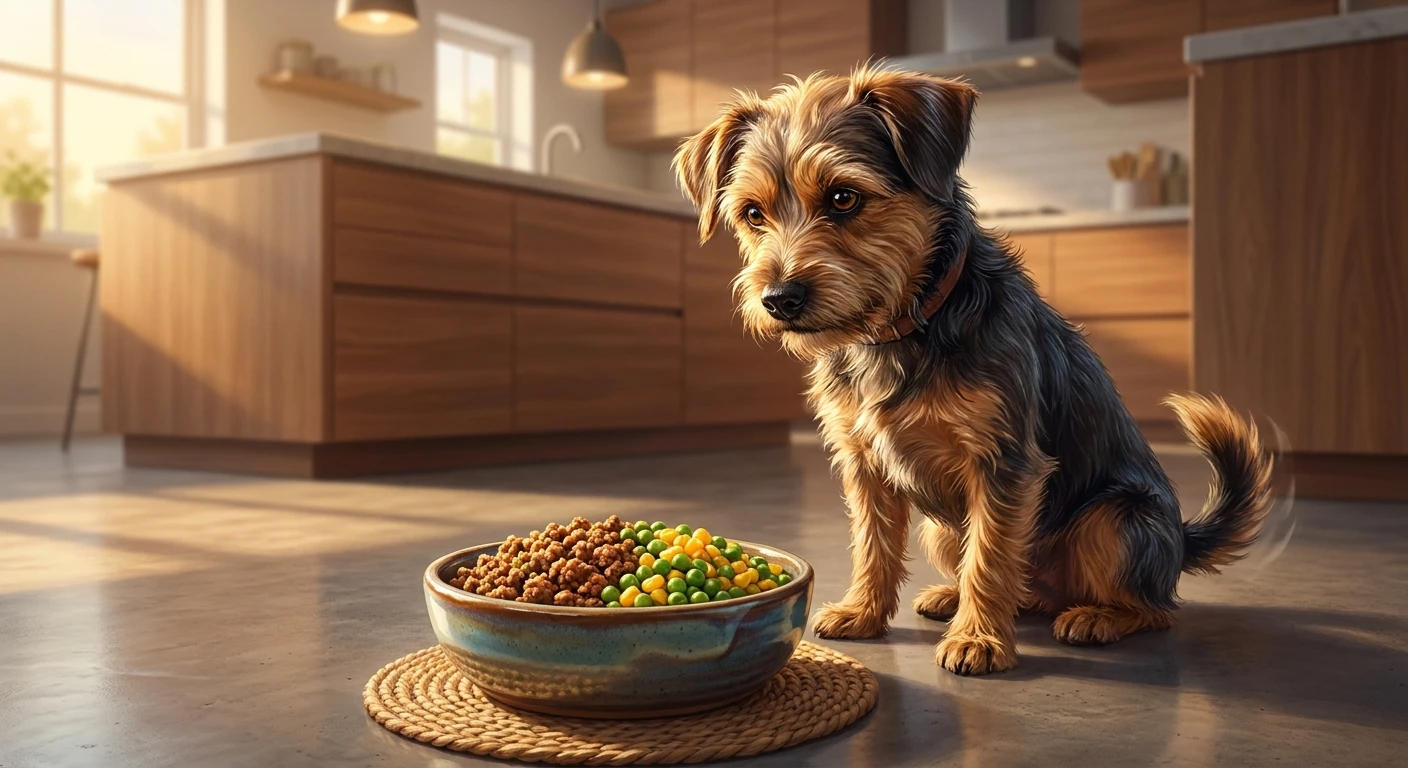
Once you are confident the meat is digesting well, you can begin making it a more robust topper. Many owners have found success by cooking pork mince with peas and corn or carrots. Boil a small amount of the lean meat with these dog-safe vegetables to add valuable fiber, which further aids in the digestion of the meat.
Day 4: Creating a Balanced Bowl
By day four, you can start using the meat as a substitute for a portion of their regular food rather than just an extra treat. Replace exactly 10% of their daily kibble with the cooked, drained lean pork and vegetable mixture. Mix it thoroughly so they do not just pick out the meat and leave the dry food behind.
Day 5: Evaluating Energy Levels
Observe your dog’s behavior. High-quality animal proteins often lead to increased vitality. Ensure they are drinking plenty of water, as increased protein processing requires adequate hydration. If there are any signs of lethargy or excessive gas, scale back the amount immediately.
Day 6: Adjusting Portion Sizes
If all is going perfectly, you can increase the substitution to 20% of their total meal volume. Remember that meat is calorie-dense. You must visually assess your dog’s waistline and consult with a vet to ensure the total daily caloric intake remains stable, preventing unwanted weight gain.
Day 7: Full Integration into the Rotation
By the end of the week, your dog’s digestive flora will have adapted to the new protein. You can now safely keep extra-lean cooked ground pork in your regular rotation of high-value meal toppers or training treats, always adhering to the rule of boiling and draining excess fat.
Myths and Realities of Feeding Canines
Myth: All pork is highly toxic to dogs and will make them instantly sick.
Reality: The meat itself is perfectly safe and non-toxic. The sickness associated with this meat almost always stems from human preparations like heavy salt, toxic garlic powder, onions, or feeding dangerously high-fat sausage cuts.
Myth: Dogs can eat raw pork mince safely because wolves eat raw meat.
Reality: Raw commercial ground pork carries a significant risk of bacterial contamination and parasites. Unlike fresh kills in the wild, commercial ground meat is processed in ways that mix surface bacteria throughout the batch. It must always be cooked.
Myth: Pork mince is inherently too fatty for any dog to consume.
Reality: The fat content depends entirely on the cut you purchase. Extra lean varieties (under 5% fat) are incredibly healthy and perfectly manageable for healthy dogs when fed in proper moderation.
Can dogs eat pork mince every day?
While safe, it is not recommended to feed it every single day unless specifically formulated by a veterinary nutritionist as part of a complete diet. Variety in proteins ensures a broader spectrum of nutrients and prevents dietary fatigue or the development of intolerances.
What happens if my dog eats raw pork mince?
If your dog accidentally consumes raw ground meat, monitor them closely for signs of gastrointestinal distress, vomiting, or diarrhea. Contact your veterinarian immediately, as they may prescribe preventative deworming or antibiotics to guard against bacterial infections like Salmonella or parasites.
Can puppies eat cooked pork mince?
Yes, puppies can consume small amounts of fully cooked, unseasoned, lean ground meat. However, puppies have incredibly sensitive, developing digestive tracts, so the portions should be strictly limited to tiny, occasional tastes.
Is pork mince better than beef for dogs?
Neither is objectively better; they offer different benefits. Pork is generally higher in Thiamine and can be excellent for dogs allergic to beef. However, beef is often naturally leaner depending on the ground mix and contains higher levels of iron.
How should I cook ground pork for my dog?
The safest method is boiling it in plain water. This ensures the meat is cooked thoroughly while simultaneously pulling excess fat out of the meat and into the water, which you then drain away before serving.
Can I mix pork mince with dry kibble?
Yes, mixing a small amount of plain, cooked, lean ground meat into dry kibble is an excellent way to entice picky eaters and add a boost of high-quality, bioavailable protein to their standard meal.
Are there allergy risks with pork?
Any protein can theoretically cause an allergy, but pork is actually considered a novel protein for many dogs. It is frequently used in elimination diets for dogs that have developed severe allergies to chicken, beef, or lamb.
Conclusion
Navigating the world of fresh pet food does not have to be overwhelming. Providing your companion with delicious, varied proteins is one of the joys of pet ownership. As long as you prioritize extra-lean cuts, practice safe, plain cooking methods, and carefully monitor portion sizes to protect their pancreas, ground pork can be a fantastic addition to their bowl. Keep their diet balanced, keep the seasonings in the pantry, and enjoy watching them devour their healthy new treat. If you found this feeding guide helpful, share it with your fellow dog owners to help them safely expand their pets’ culinary horizons!