
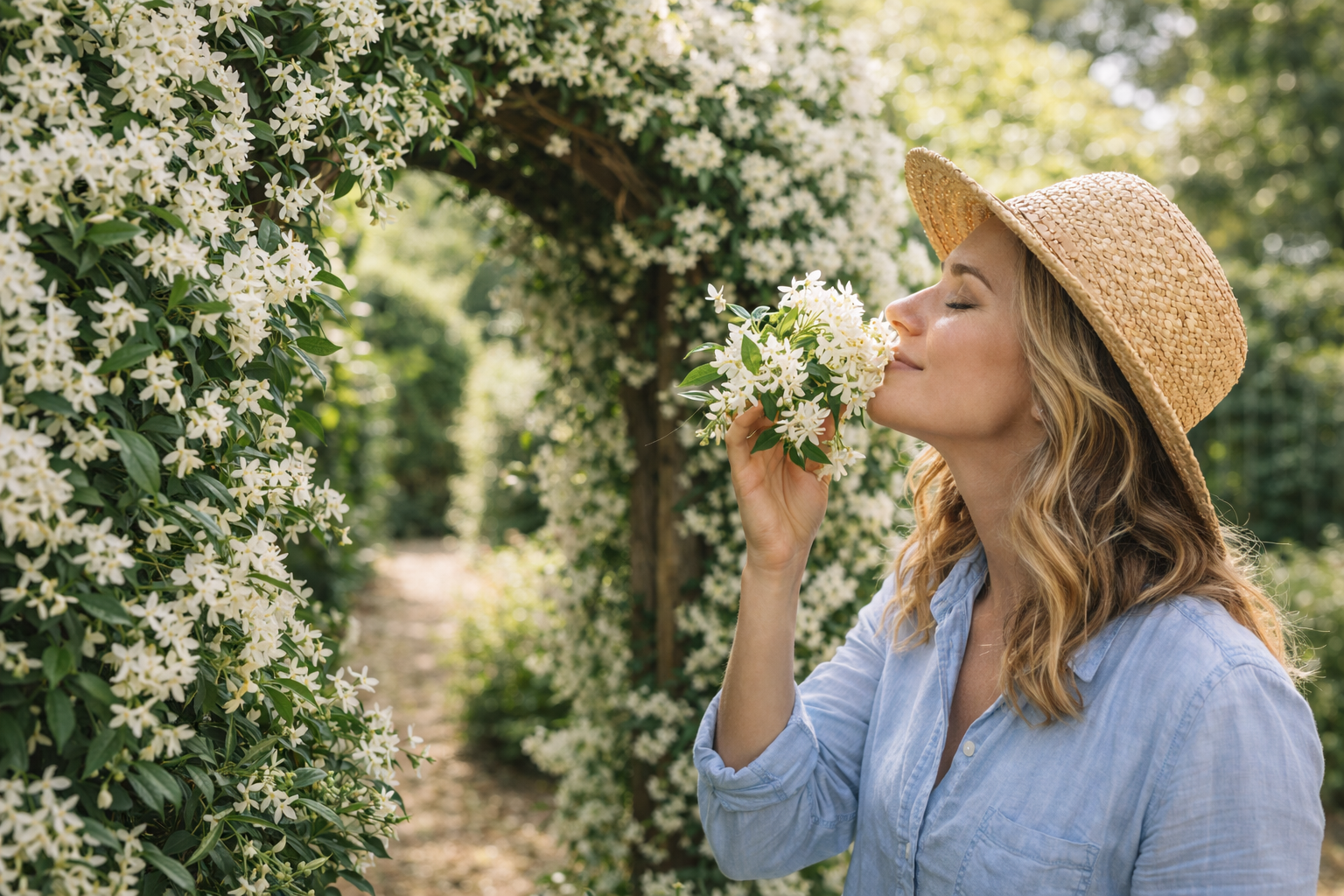
The Fragrant Climber: A Masterclass in Growing and Maintaining Stephanotis
There is something about the smell of Stephanotis that just hits different. If you have ever walked past a garden in Brisbane or Sydney on a humid summer evening and caught a whiff of something sweet, waxy, and impossibly clean, you have probably met the Madagascar Jasmine. Despite the name, it is not a true jasmine, but it definitely brings that same “wow” factor to a fence or a trellis.
Honestly, growing this thing can be a bit of a rollercoaster. It is beautiful, sure, but it can be a total diva if you do not get the basics right. In Australia, we have the sun, but we also have the dry spells and the occasional weird frost. So, how do you actually keep this climber happy without losing your mind? Let us break it down.
Getting the Vibe Right: Light and Location
First things first, you cannot just chuck a Stephanotis anywhere and expect it to behave. These plants are native to Madagascar, so they like it warm. But here is the kicker: they hate being fried. If you live somewhere like Perth or Adelaide where the summer sun feels like a literal blowtorch, you need to be careful.
Ideally, you want a spot that gets heaps of morning sun but stays shaded when the afternoon heat kicks in. Think of it like a person at the beach-loves the light, but needs an umbrella by 2 PM. A north or east-facing wall is usually the sweet spot. If you put it in full, deep shade, you will get plenty of green leaves but zero flowers. And let’s be real, we are all here for those white, starry blooms.
Soil is Everything
You cannot just dig a hole in clay and hope for the best. Stephanotis has sensitive feet. It wants soil that is rich, organic, and-most importantly-drains like a sieve. If its roots sit in soggy mud for a week, it is game over. Root rot is the number one killer here.
I always suggest mixing in some good quality compost and maybe a bit of perlite or coarse sand if your dirt is a bit heavy. It likes things slightly acidic, but don’t go overboard with the soil chemistry. Just keep it “fluffy” and nutrient-dense.
Watering Without Drowning
Watering is where most people mess up. During a typical Aussie summer, you might need to water every couple of days, especially if it is in a pot. But you have to check the soil first. Stick your finger in. If the top couple of centimeters are dry, give it a drink. If it’s still damp, leave it alone.
In winter, the plant goes into a bit of a nap. You can back off the watering significantly then. Overwatering in winter is a fast track to a dead plant. It’s all about finding that balance between “tropical paradise” and “swamp.”
Feeding Your Green Roommate
If you want those iconic clusters of white flowers, you have to feed the beast. A slow-release fertilizer for flowering plants works wonders in early spring. Look for something with a bit more potassium (the ‘K’ in NPK) to encourage those buds.
The Nutrient Checklist
- Apply a balanced slow-release fertilizer in September.
- Use a liquid seaweed tonic every few weeks during the peak growing season.
- Avoid high-nitrogen fertilizers once buds appear, or you’ll get leaves instead of flowers.
The Trellis Struggle: Training and Pruning
Stephanotis is a twining climber. It doesn’t have little suction cups or tendrils; it literally wraps its whole stem around things. This means it needs a solid support system. A wire trellis, a chain-link fence, or even some sturdy garden twine will do the trick.
Left to its own devices, it will become a tangled mess. You want to guide the new, soft shoots where you want them to go. Be gentle, though. If you snap a lead shoot, it’s not the end of the world, but it will stall the growth for a bit.
When it comes to pruning, less is usually more. Just snip off the dead bits or anything that looks like it’s heading for the neighbor’s yard. The best time to do a proper tidy-up is late winter or very early spring, just before the new growth starts pumping.
Seasonal Maintenance Guide
| Season | Task | Why it matters |
|---|---|---|
| Spring | Fertilize and Mulch | Sets the stage for summer blooms. |
| Summer | Consistent Watering | Keeps the plant from wilting in the heat. |
| Autumn | Light Pruning | Removes spent flowers and maintains shape. |
| Winter | Protect from Frost | Crucial for survival in colder regions. |
Common Drama: Pests and Yellow Leaves
So, your leaves are turning yellow? Don’t panic, but don’t ignore it either. Usually, yellow leaves mean one of three things: too much water, too much cold, or a nutrient deficiency (often iron). If it’s the middle of July and you’re in Melbourne, it’s probably just the cold. If it’s summer and the soil is soaking, stop watering!
Then there are the bugs. Mealybugs love Stephanotis. They look like tiny bits of white fluff hiding in the leaf axils. You can usually knock them off with a blast of water or some neem oil. Scale is another one to watch for-those little brown bumps on the stems. A bit of eco-oil usually clears that right up.
Growing in Pots vs. The Ground
Not everyone has a massive garden, and the good news is that Stephanotis actually does quite well in a large pot. In fact, if you live in a place with frost, a pot is better because you can move it to a sheltered veranda when the temperature drops.
If you are planting in a pot, use the best potting mix you can find. Cheap stuff won’t cut it. Also, make sure the pot has huge drainage holes. Use a saucer to catch the water, but never let the pot sit in a pool of water for hours.
Pros and Cons of Potted Stephanotis
- Pro: Portable (handy for frost protection).
- Pro: Easier to control soil quality.
- Con: Dries out much faster in summer.
- Con: Needs more frequent fertilizing.
The Flowering Game
The main event is, of course, the flowers. They usually show up from late spring through summer. They are thick, waxy, and look like they are made of porcelain. Fun fact: they are super popular in wedding bouquets, which is why they are often called “Bridal Veil.”
If your plant isn’t flowering, it’s usually because it’s too young (it can take a couple of years to settle in) or it’s not getting enough light. Sometimes a sudden change in temperature will make it drop its buds. It’s a bit of a sensitive soul, but when it finally blooms, the scent is absolutely worth the wait. It fills the whole garden, especially at night.
Propagation: Making New Babies
Want more plants for free? You can grow Stephanotis from cuttings, though it takes a bit of patience. Take a cutting of semi-hardwood (stems that are starting to turn from green to brown) about 10-15 cm long. Dip the end in some rooting hormone and stick it in a mix of peat and sand. Keep it warm and humid-maybe put a plastic bag over the pot-and wait. It can take a few months, so don’t give up if nothing happens for a while.
You can also grow them from seed pods (they look like big green mangoes), but that is a whole other level of commitment. The seeds have fluffy tails like dandelions and need to be sown while they are fresh.
What to Look for in a Healthy Plant
| Feature | Healthy Signs | Red Flags |
|---|---|---|
| Leaves | Dark green, glossy, firm | Yellowing, drooping, or sticky residue |
| Stems | Strong, flexible, clear of bugs | Brittle, covered in white fluff or brown scales |
| Flowers | Pure white, firm waxy petals | Buds falling off before they open |
Climate Specific Advice for Aussies
If you are up in Far North Queensland, your Stephanotis will probably grow like a weed. You just need to make sure it doesn’t get smothered by even more aggressive tropical vines. In Tasmania or the highlands, you’re going to struggle. You’ll definitely need a greenhouse or a very warm, sun-drenched indoor spot.
For those in the “middle” zones-Sydney, Perth, Coastal NSW-the main challenge is the dry summer wind. This can scorched the leaves and dry out the roots before you even realize. Mulching is your best friend here. A thick layer of bark or straw around the base (but not touching the stem!) will keep the roots cool and moist.
Final Thoughts on the Fragrant Climber
Stephanotis isn’t a “set and forget” plant. It requires a bit of an eye, a bit of attention, and the right spot. But honestly, once you get that first flush of flowers and that incredible scent hits you, you’ll forget all about the mealybug battles or the watering schedule. It’s one of those plants that turns a backyard into a sanctuary.
Quick Tips for Success
- Never let the roots sit in standing water.
- Protect from southern winds and frost.
- Give it a strong support to climb early on.
Stephanotis floribunda is a bit of a classic for a reason. It’s elegant, it smells like heaven, and it has that timeless look that fits any garden style, from modern minimalist to a wild cottage vibe. Just give it some love, keep the soil right, and enjoy the show.
Can you grow it indoors? Technically, yes. But it needs a massive amount of light. Most “indoor” Stephanotis plants eventually get sad and spindly because they just aren’t getting that Aussie sunshine. If you do try it inside, put it right next to your brightest window and maybe use a grow light if things look bleak.
Anyway, that is the lowdown. It is a rewarding project for any gardener who wants to level up their scent game. Good luck, and may your garden be the best-smelling one on the block!
Why is my Stephanotis dropping its leaves?
It is usually a shock to the system. Did the temperature suddenly drop? Or did you let it dry out completely? Check the moisture levels first. If it is winter, it might just be reacting to the cold.
How long does it take to flower?
If you bought a small plant from a nursery, it might take a season or two to settle in. Usually, by the time they are about a meter tall and have a good root system, they will start popping off buds.
Is Stephanotis poisonous to pets?
Generally, no. It is not considered highly toxic like some other climbers (looking at you, Oleander). However, it is always a good idea to keep the dog from chewing on the waxy leaves, as it might cause an upset stomach.
Can I grow it from the “fruit” it produces?
Yep! Those mango-shaped pods contain seeds. Wait for the pod to dry and split open, then plant the seeds immediately. Just be warned, it takes a long time to get a flowering plant from seed.
Do I need to prune it every year?
Not strictly necessary, but it helps. A quick tidy-up keeps it from becoming a tangled mess and encourages new growth, which is where the flowers actually form.
What is the best fertilizer?
Go for a high-potassium fruit or flower fertilizer in spring. Seaweed solution is also great for general health and helps the plant deal with heat stress.
Why aren’t the buds opening?
This is often called “bud blast.” It happens if the plant gets moved, experiences a big temperature swing, or if the humidity is too low. Try to keep the environment stable while it’s in bud.
Conclusion
In the end, growing Stephanotis is all about patience and paying attention to the little things. It’s a plant that rewards you tenfold for your effort. Whether it’s covering an old fence or framing a doorway, the Madagascar Jasmine brings a touch of class and an unbeatable fragrance to any Australian garden. Keep the roots cool, the head in the sun, and the water consistent, and you’ll be golden. Happy gardening!