
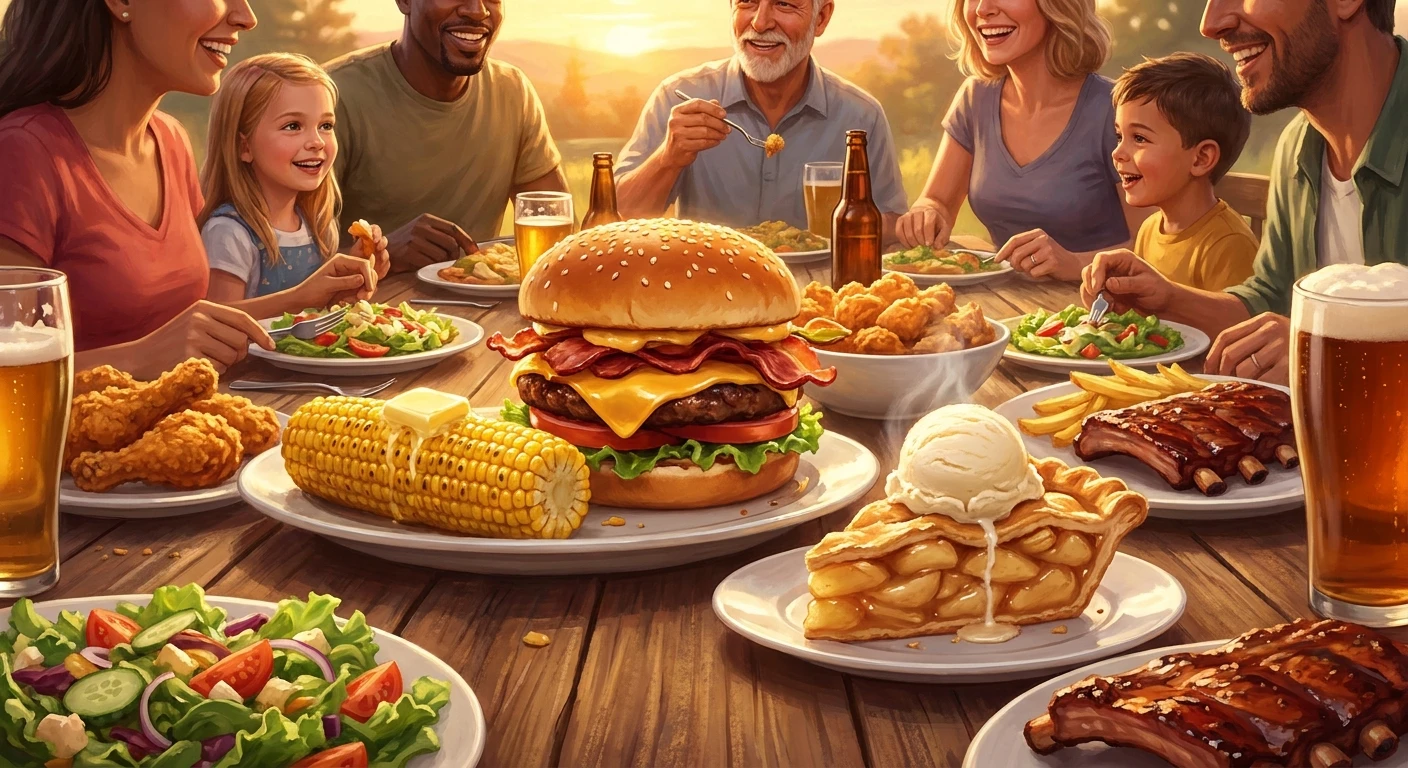
Exploring the Rich Tapestry of American Foods
When people think of American foods, the mind often rushes immediately to fast-food drive-thrus, heavily processed snacks, and giant sodas, but the true culinary landscape is profoundly richer and infinitely more complex. Defining this national cuisine means looking past the neon signs to find a continent-spanning mosaic of regional traditions, Indigenous agricultural practices, and centuries of immigrant influence. The central premise is simple: the nation’s gastronomy is not a monolithic entity but an ever-evolving fusion of global ingredients adapted to specific local geographies. From the heavily smoked, pepper-crusted briskets of Central Texas to the delicate, citrus-infused seafood of the Pacific Northwest, every plate tells a story of adaptation, survival, and agricultural resourcefulness. Coastal states rely heavily on the Atlantic and Pacific bounties, bringing dishes like rich clam chowder, crab cakes, and fresh salmon to the forefront, while the expansive Midwestern plains celebrate hearty grains, exceptional dairy, and robust meats. Southern states offer soul food, a deeply historical culinary tradition built on resourcefulness and complex flavor profiles. Understanding this sprawling food culture requires an open mind and a willing palate, ready to experience the varied textures, complex spice rubs, and slow-cooked comforts that genuinely characterize the nation’s dining tables. The journey through these flavors maps out historical migration patterns, climate zones, and agricultural innovations across fifty entirely unique states.
The Core Components and Regional Masterpieces
To truly grasp the value of regional gastronomy, one must examine the specific dishes that anchor local identities and economies. Consider the distinct value proposition of understanding these regional specialties: it allows diners to eat seasonally, support local agriculture, and experience authentic cultural expressions rather than homogenized commercial products. Choosing local recipes over mass-produced meals significantly reduces carbon footprints and preserves historic cooking methods. Two prime examples of this localized brilliance are authentic Louisiana Gumbo and the New England Lobster Roll. Gumbo is a masterful demonstration of slow cooking and cultural blending, utilizing historical French roux techniques, African ingredients like okra, indigenous spices, and local Gulf seafood. The Lobster Roll, conversely, thrives on absolute minimalism, pairing the sweet, cold-water crustacean with a simple buttered, toasted bun to highlight the natural oceanic flavors without heavy interference. Both dishes represent the pinnacle of utilizing immediate geographic resources to create world-class meals.
Read also: Mozzarella Sticks Maccas: The Ultimate Fast Food Guide; Why You Need to Visit south sydney Right Now; Guide to Finding the Best Instant Coffee.
| Signature Dish | Primary Region | Key Ingredients |
|---|---|---|
| Smoked Brisket | Central Texas | Beef brisket, coarse black pepper, kosher salt, post oak wood smoke |
| Clam Chowder | New England | Quahog clams, potatoes, heavy cream, salt pork, white onions |
| Green Chile Stew | Southwest | Roasted Hatch green chiles, pork shoulder, fresh garlic, potatoes |
| Jambalaya | Louisiana | Andouille sausage, shrimp, rice, celery, bell peppers, onions |
Navigating this immense culinary map can be daunting for newcomers. To approach regional dining authentically and maximize the quality of your meals, follow these essential guidelines:
- Seek out local farmers’ markets and independent, family-owned diners rather than national chains to experience unedited, generational recipes passed down through decades.
- Pay close attention to the agricultural seasons, ordering seafood strictly on the coasts and prioritizing root vegetables or hearty meats in the colder, inland territories during autumn and winter.
- Ask lifelong residents for their preferred neighborhood spots, as the most exceptional and authentic meals are frequently hidden in unassuming residential districts rather than highly trafficked tourist centers.
- Study the historical background of a region before visiting; knowing that Wisconsin has a heavy German and Swiss heritage explains the profound quality of their cheese and sausage production.
By prioritizing regional specialties, you actively participate in preserving local foodways that might otherwise be lost to rapid commercialization. The effort yields a much higher quality dining experience and a significantly deeper connection to the local environment and its inhabitants.
Origins and Indigenous Foundations
Long before European ships reached the Atlantic shores, indigenous populations cultivated a highly sophisticated agricultural system that remains the absolute bedrock of many modern dietary staples. The most crucial innovation was the Three Sisters planting method, a deeply symbiotic agricultural practice involving corn, beans, and squash growing together. The corn provided a natural trellis for the beans, the beans fixed essential nitrogen into the soil, and the broad squash leaves retained ground moisture while preventing weed growth. These crops provided complete nutritional profiles and sustainable, long-term soil management. Indigenous peoples also perfected the techniques of smoking and curing meats over hardwood fires, drying local berries for energy-dense pemmican, and pit-roasting seafood on the beaches. Modern dishes like savory cornbread, hearty succotash, and various Thanksgiving turkey preparations owe their entire existence directly to these ancient, localized foodways. Understanding these ancient roots is essential for appreciating the deep historical context embedded in every harvest festival and traditional holiday meal.
Evolution Through Global Migration
As waves of immigrants arrived over the centuries, the culinary landscape shifted dramatically and rapidly. Early European settlers brought dairy farming, wheat cultivation, and domesticated livestock, initially trying to replicate their homelands’ diets using unfamiliar New World ingredients. The forced migration of enslaved Africans introduced profound culinary contributions, establishing the very foundations of Southern cuisine with introduced ingredients like black-eyed peas, yams, okra, and highly complex spice profiles. Later, the nineteenth and twentieth centuries saw massive influxes of Italian, Chinese, Mexican, and Eastern European immigrants settling in booming urban centers. Each distinct group adapted their traditional recipes to the specific ingredients available in their new locales. This era of rapid adaptation gave birth to iconic hybrid dishes: Italian-American spaghetti and meatballs, Chinese-American chop suey, and the robust Jewish deli culture of New York City, featuring heavily smoked pastrami, cured salmon, and boiled bagels.
Modern State of Gastronomy
Presently, the nation’s culinary scene operates as a dynamic, rapidly innovating space that celebrates both extreme historical authenticity and highly daring fusion concepts. The proliferation of mobile food trucks has entirely democratized gourmet cooking, allowing classically trained chefs to experiment with Korean-Mexican tacos, gourmet grilled cheese sandwiches, and artisanal ice creams without the crippling overhead costs of a traditional brick-and-mortar restaurant. High-end dining establishments frequently emphasize the farm-to-table ethos, prioritizing hyper-local, sustainable sourcing and strictly seasonal menus that change daily based on farm yields. Furthermore, there is a massive and long-overdue resurgence in indigenous cooking, with modern Native chefs reclaiming pre-colonial ingredients and traditional preparation techniques to educate the public. This era proves that the culinary identity is not static; it operates as a continuously evolving dialogue between history, environment, and endless human creativity, resulting in one of the most vibrant and unpredictable dining cultures on the planet.
The Maillard Reaction in American Barbecue
To fully appreciate the precise science behind the nation’s beloved slow-cooked meats, one must understand the mechanics of the Maillard reaction. This is a highly complex form of non-enzymatic browning that occurs rapidly when amino acids and reducing sugars are exposed to specific high-heat environments, typically beginning around 285 degrees Fahrenheit. In traditional pit barbecue, this chemical process creates the highly coveted bark—the dark, intensely flavorful crust that forms on the exterior of a slowly smoked brisket or pork shoulder. Precise temperature control is absolutely critical; maintaining a steady ambient heat between 225 and 275 degrees Fahrenheit allows the tough, connective collagen in the meat to break down slowly into unctuous, tender gelatin without drying out the delicate muscle fibers. Simultaneously, the burning hardwood smoke introduces phenols and carbonyls, which act as natural antimicrobial agents while imparting the complex, savory flavor profiles that universally define authentic, competition-level barbecue.
Nutritional Biochemistry of Comfort Meals
Classic comfort meals often trigger very specific, highly documented neurochemical responses, providing intense psychological warmth alongside basic physical sustenance. The specific combination of high-fat dairy and simple carbohydrates, such as those prominently found in a classic baked macaroni and cheese, encourages the human brain to release elevated levels of dopamine and serotonin. However, balancing these incredibly dense macronutrient profiles requires a scientific approach to portion control and dietary fiber intake. Modern culinary science has successfully found ways to retain the textural satisfaction of these traditional dishes while significantly optimizing their overall metabolic impact through precise chemical manipulation.
- Emulsification dynamics: Perfecting smooth cheese sauces involves creating a highly stable emulsion of liquid fat and water, often utilizing the natural lecithin found in egg yolks or ground mustard powder to prevent the sauce from breaking and separating under heat.
- Acid-base reactions: Classic, flaky buttermilk biscuits rely entirely on the rapid chemical reaction between acidic cultured buttermilk and alkaline baking soda to produce carbon dioxide gas bubbles, creating a structurally airy, multi-layered texture.
- Gluten networking: The signature, satisfying chew of a New York bagel or a Chicago deep-dish pizza crust requires high-protein bread flour and an extended, cold fermentation process to develop a remarkably strong, elastic gluten matrix capable of holding dense toppings.
Day 1: Northeastern Seafood Boil
Begin your intensive culinary journey with a sincere tribute to the coastal abundance of New England. A traditional clam bake or seafood boil requires sourcing the absolute freshest hard-shell lobsters, sweet corn on the cob, native quahog clams, and spicy smoked sausage. To execute this authentically, steam these ingredients together over layers of fresh seaweed if possible, allowing the natural ocean brine to act as the primary seasoning mechanism. Serve this massive communal feast with copious amounts of clarified dipping butter, fresh lemon wedges, and crusty sourdough bread, focusing entirely on the unadulterated, pristine flavors of the cold Atlantic waters and coastal harvests.
Day 2: Southern Comfort Classics
Transition your palate to the deeply historical and rich flavors of the American South. Prepare a heavy cast-iron skillet of classic buttermilk fried chicken, ensuring you brine the poultry in heavily spiced buttermilk for at least twelve hours before dredging it in seasoned, high-protein flour. Pair this perfectly crispy main course with slow-cooked collard greens, flavored deeply with smoked turkey wings or traditional ham hocks, and bake a fresh skillet of unsweetened, coarse-ground cornbread specifically designed to soak up the highly flavorful, nutrient-dense pot liquor left at the bottom of the greens.
Day 3: Midwestern Hearty Staples
Embrace the vast agricultural heartland by preparing a classic, highly satisfying meat and potatoes meal, but elevate the execution. Source a high-quality, thickly cut bone-in ribeye steak from a local, sustainable butcher. Pan-sear the beef in a smoking-hot cast-iron skillet, basting it continuously with whole butter, crushed garlic cloves, and fresh thyme sprigs. Accompany the rested steak with a wild rice pilaf—a direct nod to the indigenous, aquatic grains of the Great Lakes region—and a generous side of roasted root vegetables glazed lightly in locally sourced, raw honey.
Day 4: Tex-Mex Spice Explorations
Explore the vibrant, culturally blended borderlands with a completely homemade Tex-Mex feast. Avoid hard-shell, commercial fast-food tacos entirely; instead, slow-braise a heavy beef chuck roast with rehydrated, dried ancho and guajillo chiles until the meat is incredibly tender and easily falls apart with a fork. Serve this richly flavored barbacoa on freshly pressed, warm flour tortillas, topped simply with finely diced white onions, fresh cilantro leaves, and a bright squeeze of lime juice. Accompany the tacos with charro beans simmered slowly with smoked bacon and roasted jalapeños.
Day 5: Pacific Northwest Freshness
Shift your menu towards the lighter, vibrant, and highly aromatic profiles of the Pacific Northwest. Grill a beautiful side of wild-caught King or Sockeye salmon directly on a soaked cedar wood plank to infuse the delicate fish with a subtle, earthy, woody aroma. Serve this premium protein alongside a fresh salad composed of foraged seasonal greens, locally roasted hazelnuts, and fresh blackberries, dressed lightly with a tart marionberry vinaigrette. This specific meal completely highlights the region’s intense commitment to sustainable, forest-to-table dining and fresh seafood.
Day 6: The California Fusion Experience
Celebrate the highly innovative, boundary-pushing spirit of the West Coast by crafting a meal that seamlessly blends diverse global cultural influences. Create artisanal flatbread pizzas utilizing a naturally fermented sourdough base, topped carefully with unconventional, hyper-fresh ingredients like thinly sliced imported prosciutto, fresh Black Mission figs, peppery baby arugula, and a sweet balsamic vinegar reduction. Alternatively, construct a high-grade, structurally complex sushi roll utilizing local Dungeness crab meat and fresh Hass avocado, perfectly representing the deep, historical Asian-Pacific influences on California’s modern culinary identity.
Day 7: Classic Diner Breakfast Revival
Conclude your week by carefully recreating the nostalgic, comforting magic of a classic, mid-century diner breakfast. Whisk together a rich batter for fluffy, thick buttermilk pancakes, cooking them on a screaming-hot, flat griddle until the very edges become perfectly crispy and golden brown. Fry several strips of thick-cut, heavily smoked, maple-cured bacon and prepare fresh farm eggs over-easy. Serve this massive spread with a steaming, oversized mug of strong, black drip coffee. This specific breakfast remains a universally beloved morning ritual, representing comfort, community, and simple pleasures.
Separating Culinary Fiction from Fact
Myth: All food in the United States is heavily processed, chemically altered, and entirely unhealthy.
Reality: While massive commercial fast-food corporations are highly visible global exports, authentic traditional regional cooking relies heavily on fresh, seasonal agriculture, lean, locally raised proteins, and complex, from-scratch preparation methods. Local farm markets and organic farming are massively influential across all fifty states.
Myth: Hamburgers and hot dogs were originally invented on American soil.
Reality: Both iconic items actually have distinctly documented European origins. The hamburger conceptually evolved from minced beef traditions in Hamburg, Germany, while sausages served in bread trace back to Frankfurt and Vienna. They were popularized, commercialized, and adapted heavily in the US, but they were not strictly invented there.
Myth: Authentic barbecue simply means grilling hot dogs, burgers, and chicken quickly in the backyard.
Reality: True, traditional barbecue refers specifically to the highly specialized process of low, slow-smoking tough, inexpensive cuts of meat over indirect heat using specific hardwoods, a meticulous process that routinely takes anywhere from twelve to eighteen hours. Backyard grilling is cooking very quickly over high, direct heat.
Myth: The national food culture lacks regional diversity compared to smaller European nations.
Reality: The sheer, massive geographical size of the continent ensures immense regional diversity, with entirely different climates and ecosystems providing vastly different native ingredients, resulting in highly distinct culinary regions that easily rival or surpass European countries in total variance.
Frequently Asked Questions and Final Thoughts
What defines traditional US cuisine?
It is strictly defined by the constant adaptation of indigenous ingredients, vast global immigrant traditions, and regional agricultural abundance, resulting in highly localized, unique specialties rather than a single, easily categorized national dish.
Are hot dogs truly native to the US?
No, they originated primarily from established European sausage-making traditions, specifically from Germany and Austria, but became an iconic, globally recognized street food after being wildly popularized at baseball games, local fairs, and amusement parks.
What is the most consumed meat?
Chicken has officially surpassed both beef and pork as the absolute most consumed meat nationwide, largely due to its incredible culinary versatility, significantly lower production cost, and perceived health and dietary benefits.
Is apple pie originally from America?
Despite the incredibly famous patriotic saying, apple pie definitively originated in Europe. The modern, heavily spiced recipe was adapted by early European colonists who brought apple seeds and baking techniques from across the Atlantic.
How does geography affect the diet?
Geography absolutely dictates local agriculture and dietary habits. Coastal regions heavily feature fresh seafood, the expansive Midwest relies heavily on beef and hearty grains, and the arid Southwest utilizes heat-tolerant crops like diverse chiles and resilient corn.
What is soul food?
Soul food is a deeply traditional, historically rich African American cuisine originating in the rural South, characterized by incredibly inventive uses of inexpensive ingredients, masterful slow cooking, and exceptionally robust, complex seasonings.
Are portions always exceptionally large?
While massive commercial restaurant chains often serve remarkably large portions as a marketing tactic, traditional home cooking and modern, critically acclaimed fine dining focus much more on medically balanced, nutritionally proportionate servings.
What makes Tex-Mex unique?
Tex-Mex is a highly distinct, localized regional cuisine that deliberately blends Northern Mexican culinary traditions with ingredients readily and cheaply available in Texas, heavily featuring ground beef, yellow cheddar cheese, wheat flour tortillas, and heavy cumin.
The sprawling tapestry of American foods remains an ongoing, highly documented narrative of human adaptation, environmental survival, and immense culinary creativity. From the ancient indigenous farmers cultivating the brilliant Three Sisters agricultural method to the modern, highly trained chefs earning prestigious Michelin stars with wildly innovative flavor fusions, the culinary landscape is endlessly fascinating and constantly changing. Embrace the deep regional complexities, seek out fresh, local ingredients, and start cooking your way through this massive, incredibly flavorful continent. Support your local farmers, experiment with new spices, and embark on a highly rewarding new culinary adventure in your own kitchen today!