
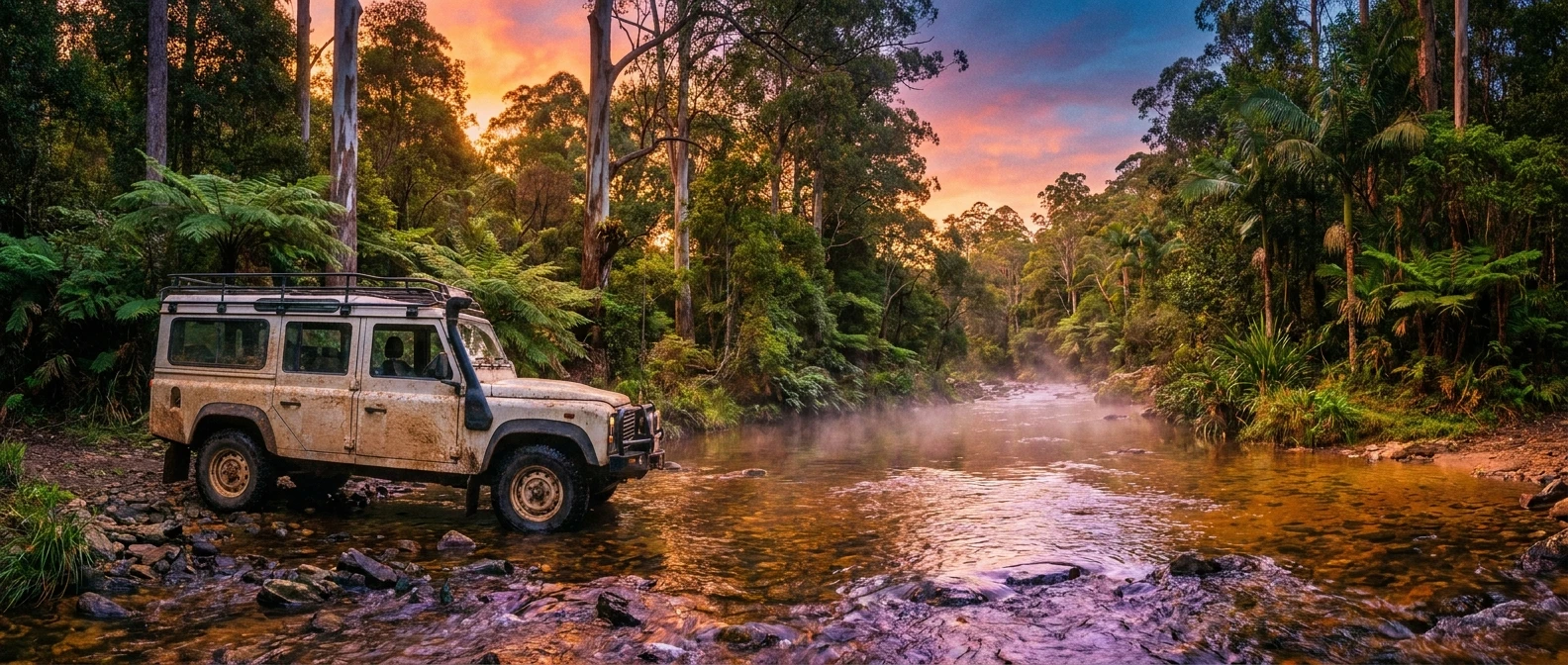
Surviving cahills crossing: Everything You Must Know
If you are planning to tackle cahills crossing anytime soon, you better know exactly what you are getting into before your tires even touch the water. This infamous river pass isn’t just a scenic spot on the map; it is a high-stakes battle against massive tidal shifts, giant saltwater crocodiles, and the utterly unpredictable Australian wilderness. Honestly, this place commands respect, and going in blind is the fastest way to ruin a perfectly good four-wheel-drive vehicle.
Let me level with you. As a Ukrainian who grew up swimming in the quiet, lazy, and completely predictable currents of the Dnipro River, standing at the edge of the East Alligator River was a massive shock to the system. Back in Kyiv, the absolute biggest danger in the water is stepping on a sharp rock or maybe getting tangled in some river weeds. Here at the crossing? You have got literal prehistoric predators waiting for you to make a tiny miscalculation. I remember my first time visiting the Northern Territory. I stood on the viewing platform and watched a beautifully modified, lifted 4WD completely stall out mid-river simply because the driver misjudged the incoming tide. The water rushed over the bonnet, the engine sputtered out, and the guy was trapped. It was wild, terrifying, and completely preventable. You need a solid plan.
Why This Crossing Demands Utmost Respect
Understanding the core dynamics of this location is what separates a fantastic road trip from a catastrophic insurance claim. The crossing serves as the primary gateway between Kakadu National Park and Arnhem Land. The benefit of making it across is massive: you get access to some of the most untouched, culturally rich, and breathtaking landscapes on earth. The harm, however, is equally extreme. If you mess up, you lose your vehicle to the corrosive saltwater, or worse, put your own life at serious risk from the intense currents and the massive apex predators lurking just below the murky surface.
Let’s look at a couple of real-world examples. Example one: The over-eager tourist. This guy shows up in a standard rental SUV, sees a tiny bit of water flowing over the concrete causeway, and decides to punch it. Halfway across, the tidal surge hits, the lightweight car loses traction, and it gets swept straight off the edge into croc-infested waters. Absolute nightmare. Example two: The seasoned local. This driver arrives, parks, checks the official tide charts, and drinks a coffee on the bank. They wait for the exact window of low tide, engage their low-range 4WD, keep a steady momentum without splashing, and glide across perfectly safely.
| Tide Level | Danger Level | Crocodile Activity |
|---|---|---|
| Low Tide (Under 0.4m) | Moderate – Safe for high-clearance 4WD | Low – Dispersed along riverbanks |
| Mid Tide (0.4m to 0.8m) | High – Risk of vehicle stalling | High – Gathering to feed on passing fish |
| High Tide (Over 0.8m) | Extreme – DO NOT CROSS | Maximum – Actively hunting in turbulent water |
To safely navigate this beast, you absolutely must follow a strict set of rules. I cannot stress these enough:
- Always cross-reference the official Bureau of Meteorology tide times before you even leave your camp.
- Never attempt the crossing if the water level indicator shows anything above your vehicle’s safe wading depth, which you should know by heart.
- Keep a steady, slow pace to create a bow wave in front of your vehicle, preventing water from flooding your engine bay.
- Do not stop, reverse, or change gears while you are actually in the water.
Origins of the Crossing
To really appreciate the sheer madness of driving a car through a crocodile-infested tidal river, you have got to understand where it all started. The crossing is named after Paddy Cahill, a pioneering buffalo hunter who established a farm at Oenpelli—now known as Gunbalanya—way back in the late nineteenth century. Back then, there was no concrete causeway. The local Aboriginal people, the traditional owners of the land, had navigated these complex river systems for tens of thousands of years, completely understanding the rhythms of the tides and the behavior of the animals. Paddy Cahill just needed a reliable way to move cattle, buffalo, and supplies across the treacherous East Alligator River during the dry season.
Evolution over the Decades
Over the decades, the crossing transitioned from a muddy, treacherous dirt track into something slightly more manageable. By the mid-20th century, as mining and tourism began to slowly open up the deep Northern Territory, the government realized they needed a somewhat stable road. They poured a concrete causeway straight across the riverbed. But here is the kicker: they did not build a high bridge. They built a low-level causeway that is deliberately designed to be swallowed by the river twice a day. They essentially paved a driveway straight through a wild river, expecting nature to just share the road.
Modern State of the River
Fast forward to the current year, 2026, and the crossing has morphed into a massive, globally recognized spectacle. It is no longer just a functional road; it is a gladiatorial arena for four-wheel drives. The local government has installed heavy-duty viewing platforms on the Kakadu side because hundreds of tourists show up daily just to watch the drama unfold. The concrete causeway is still there, but it takes an absolute beating from the wet season floods every single year. Authorities now have strict fines in place for people who act foolishly, and there are digital warning signs trying to talk sense into impatient drivers. Yet, despite all the modern warnings and high-tech gear, nature still holds all the cards here.
The Hydrology of the East Alligator River
Let’s get mildly technical for a second, because understanding the science of the water is how you survive. The East Alligator River is heavily influenced by a massive macrotidal system. This means the difference between high and low tide can be absolutely enormous, sometimes pushing up to six meters in the nearby ocean. When the tide comes in, it forces millions of tons of seawater upstream. This creates a phenomenon known as a tidal bore—a literal wall of water that forcefully pushes against the natural downstream flow of the river. When these two massive forces of water collide right at the shallow concrete causeway, it creates incredibly violent turbulence, deep washouts, and rapid changes in water depth that can flip a three-ton truck like it is a plastic toy.
Saltwater Crocodile Behavior Patterns
Now, let’s talk about the real stars of the show: the saltwater crocodiles, or Crocodylus porosus. The hydrology I just mentioned is exactly what draws them here. When the tide pushes over the causeway, it acts as a giant natural funnel for thousands of mullet and barramundi. The fish are forced over the shallow concrete, effectively serving themselves on a silver platter. The crocodiles know this rhythm perfectly. They are incredibly intelligent, opportunistic ambush predators. They gather in massive numbers on the downstream side of the crossing, waiting for the buffet to begin. They are not sluggish logs; they are explosive, highly evolved killing machines.
- Bite Force: A mature saltwater crocodile has a bite force exceeding 3,700 pounds per square inch, easily enough to crush metal car parts.
- Swimming Speed: They can burst through the water at speeds up to 29 kilometers per hour to snatch prey.
- Tidal Alignment: Studies show these crocodiles actively use the tidal currents to travel effortlessly up and down the river system.
- Density: The East Alligator River has one of the highest concentrations of saltwater crocodiles in the world, often boasting dozens of large adults in a single square kilometer.
Day 1: Research and Permit Gathering
You cannot just wake up and decide to cross into Arnhem Land. You need a permit from the Northern Land Council. Spend your first day getting your paperwork completely sorted. Without it, you are trespassing on Aboriginal land the second your tires leave the water on the other side.
Day 2: Vehicle Inspection and Prep
Your vehicle is your life raft. Spend day two checking your 4WD. Make sure your snorkel is completely sealed—a leaky snorkel will destroy your engine. Check your differential breathers, ensure your tires have decent tread for slippery concrete, and pack heavy-duty recovery gear just in case.
Day 3: Arriving at Kakadu National Park
Drive into Kakadu and set up your base camp. Get a feel for the climate. It is hot, humid, and taxing. Make sure you have plenty of drinking water and start acclimatizing to the rugged Northern Territory environment.
Day 4: Scouting the Tides
Do not drive across yet. Drive to the crossing, park safely, and walk up to the viewing platform. Spend a few hours just watching. Observe how fast the tide moves in. Watch the crocodiles gathering. See how the locals handle their vehicles. Taking this day purely for observation will build your confidence.
Day 5: The Crossing Attempt
This is it. Time your arrival for the dead low tide. Engage your 4WD low range before you touch the water. Turn off your air conditioning to stop your cooling fans from pulling water into the engine. Keep your speed steady, maintain that bow wave, and do not let off the accelerator until you are completely up the opposite bank.
Day 6: Exploring Arnhem Land
Once you are safely across, enjoy the incredible reward. Visit the Injalak Arts Centre in Gunbalanya. Take in the ancient rock art with an Indigenous guide. Respect the land, stay on the designated roads, and soak in one of the most culturally significant regions in Australia.
Day 7: The Safe Return Journey
You have to do it all over again. The river does not care that you made it across once. Check the tide charts again. Wait for the perfect window, execute the same flawless driving technique, and celebrate safely once you are back in Kakadu.
Myths vs Reality
Let’s clear up some dangerous nonsense you might read on internet forums.
Myth: If the water looks shallow and you don’t see any crocodiles, it is totally safe to walk across the causeway.
Reality: Absolutely not. Saltwater crocodiles can stay completely submerged for over an hour without leaving a single ripple. If there is water, there is a crocodile waiting.
Myth: A heavy, fully loaded 4WD truck is too heavy to get washed away by the tide.
Reality: The lateral force of moving water is staggering. Even a few inches of fast-moving water can break the traction of a massive vehicle and slide it straight off the edge into deep water.
Myth: Crocodiles are afraid of loud engine noises and will swim away from crossing cars.
Reality: These crocodiles are completely habituated to the sound of engines. They do not care. There are numerous accounts of aggressive crocs biting the tires of passing cars or snapping at people leaning out of windows.
Do I need a 4WD?
Yes, absolutely. Attempting this in a standard 2WD sedan is practically a guaranteed way to destroy your car and get stranded.
Are there crocodiles year-round?
Yes. While they might be slightly less visible in the massive floods of the wet season, they are always there, dominating the ecosystem.
Can I fish at the crossing?
Yes, but strictly from the elevated, fenced concrete viewing platforms. Never stand on the riverbank or the water’s edge.
Is a permit required?
Yes. Crossing the river means entering Arnhem Land, which requires a pre-approved permit from the Northern Land Council.
How deep does the water get?
During peak high tides or the wet season, the water can easily flow several meters above the concrete causeway, making it entirely impassable.
What happens if I get stuck?
You stay inside your vehicle, climb onto the roof if it fills with water, and pray someone sees you. Recovery operations cost thousands of dollars.
Is it open in the wet season?
Usually, no. The crossing is completely submerged and closed for months at a time during the tropical wet season.
Are there any warning signs?
Yes, there are digital depth indicators and massive warning signs detailing the exact dangers. Ignoring them is incredibly foolish.
Can I bring my dog?
Pets are generally not allowed in Kakadu National Park, and bringing a dog near this water is essentially offering free bait to the local predators.
Wrap Up
Look, conquering this intense piece of Australian infrastructure is an absolute bucket-list experience for any serious off-road enthusiast. It requires patience, proper vehicle preparation, and a healthy dose of fear. Treat the river with respect, time your run perfectly, and you will have a story to tell for the rest of your life. If you found this guide helpful for your upcoming Northern Territory adventure, share it with your travel buddies and start prepping your rig!