Discovering the Cutest Dog Breeds for Your Home
Man, if there is one thing guaranteed to boost your serotonin instantly, it is scrolling through pictures of the cutest dog breeds on the planet. We all know that feeling of stopping dead in our tracks on the sidewalk just to ask a stranger if we can pet their fluffy companion. You are reading this because you are probably thinking about bringing a tiny ball of joy into your life, and I completely get it. A dog is not just a pet; it is a loyal friend who completely changes the vibe of your home.
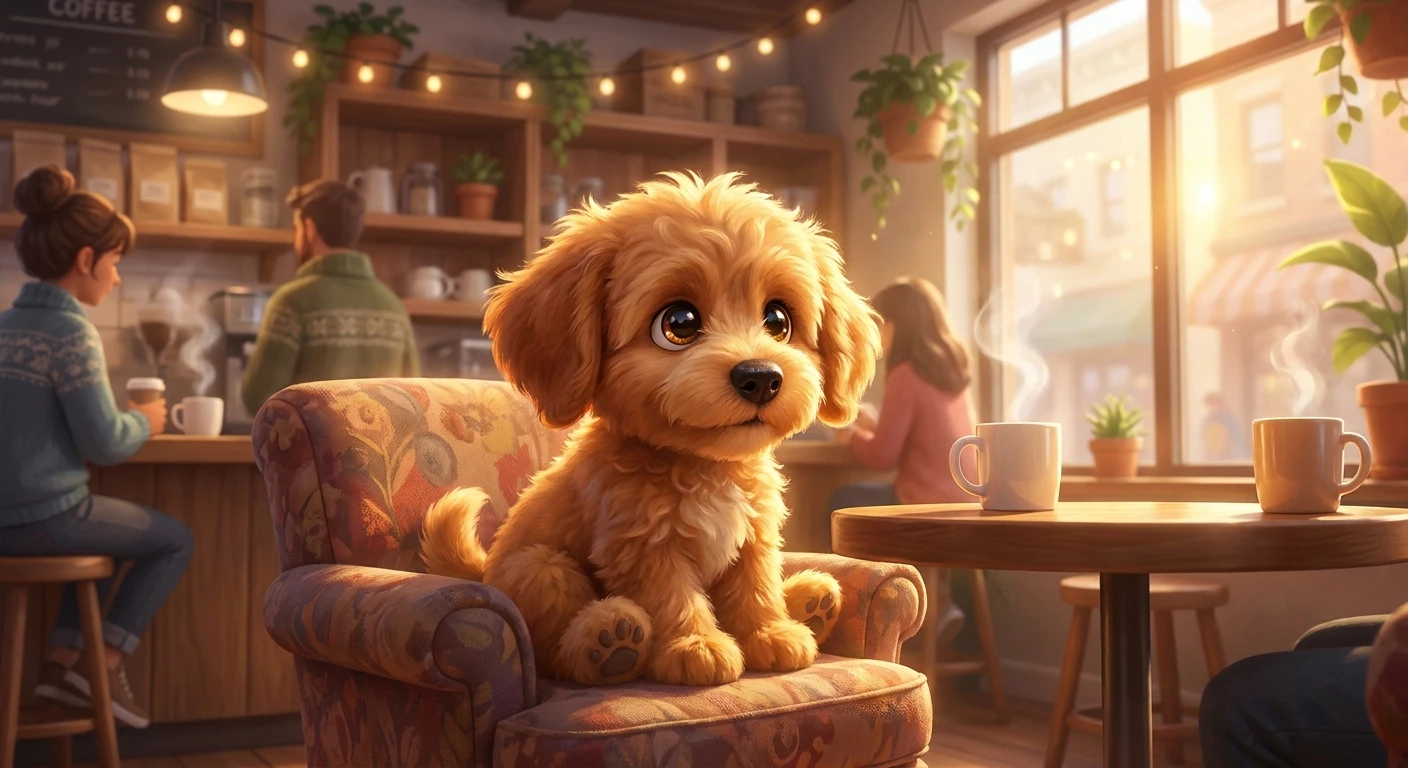
I was just grabbing an espresso near Zoloti Vorota in Kyiv a couple of days ago when this lady walked in carrying an impossibly tiny Pomeranian mix. The dog looked like a literal toasted marshmallow. Even amidst the usual hustle of the city, every single person in that cafe paused to smile. It was a perfect reminder of how a little furry face can instantly unite strangers and lighten the mood. Our thesis here is simple: picking a ridiculously adorable dog is fun, but matching that cute face with your actual lifestyle is what creates a lifelong bond.
Read also: Who is danica mason? Her Incredible Digital Wellness Rise; Mcphails furniture: Your Guide to Lasting Home Comfort; Mastering the royel maddell Protocol.
Finding the right match means looking beyond those big puppy-dog eyes and understanding what makes these animals tick. Some are couch potatoes, while others are tiny tornados. Let us figure out exactly which of these adorable pups fits your daily routine perfectly.
When you focus on the cutest dog breeds, you get obvious benefits: instant companionship, a biological boost in happiness hormones, and a very popular Instagram feed. But it is not just about aesthetics. Companionship with an animal lowers blood pressure and reduces anxiety. Think about the value a French Bulldog or a Cavalier King Charles Spaniel brings to a small apartment—they do not need miles of running, just a cozy spot on your lap. On the flip side, getting a high-energy dog purely for its looks can backfire if you hate going outside.
Here is a quick breakdown of some top contenders, their cuteness specialty, and what you actually need to know about living with them:
| Breed Name | Primary Cuteness Factor | Daily Energy Level |
|---|---|---|
| Pomeranian | Looks like a walking cotton ball | Moderate (loves short, zoomy walks) |
| French Bulldog | Bat ears and squishy wrinkles | Low (prefers naps over marathons) |
| Samoyed | Permanent “Sammy Smile” | High (needs serious outdoor time) |
Choosing a dog because it looks like a teddy bear is tempting, but you have to factor in reality. You might fall in love with a fluffy coat, but you must also love the grooming that comes with it. Here are three major things you must figure out before committing to a cute pup:
- Grooming and shedding reality checks: That massive, fluffy coat means daily brushing and professional grooming bills. If you hate vacuuming, a short-haired cutie might be a better choice.
- Vocalization tendencies: Many small, adorable dogs were originally bred as watchdogs. They will bark at the wind, the postman, and occasionally at absolutely nothing.
- Separation anxiety: Companion breeds are literally genetically wired to be with you 24/7. They can get incredibly stressed if you work 12-hour shifts away from home.
The Ancient Origins of Toy Breeds
Humans have kept dogs around for thousands of years, but originally, they were strictly working animals. They guarded camps, herded sheep, and hunted games. But somewhere along the line, people realized that smaller, friendlier dogs made amazing indoor companions. Ancient royalty in China and Europe began breeding specifically for size and temperament. The Pekingese, for instance, was bred to fit inside the sleeves of Chinese emperors. They were literal status symbols of the ancient world. If you owned a tiny, cute dog, it meant you were wealthy enough to feed an animal that did not have a job.
The Evolution of Companion Dogs
As centuries passed, the middle class grew, and the demand for indoor pets exploded. The Industrial Revolution brought people into smaller city dwellings, meaning massive hunting dogs were no longer practical for the average family. Breeders started mixing smaller terriers and spaniels to create the ultimate lap dogs. The goal was to create dogs with softer coats, rounder faces, and deeply affectionate personalities. This era birthed many of the spaniel varieties we adore today, focusing entirely on their ability to sit nicely by the fireplace and look charming.
The Modern State of Dog Breeding
Fast forward to the year 2026, and the designer dog craze is absolutely everywhere. Breeders are now crossing Poodles with almost everything to get that perfect hypoallergenic, teddy-bear look—think Cavapoos, Maltipoos, and Bernedoodles. While the focus is heavily on maximizing cuteness, ethical breeders are increasingly prioritizing health over extreme physical traits. We are seeing a pushback against breeding for ultra-flat faces in pugs and bulldogs, aiming instead to give these adorable dogs better breathing and a much higher quality of life.
The Science of the “Baby Schema”
Why do we completely lose our minds when we see a Golden Retriever puppy? It is all down to hardcore science. Decades ago, ethologist Konrad Lorenz introduced the concept of the Kindchenschema, or “baby schema.” This is a set of physical features that trigger an innate caregiving response in humans. Basically, things with large heads relative to their bodies, big round eyes, chubby cheeks, and clumsy movements hack our brains. When we see a dog with these features, our brains dump a massive dose of oxytocin (the love hormone) into our systems.
Genetics Behind Fluffy Coats and Big Eyes
Dog breeders over the centuries unconsciously selected for a genetic trait called neoteny. Neoteny is the retention of juvenile features into adulthood. It is the reason a full-grown Cavalier King Charles Spaniel still looks and acts a bit like a puppy. By selectively breeding dogs that kept their floppy ears, big eyes, and playful demeanors, humans effectively created permanent puppies.
Here are a few quick scientific facts about why these dogs appeal to us so much:
- Oxytocin Loops: When a dog stares into your eyes, both you and the dog experience a spike in oxytocin, similar to a mother and a newborn baby.
- The “Eyebrow” Muscle: Dogs have evolved a specific facial muscle (the levator anguli oculi medialis) that wolves do not have. It allows them to raise their inner eyebrows, creating that “sad puppy” look that we literally cannot resist.
- Softness Receptors: Petting a fluffy coat stimulates C-tactile afferents in human skin, nerve fibers that specifically respond to soft stroking, instantly calming our nervous system.
Bringing one of these amazing animals into your home is a big deal. If you are ready to take the plunge, you need a solid strategy. Here is a 7-day preparation plan to get your life ready for your new best friend.
Day 1: Research and Realities
Spend your first day being brutally honest with yourself about your lifestyle. Do you run 5 miles a day or marathon Netflix shows? Write down your daily routine. Match your energy level to the breed. Forget the looks for just one day and focus entirely on temperament and energy needs.
Day 2: Puppy-Proofing Your Space
Get down on the floor—literally. Look for exposed wires, toxic houseplants (like monsteras or lilies), and small items a dog could swallow. Cute puppies explore the world with their mouths, so you need to lock away cleaning supplies and shoes you do not want destroyed.
Day 3: Gathering Essential Supplies
Time to go shopping. You will need a high-quality harness (better for small throats than a collar), a sturdy leash, ceramic or stainless steel bowls, and a cozy bed. Do not forget the enzyme cleaner for those inevitable potty accidents. Stock up on appropriately sized chew toys, too.
Day 4: Finding a Responsible Breeder or Shelter
Start making calls. Look for rescues specific to the breed you want, or find a breeder who does extensive health testing. Ask for proof of genetic testing and insist on meeting the puppy’s parents. Walk away immediately if they offer to ship the dog to you without a meeting.
Day 5: Setting Up the Vet Schedule
Before the dog even arrives, find a highly-rated local veterinarian. Call them and set up an initial wellness exam for a few days after you bring the puppy home. Getting established with a good vet early will save you massive headaches during emergencies.
Day 6: Establishing House Rules
Sit down with everyone you live with and get on the same page. Is the dog allowed on the couch? Who handles the 6 AM bathroom break? Consistency is the fastest way to train a dog. If one person lets the dog jump on the bed and another yells at it for doing so, the dog just gets confused and anxious.
Day 7: Welcoming Your Fluffy Friend
The big day! Keep things extremely calm. Avoid inviting the entire neighborhood over to see the cute new arrival. Let the dog explore one or two rooms at their own pace. Show them their potty spot, offer some food, and just sit quietly with them while they adjust to their new universe.
Let us clear up some absolute nonsense you hear at the dog park.
Myth: Small, cute dogs are automatically easier to train than big dogs.
Reality: Tiny terriers and toy breeds are notoriously stubborn and often incredibly difficult to potty train because their bladders are the size of a walnut.
Myth: Fluffy dogs do not need real exercise; running around the apartment is enough.
Reality: Even a tiny Pomeranian has working ancestors. They need structured walks, outdoor sniffing time, and mental stimulation, or they will destroy your baseboards.
Myth: Purebred dogs are healthier because their lines are “pure.”
Reality: Mixed breeds often benefit from “hybrid vigor,” meaning a wider gene pool makes them less susceptible to the genetic diseases that plague heavily inbred purebred lines.
Are smaller dogs more expensive?
Surprisingly, yes. While they eat less food, toy breeds often require more frequent dental cleanings, specialized grooming, and they are highly prone to specific joint issues like luxating patellas. The initial purchase price for designer small breeds is also often sky-high.
Which breed is best for apartments?
French Bulldogs, Pugs, and Cavalier King Charles Spaniels are excellent choices. They are generally quiet, love sleeping, and do not need a giant backyard to stay sane.
Do cute dogs shed a lot?
It completely depends on the coat type. Samoyeds and Corgis will cover your life in a thick layer of fur. Poodles, Bichons, and many terrier mixes have hair instead of fur, meaning they barely shed at all.
How long do small breeds usually live?
Generally, smaller dogs live significantly longer than large breeds. It is very common for a healthy Chihuahua, Dachshund, or Toy Poodle to live well past 14 or 15 years.
Are fluffy dogs good with kids?
Some are, some aren’t. Golden Retrievers and Bernese Mountain Dogs are famously patient with children. However, tiny fragile dogs like Chihuahuas can snap if a toddler handles them too roughly.
What is the absolute cutest breed?
That is totally subjective! Some people love the squished face of an English Bulldog, while others melt over the wolf-like beauty of an Alaskan Klee Kai.
Do toy breeds bark a lot?
Yes, many do. They were bred to be alert dogs, meaning their job was to bark to warn bigger dogs of intruders. Consistent training early on is crucial to manage the noise.
Bringing one of these amazing companions into your life is an incredible journey. By now, you should have a solid idea of how to look past the pure cuteness and find a dog that actually fits your world. Take your time, do the research, and get ready for a lot of love. If you have a favorite fluffy breed we didn’t mention, drop a comment below and tell us why they are the absolute best!