
The Enduring Legacy of Mal Leyland
When you mention Mal Leyland to anyone familiar with classic Australian broadcasting, you immediately spark a wave of nostalgia for rugged, untamed outback adventures. Alongside his brother Mike, Mal Leyland revolutionized travel documentaries in an era before digital cameras, satellite navigation, and polished reality television. They brought the dusty, sweeping landscapes of the Australian interior straight into living rooms, capturing the imagination of a nation. The focus was never on high-budget gloss; it was entirely about authentic exploration and capturing the harsh realities of remote travel.
The cultural impact of these early expeditions cannot be overstated. Decades before modern influencers began documenting their overlanding trips on video-sharing platforms, these pioneers were strapping heavy film equipment to the roofs of their four-wheel drives and heading into the unknown. They demonstrated that remote geographical features, indigenous culture, and outback history were accessible to everyday people willing to brave the corrugated dirt tracks. Today, studying the methods of these early filmmakers provides an incredible blueprint for authentic storytelling and self-reliant travel. Their work remains a masterclass in engaging an audience through raw, unscripted adventure, proving that genuine curiosity is the greatest tool any documentarian can possess.
Read also: Jack de Belin Career and Impact; Who is danica mason? Her Incredible Digital Wellness Rise; The Ultimate Guide To Kevin Proctor Today.
The Core Elements of Leyland-Style Exploration
Understanding the value proposition of vintage expedition filmmaking requires looking at how these journeys were constructed. The methodology relied heavily on mechanical self-reliance, community interaction, and absolute resilience. When a vehicle broke down hundreds of miles from the nearest town, the repair process became part of the story rather than a frustrating delay to be edited out. This transparent approach to broadcasting created a deep bond of trust with the audience, who recognized the genuine risks and triumphs taking place on screen.
To truly grasp the shift in remote travel, we must compare the historical methods with contemporary overlanding practices. The technological leap over the last fifty years has fundamentally altered the risk profile and production quality of travel shows, yet the raw charm of early analog filmmaking remains highly sought after by enthusiasts.
| Aspect of Expedition | The Vintage Era (1960s-1970s) | The Modern Era (Today) |
|---|---|---|
| Navigation | Paper maps, compasses, local knowledge, dead reckoning. | GPS, satellite mapping, digital terrain tracking apps. |
| Emergency Communications | High-frequency (HF) radios with limited, unpredictable range. | Satellite phones, personal locator beacons (PLB), Starlink. |
| Cinematography | Heavy 16mm film cameras, manual focus, limited recording time. | Digital 4K cameras, drones, infinite digital storage. |
Implementing this vintage mindset into your own modern adventures can yield incredible benefits. Here are the core tenets to adopt:
- Embrace the Unpredictable: Allow mechanical failures, bad weather, and detours to become the highlights of your narrative rather than frustrating obstacles.
- Prioritize Self-Reliance: Learn basic mechanical repair, remote first aid, and analog navigation to build genuine confidence when traveling far from cellular service.
- Focus on the People: The landscape is stunning, but the characters living in remote outback stations provide the true heartbeat of any enduring travel story.
The Journey of an Outback Legend
Origins of a Filmmaking Dream
The story begins in the early 1960s, driven by an insatiable curiosity about the Australian continent. Long before massive television syndication, the initial passion was simply to see what lay beyond the comfortable coastal cities. The breakthrough came with the ambitious decision to travel down the Darling River in a small boat. This monumental effort, undertaken with limited funds and sheer willpower, proved that long-form adventure documentation was not only possible but highly captivating for domestic audiences hungry for homegrown content.
Evolution into Television Icons
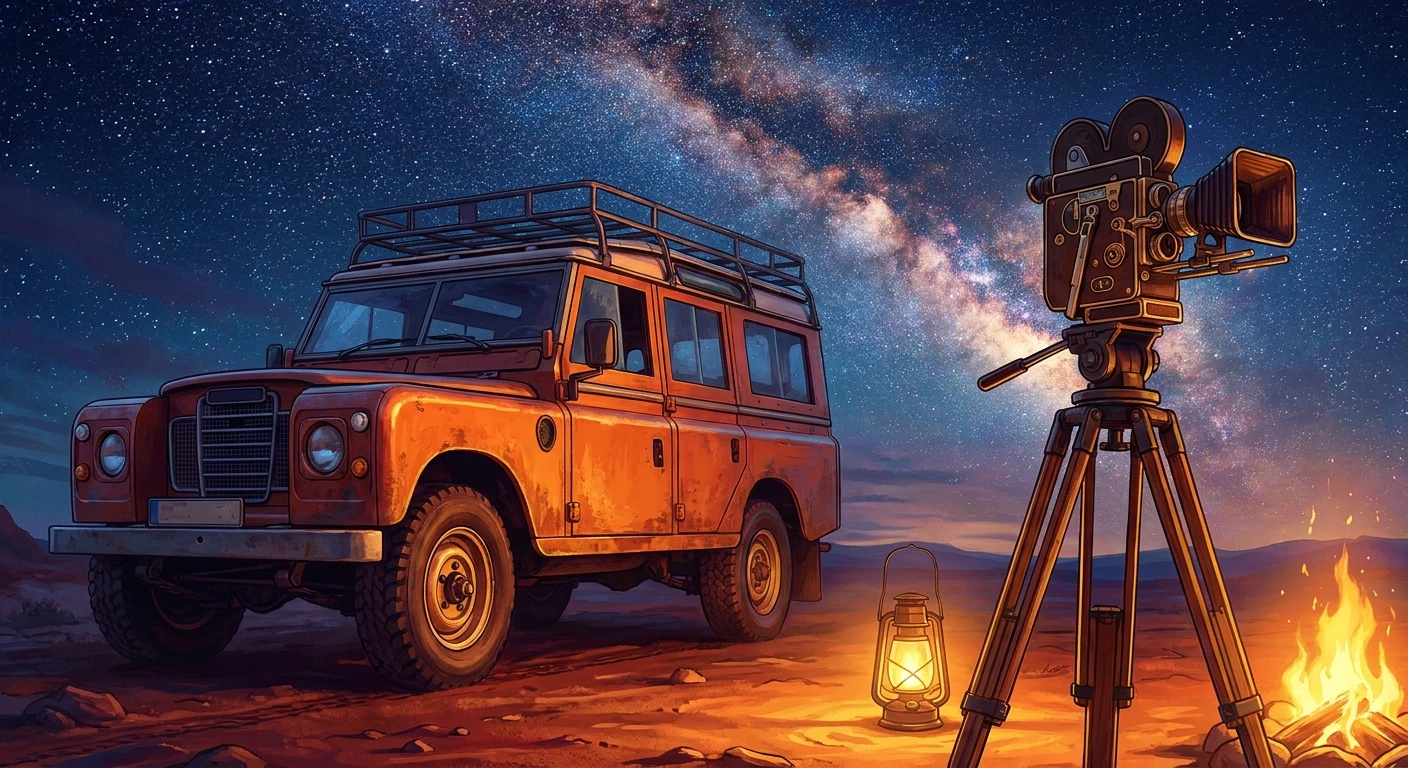
As the expeditions grew bolder, so did the production value and ambition. The historic 1966 motorized crossing of the Simpson Desert cemented their status as serious explorers. Traveling in heavily modified Land Rovers, the crew faced extreme heat, towering sand dunes, and constant mechanical strain. This grueling journey laid the groundwork for their legendary television series. The format of answering viewer questions by traveling to specific, often highly remote locations created an unprecedented interactive experience. The theme song and the genuine, unpretentious presenting style became permanent fixtures in the national consciousness, turning the brothers into household names and trusted guides to the continent.
The Modern State of Outback Documentaries
Today, the blueprint established during those dusty cross-continent trips heavily influences modern outdoor media. Independent creators on platforms like YouTube utilize the exact same narrative structure: identifying a remote destination, showcasing the arduous journey, and sharing the unfiltered reality of camp life. While the equipment has evolved from heavy film reels to lightweight digital sensors, the core appeal remains unchanged. The enduring legacy proves that audiences will always crave authentic, human-driven exploration over highly scripted, artificial drama.
The Mechanics of Remote Cinematography
Analog Equipment in Harsh Environments
Shooting a documentary in the desert during the 1970s presented massive technical hurdles. Filmmakers relied on wind-up or battery-operated 16mm cameras that were highly susceptible to fine red dust and extreme temperatures. Every second of film was expensive, meaning there was no room for endless takes or careless shooting. The camera operator had to act as a director, calculating exposure manually and anticipating the action before it happened. Protecting film stock from reaching boiling point inside a metal vehicle required immense care, often utilizing makeshift coolers and damp blankets to prevent the emulsion from melting and destroying weeks of hard work.
Vehicle Engineering for Extreme Isolation
Before the existence of modern four-wheel-drive accessory stores, outback vehicles had to be custom-engineered in home garages. Suspension systems were reinforced with whatever steel was available, and massive long-range fuel tanks were hand-welded to ensure survival across vast arid stretches. The mechanical knowledge required to keep these heavy, overloaded vehicles moving was staggering. When a differential blew out or an axle snapped on a rocky track, the crew had to rebuild it in the dirt using basic hand tools and extreme ingenuity.
Key technical realities of these early expeditions included:
- Audio Synchronization: Sound was often recorded separately on heavy reel-to-reel magnetic tape, requiring a physical clapperboard to sync audio and visual tracks later in a studio.
- Tire Management: Without modern radial mud-terrain tires, maintaining traction and repairing constant punctures with patch kits consumed hours of daily labor.
- Weight Distribution: Balancing the extreme weight of water, fuel, food, and heavy camera gear on rudimentary leaf-spring suspension required precise load management to prevent chassis fatigue.
A 7-Day Leyland-Inspired Outback Itinerary
Day 1: Route Planning and Mechanical Checks
Begin your journey by rejecting digital convenience for a moment. Spread a large topographical paper map across your hood and chart your course. Check your vehicle’s vital signs manually: inspect belts, fluid levels, and tire pressures. This tactile connection to your machinery sets the proper mindset for a self-reliant expedition where you are fully responsible for your own progression.
Day 2: Navigating the Corrugated Dirt Roads
As you leave the bitumen behind and hit the dirt, reduce your tire pressure to handle the relentless corrugations. The goal today is not speed, but preservation of your equipment. Listen to the sounds of your engine and suspension. Stop frequently to film or photograph the changing landscape, making sure to capture the dust trailing behind your tires to establish the atmosphere of the journey.
Day 3: Setting Up a Remote Bush Camp
Find a clearing far from the main track as the sun begins to set. A classic outback camp relies on simplicity. Roll out a basic swag, gather fallen timber for a small cooking fire, and boil water in a traditional cast-iron camp oven. Documenting the quiet, deliberate process of setting up camp provides a peaceful narrative contrast to the rough driving.
Day 4: Filming the Landscape Using Analog Disciplines
Pretend you only have three minutes of film left. Instead of mindlessly recording everything on your smartphone, spend an hour observing the environment. Wait for the golden hour light to hit the red rocks perfectly before taking a single, well-composed photograph or video clip. This forced scarcity breeds profound creativity and an appreciation for the subtle details of the bush.
Day 5: Crossing Arid Desert Terrain Safely
Tackle a challenging section of soft sand or steep dunes. Engage low-range four-wheel drive and maintain steady momentum. If you get bogged, avoid frustration. Rig your camera on a tripod, capture the recovery process, and use it as an educational moment in your travel story. Shoveling sand and utilizing recovery boards is a rite of passage.
Day 6: Engaging with Local Outback Communities
Pull into a remote roadhouse or outback town. Buy a cold drink and strike up a conversation with the locals or the station owners. The essence of vintage travel shows was always the fascinating characters met along the way. Listen to their stories about the history of the region, the weather patterns, and the harsh realities of remote living.
Day 7: Documenting the Journey’s End
As you return to civilization, take time to record a final reflection on the journey. Wash the thick layer of red dust from your vehicle, but keep the memories of the mechanical struggles, the quiet campfires, and the vast open skies. You have successfully captured the spirit of mid-century outback exploration, proving that the adventure lies in the process, not just the destination.
Common Misconceptions About Early Outback Shows
Myth: The expeditions were supported by massive hidden production crews.
Reality: The crews were incredibly skeletal, often consisting of just the brothers, their wives, and occasionally one or two friends. They drove the vehicles, operated the cameras, cooked the meals, and performed the mechanical repairs themselves without a fleet of support trucks.
Myth: Every situation shown on screen was heavily scripted for drama.
Reality: While the overarching route was planned, the daily events were entirely spontaneous. When a vehicle rolled over or sank into a muddy river crossing, it was a genuine emergency that they simply had the presence of mind to film while fixing.
Myth: The outback is exactly the same today as it was in the 1970s.
Reality: The proliferation of reliable communication, graded roads, and modern four-wheel drives has drastically reduced the isolation. Driving across the country today is far safer and more comfortable than the grueling physical endurance tests of the vintage era.
Frequently Asked Questions
Who is Mal Leyland?
He is a legendary Australian explorer, filmmaker, and television presenter who played a massive role in popularizing outback travel documentaries.
What vehicles were traditionally used?
Early expeditions famously relied on rugged Series Land Rovers, and later, iconic bright orange Volkswagen Kombi vans equipped for off-road conditions.
Did they cross the Simpson Desert?
Yes, in 1966, they successfully completed a historic motorized crossing of the Simpson Desert, cementing their reputation as serious and capable adventurers.
How did they edit their films?
Editing was an arduous analog process involving physically cutting and splicing 16mm film reels and manually synchronizing the separate audio tracks.
Where did they travel?
They traveled across almost every remote corner of the Australian continent, from the tropical north to the arid red center and the rugged western coast.
Are their documentaries still relevant today?
Absolutely. Their raw, honest approach to storytelling serves as the foundational blueprint for modern YouTube overlanders and adventure filmmakers worldwide.
Did they travel with their families?
Yes, many of the later expeditions uniquely featured their wives and young children, adding a relatable family dynamic to the extreme adventures.
Conclusion
The spirit of exploration championed by Mal Leyland continues to inspire countless travelers to leave the pavement behind. His ability to blend mechanical toughness with brilliant, empathetic storytelling created a cultural touchstone that defines the Australian outdoor lifestyle. Whether you are planning to tackle a local dirt track or a cross-continent expedition, adopting this resilient, curious mindset will elevate your journey. Pack your bags, study your map, and head out to make your own history!