
The Phenomenon of ronnie and georgia
When we talk about the undisputed titans of reality TV home renovations, ronnie and georgia always steal the show. Seriously, I vividly remember sitting in my cozy apartment in Kyiv, sipping a strong espresso while a winter storm raged outside, just binge-watching their incredible room reveals. Their ability to take a dilapidated, dusty shell of a building and turn it into a high-end luxury sanctuary felt almost magical to watch from halfway across the world. But it is not magic; it is sheer talent, relentless grit, and an impeccable eye for design. Over the years, this dynamic duo from Perth has completely rewritten the rulebook on what it means to flip a house for maximum profit. They brought an unapologetic edge to styling that challenged the safe, neutral palettes everyone else was doing. If you have ever felt stuck staring at a blank wall, wondering how to give your living space that elite, magazine-cover finish, you are in exactly the right place. We are going to break down their exact methodology, exploring how they balance raw construction challenges with sophisticated aesthetic choices to build massive property equity.
Decoding the Core Strategy: How They Build Massive Value
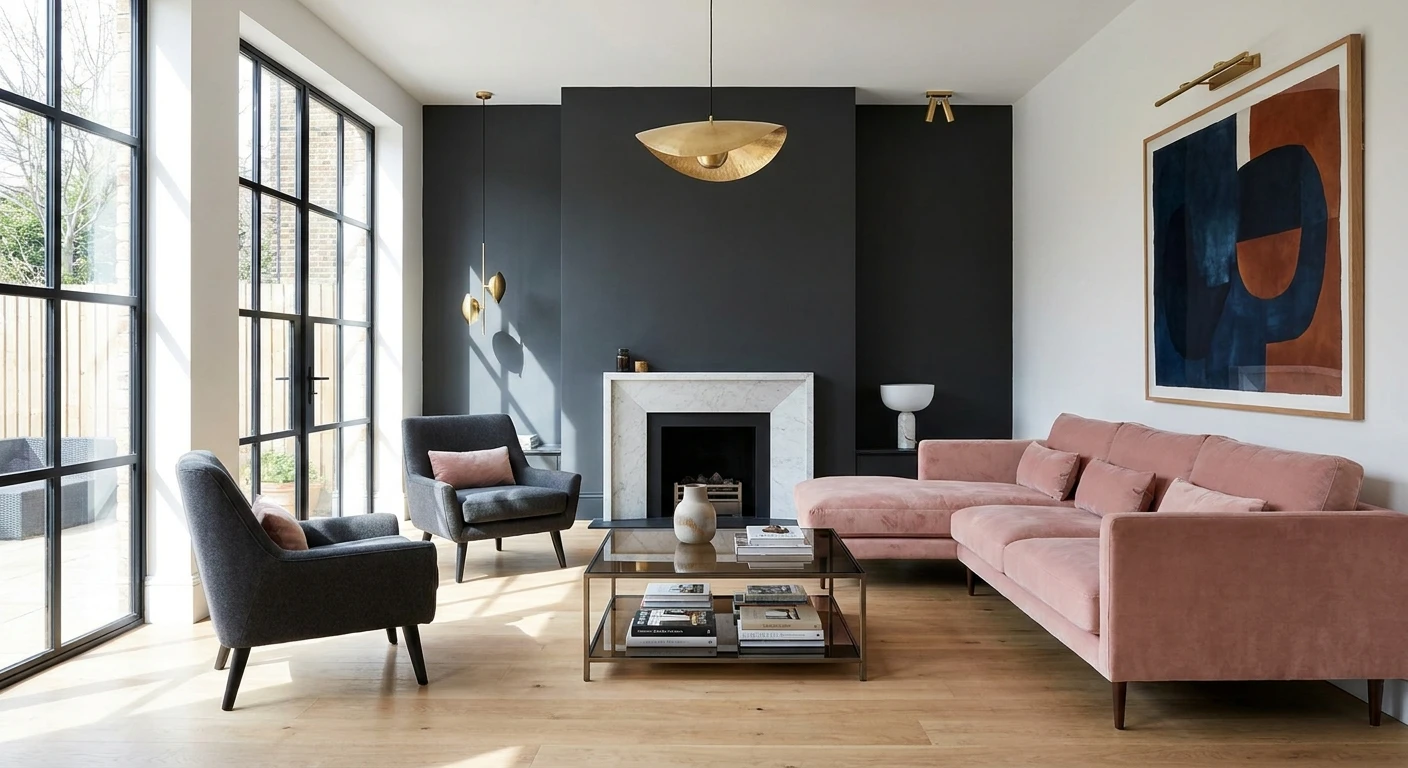
Let me tell you exactly why their aesthetic absolutely dominates the market and how you can leverage it for your own benefit. The primary value proposition of their design strategy is creating spaces that trigger an immediate emotional response from potential buyers. They do not just decorate rooms; they manufacture equity. When people walk into a property styled by them, they instantly feel a sense of prestige. For example, look at their iconic living room renovations where they paired stark matte black feature walls with soft, blush pink velvet sofas. That tension between masculine architecture and feminine furnishings creates a balanced environment that appeals to a massive demographic. Another prime example is their approach to exterior facades, where they boldly mix heritage brickwork with ultra-modern steel cladding, honoring the past while firmly pointing toward the future.
Read also: Mcphails furniture: Your Guide to Lasting Home Comfort; Who is danica mason? Her Incredible Digital Wellness Rise.
To truly understand how they distribute their budget and effort, check out this breakdown of their signature style across different zones of a home:
| Room Type | Signature Style Elements | Estimated ROI Boost |
|---|---|---|
| Master Ensuite | Floor-to-ceiling terrazzo, brass tapware, floating vanity | Extremely High |
| Main Living Area | Dark feature walls, oversized artwork, layered textures | High |
| Outdoor Entertaining | Seamless indoor/outdoor flow, built-in fire pits | Moderate to High |
If you want to emulate their success in your own property journey, you absolutely need to master these three foundational principles:
- Unapologetic Contrast: Never shy away from pairing very dark colors with brilliant, crisp whites to create instant architectural interest.
- Emotional Anchoring: Every single room needs one massive statement piece, whether that is an oversized abstract painting or a bespoke chandelier.
- Functional Flow: Beauty means nothing if the floor plan is chaotic. Always prioritize wide walkways and logical furniture placement before buying a single cushion.
The History and Rise of a Design Empire
The Humble Origins
Long before they were household names, this ambitious couple was quietly cutting their teeth in the fiercely competitive Western Australian real estate market. They started out doing what thousands of other couples try to do: buying rundown properties, putting in the sweat equity after their day jobs, and hoping for a decent return. The early days were incredibly gritty. They were managing tight budgets, dealing with unreliable tradespeople, and learning the harsh realities of construction through trial and error. But what set them apart right from the beginning was their absolute refusal to compromise on the final aesthetic. Even on shoestring budgets, they found clever ways to make spaces look expensive, sourcing second-hand pieces and upcycling them before upcycling was even cool.
Evolution of Their Brand
Their transition from local property flippers to national television superstars happened when they decided to showcase their skills on a massive public platform. It was a massive gamble. Putting your relationship, your finances, and your design choices under the microscope of millions of viewers is not for the faint of heart. However, they thrived under the pressure. The tight deadlines and sleep deprivation seemed to fuel their creativity rather than crush it. Viewers quickly realized they were not just reality TV characters; they were legitimate experts. They evolved from simply being contestants to becoming authoritative voices in the interior design space, launching their own homewares, consulting businesses, and collaborating with major lifestyle brands.
The Modern State of Their Empire
Now, as we navigate through 2026, their influence has only compounded. They have successfully transitioned from the grueling physical labor of 24-hour renovation challenges into managing a sophisticated design and property development firm. They are highly sought after for premium residential projects, often commanding top-tier consultation fees. Their social media presence acts as a daily masterclass for aspiring designers, where they share everything from structural advice to the precise shade of charcoal paint they use for exterior trims. They have solidified their legacy not just as entertainers, but as genuine trendsetters who changed the way a whole generation approaches home improvement.
The Science Behind the Aesthetic
The Psychology of Spatial Design
It is easy to look at a beautiful room and just think it looks nice, but there is actual science driving why their designs feel so impactful. Spatial psychology plays a massive role in their methodology. By manipulating sightlines and focal points, they trick the human brain into perceiving spaces as larger and more inviting than they actually are. When they place a massive piece of art at the end of a long, narrow hallway, it draws the eye forward, immediately eliminating the feeling of claustrophobia. They also expertly manipulate Light Reflectance Value (LRV). By choosing incredibly dark, low-LRV paints for specific alcoves or theater rooms, they intentionally create a feeling of compression, which makes the adjacent bright, high-LRV living spaces feel explosive and expansive by comparison.
Real Estate Valuation Metrics
Beyond psychology, their work is deeply rooted in the harsh mathematics of property valuation. Appraisers and buyers do not just pay for pretty pillows; they pay for perceived permanence. The duo focuses heavily on structural aesthetics—things that cannot be easily packed up and moved.
- Fixed Asset Maximization: Investing heavily in bespoke cabinetry and premium stone benchtops directly increases the core valuation of the property.
- Illumination Metrics: Upgrading from standard builder-grade lighting to layered lighting (ambient, task, and accent) mathematically increases buyer dwell time during open houses.
- Acoustic Control: Using heavy drapery and plush rugs in large open-plan spaces reduces echo, triggering a subconscious feeling of luxury and solid construction in potential buyers.
7-Day Blueprint: Achieving the Look
Day 1: The Brutal Declutter
You cannot create a masterpiece on a messy canvas. Your first day is strictly about removing the noise. Be absolutely ruthless. If a piece of furniture or decor does not serve a functional purpose or bring you immense joy, it needs to leave the premises. Their styling relies heavily on negative space to let the hero pieces breathe. Clear off your benchtops, box up the knick-knacks, and strip the room back to its bare bones. This gives you the clarity needed to envision the new layout.
Day 2: Strategic Mood Boarding
Do not even think about buying a can of paint until you have a cohesive vision. Spend day two creating a physical or digital mood board. You want to pull reference images that feature heavy contrasts. Look for rooms that mix matte black metals with warm, rich timbers. Establish your primary color, your secondary texture, and your metallic accent. Having this visual anchor will stop you from making impulse purchases that do not fit the master plan later in the week.
Day 3: Selecting a Bold Color Palette
This is where you commit. Head to the hardware store and gather swatches. You want to find a deep, moody color for your feature area—think charcoal, deep navy, or even a rich forest green. Pair this with a crisp, cool white for the remaining walls to maximize light bounce. Buy sample pots and paint large swatches on your walls, observing how the sunlight changes the tones throughout the morning, afternoon, and evening.
Day 4: Sourcing Statement Lighting
Lighting is the jewelry of the home. Throw out those generic glass oyster lights immediately. Spend day four hunting down a statement pendant or a structural chandelier. You are looking for pieces that have an architectural quality to them—perhaps a matte black geometric frame or a cluster of oversized frosted glass globes. Make sure the scale is large enough to dominate the ceiling space without hanging so low that it obstructs the view.
Day 5: Upgrading Textures and Fabrics
With the walls and lighting sorted, it is time to bring in the warmth. Their designs never feel cold because they aggressively layer textures. Swap out your basic cotton cushions for heavy velvets, nubby bouclé, or soft linens. Introduce a massive, thick rug that extends well beyond the edges of your sofa. The goal here is to make the room feel incredibly tactile; you want people to literally reach out and touch the furnishings when they walk in.
Day 6: Art Placement and Scaling
Small, disjointed gallery walls are out. Massive, commanding artwork is in. Find one or two enormous pieces of art that tie your color palette together. When hanging, ensure the center of the artwork sits at eye level (about 57 to 60 inches from the floor). If you cannot afford original canvas art, look into high-quality digital prints and have them framed professionally with a wide mat board to simulate a high-end gallery look.
Day 7: The Final Polish and Reveal
The last day is all about the micro-details. Style your coffee table using the rule of three: a stack of premium design books, a structural element like a marble bowl, and something organic like a vase of fresh, sculptural greenery (think monstera leaves or tall eucalyptus branches). Fluff the cushions, adjust the lighting dimmers, and step back. You have just engineered a premium space.
Myths and Reality
There are quite a few misconceptions floating around about how this duo operates and what it takes to mimic their success.
Myth: You need a massive, unlimited luxury budget to achieve their signature look.
Reality: While they certainly use high-end pieces, their core strategy relies on paint, layout, and contrast—things that cost very little. They frequently mix designer items with affordable, upcycled furniture.
Myth: Their dark, moody style is just a passing trend that will date quickly.
Reality: High contrast is a fundamental principle of classic design. Black and white, paired with natural textures, has been aesthetically pleasing for centuries and remains highly sought after.
Myth: Reality TV drama means they aren’t legitimate real estate experts.
Reality: The television edits often highlight stress for entertainment, but off-camera, they run a highly successful, strictly professional property flipping business with an impressive portfolio of profitable sales.
Frequently Asked Questions
Are they still actively renovating properties?
Yes, absolutely. As of 2026, they are still deeply involved in the property market, focusing heavily on premium flips and bespoke client consultations.
What is their go-to exterior color?
They are famous for utilizing deep charcoals and almost-black hues for exteriors, often paired with natural timber accents and crisp white window trims to create massive street appeal.
Can I hire them to design my house?
They do take on private clients through their design agency, though their waitlist is notoriously long and they tend to select projects that align closely with their specific aesthetic vision.
Do they do all the physical labor themselves?
While they are not afraid to get their hands dirty with demolition and painting, they utilize a trusted network of highly skilled tradespeople for structural, electrical, and plumbing work.
What is their favorite room to renovate?
They have frequently mentioned that master suites and main living areas are their favorites, as these zones offer the largest canvas for emotional impact and value adding.
How do they handle design disagreements?
Like any intense partnership, they debate vigorously. However, they rely on a rule of trusting the other’s instinct in their respective zones of genius—usually construction logistics versus styling.
Where do they source their incredible artwork?
They champion local, independent artists and often commission bespoke pieces specifically scaled to fit the massive walls of their projects, avoiding generic, mass-produced prints.
What is the biggest mistake amateur renovators make?
According to them, the worst mistake is playing it too safe. Painting everything beige and buying matching furniture sets results in flat, lifeless rooms that fail to excite buyers.
Summary
Mastering the aesthetic of ronnie and georgia is about being fearless with your choices. It is about understanding that true style comes from creating tension—mixing dark with light, old with new, and hard lines with soft textures. By adopting their rigorous standards and refusing to settle for mediocrity, you can radically transform your living space into a high-value sanctuary. Stop waiting for the perfect moment. Grab a paint brush, clear out the clutter, and start building your own property equity today!