
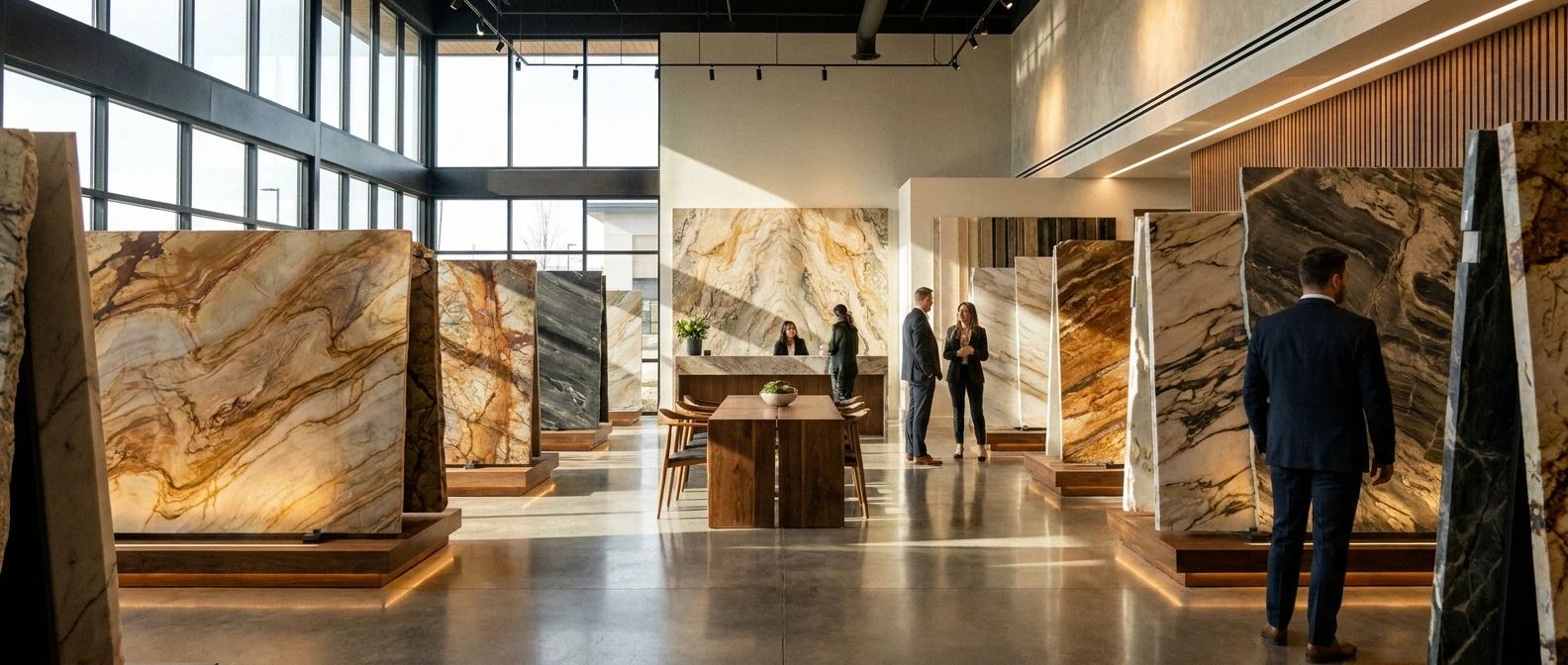
Why Sharon Granites Are the Ultimate Choice for Your Space
When you start planning a major kitchen remodel or upgrading your commercial workspace, selecting the absolute best material is usually the most frustrating part of the entire process, but Sharon Granites make that decision incredibly simple. You want a surface that looks phenomenal, handles heavy daily use, and does not require you to treat it like a fragile museum exhibit. This natural stone option delivers unmatched durability, unique veining, and a timeless visual appeal that mass-produced synthetic materials simply cannot replicate. We are going to break down exactly why these specific premium slabs stand out from the rest of the market, how they hold up to extreme daily wear and tear, and what specific details you need to know before making a final purchase. Choosing the right surface dictates how you will interact with your kitchen for the next few decades. You need a countertop that will not scratch when you accidentally slide a heavy cast-iron pan across it or scorch when you set down a hot baking sheet. Sharon Granites provide that exact level of industrial-grade resilience wrapped in an elegant, earth-formed aesthetic. Forget the endless showroom confusion and the conflicting sales pitches. We are giving you the straight facts on why this particular stone grade is the smartest investment you can make for your property’s long-term value and daily functionality.
The Core Benefits and Everyday Value
Understanding the actual daily benefits of natural stone requires looking past the glossy showroom lighting and focusing on how the material behaves in a chaotic, busy kitchen. The value proposition of Sharon Granites is built entirely on their combination of aesthetic uniqueness and absolute structural permanence. Every single slab is a one-of-a-kind piece of geological art, meaning no one else on the planet will have the exact same countertop pattern as you. But beyond the looks, it is the functional endurance that truly matters. Consider the scenario of pulling a 400-degree roasting pan straight out of the oven. With laminate or basic quartz, setting that pan directly on the counter will cause immediate melting, scorching, or permanent resin discoloration. With premium natural granite, you can set that scorching hot pan right down on the surface without a second thought. The stone was forged in volcanic heat, so your kitchen oven is simply not a threat. Another excellent example of this extreme durability involves heavy impacts. If you drop a thick ceramic coffee mug onto the counter from a high shelf, the mug will almost certainly shatter into pieces, while the stone surface will remain entirely undamaged.
Read also: Mcphails furniture: Your Guide to Lasting Home Comfort; The Ultimate Style Guide to genral pants; Guide to the Samimjan Azari Method.
| Feature Comparison | Sharon Granites | Synthetic Quartz Alternatives | Laminate Surfaces |
|---|---|---|---|
| Heat Resistance | Extreme tolerance to direct heat | Prone to resin scorch marks | Melts and burns easily |
| Scratch Resistance | Highly resistant to metal blades | Moderate resistance, can show wear | Easily gouged and scratched |
| Visual Depth | 100% natural, unique 3D crystal depth | Manufactured, repeating printed patterns | Flat, artificial printed layers |
| Lifespan and ROI | Lasts a lifetime, high resale value | 20-30 years, moderate resale value | 5-10 years, zero resale value |
Here are the primary functional reasons why builders consistently recommend this material:
- Unmatched Thermal Tolerance: The natural composition handles sudden temperature changes without cracking or thermal shock.
- Exceptional Density and Hardness: The interlocking crystal structure prevents minor abrasions from kitchen utensils and appliances.
- Zero-Fade UV Resistance: Unlike resin-based engineered stones, natural sunlight pouring through your windows will not yellow or fade the color of the granite over time.
The Geological Origins of Natural Granite
To truly appreciate the material sitting in your kitchen, you have to look at how it was formed over millions of years deep within the Earth’s crust. Granite is an igneous rock, meaning it was born directly from molten magma. As this magma slowly cooled far beneath the surface, the slow reduction in temperature allowed large, visible crystals of various minerals to form and interlock. This exceptionally slow cooling process is exactly what gives Sharon Granites their incredible density and their large, distinct granular patterns. The immense pressure of the earth pressing down on the cooling magma compacted the minerals together so tightly that there is virtually zero air space left between the crystals.
How Extraction Techniques Evolved
Getting this massive, dense rock out of the ground used to be an incredibly crude and destructive process. Early quarrying methods often relied on black powder explosives to blast chunks of stone out of the earth. While effective, this brute-force method created millions of microscopic fractures within the stone, weakening the final product. Today, the process is infinitely more refined. Quarries now utilize massive diamond-wire saws that slice through the mountainside with surgical precision. This modern extraction method ensures that the raw blocks pulled from the earth maintain their absolute structural integrity without any blast-induced micro-fractures, resulting in a significantly stronger final countertop for your home.
The Modern State of the Stone Industry
Today, the processing of raw stone blocks into polished slabs is a high-tech marvel. Once a block of raw granite is extracted, it is shipped to cutting facilities equipped with multi-axis computer-controlled saws. These massive machines slice the blocks into perfectly uniform slabs, usually around three centimeters thick for premium installations. After cutting, the slabs undergo a rigorous polishing process using a sequence of progressively finer diamond-abrasive pads. This polishing phase is what takes the stone from a dull, rough rock to the brilliant, mirror-like finish you see in the showroom. The modern state of the industry ensures that the Sharon Granites you purchase are flawlessly flat, consistently thick, and structurally sound.
Mineral Composition and Structural Integrity
The scientific makeup of the stone is what dictates its everyday performance. Granite is primarily composed of three specific minerals: quartz, feldspar, and mica. The feldspar provides the structural base and the predominant background color, whether that is a stark white, a deep charcoal, or a warm earth tone. The quartz acts as the hardened skeleton of the rock. On the Mohs hardness scale, where diamonds sit at a perfect 10 and talc sits at a fragile 1, the quartz within granite registers at a solid 7. This is significantly harder than the stainless steel used in your kitchen knives, which is why cutting directly on the stone will ruin your blades long before it scratches the counter. The mica adds the highly reflective, metallic flakes that catch the sunlight and give the surface its characteristic depth and sparkle.
The Science of Sealing and Porosity
Despite its incredible density, natural granite does possess a microscopic level of porosity. Between the tightly packed crystals, there are microscopic capillary tubes that can technically absorb liquids if left unsealed. This is where modern chemical science steps in to protect your investment. Premium penetrating sealers use long-chain fluoropolymers that seep deep into these microscopic voids. Instead of just coating the top like a varnish, these sealers bond chemically with the stone just below the surface. They drastically alter the surface tension of the stone, causing spilled liquids like wine, coffee, or oil to bead up entirely rather than soaking into the capillaries. This scientific barrier ensures that your surface remains completely stain-resistant while still allowing the natural stone to breathe.
- Mohs Hardness Rating: Consistently scores between 6 and 7, providing extreme resistance to mechanical abrasion.
- Thermal Expansion: Features a very low coefficient of thermal expansion, preventing warping near high-heat appliances.
- Compressive Strength: Can withstand thousands of pounds of pressure per square inch without structural failure.
- Chemical Inertness: Highly resistant to basic household acids, unlike softer stones such as marble or limestone.
Step 1: Measure Your Square Footage Precisely
Before you ever step foot into a stone yard, you need a highly accurate measurement of your project space. Grab a reliable tape measure and sketch out your entire cabinet layout on paper. Measure the length and depth of every base cabinet run, and do not forget to add an extra inch and a half for the standard overhang past the cabinet doors. This initial square footage number is crucial for getting accurate quotes and knowing exactly how many full slabs you will need to purchase.
Step 2: Select the Exact Slab in Person
Never buy natural stone based on a tiny four-inch sample square or a digital photograph. Natural variations mean that two slabs from the exact same quarry can look drastically different. You must visit the warehouse and select the exact slabs that will be installed in your home. Bring a cabinet door and a paint swatch with you to see how the colors interact under the bright warehouse lighting. Pay attention to the flow of the veining and how it will move across your specific kitchen layout.Step 3: Check for Natural Fissures Versus Cracks
While you are inspecting your chosen slab, run your bare fingernails lightly across the surface. You will likely feel tiny, natural pits or slight texture variations. These are completely normal characteristics of natural stone. However, if your fingernail catches sharply on a distinct line that runs completely through the stone, you might be dealing with a structural crack rather than a natural fissure. Always have the warehouse manager verify the structural integrity of the specific slab before putting down your deposit.
Step 4: Finalize Your Edge Profile Preferences
The edge profile you choose dramatically changes the overall look of the installation. An eased or square edge provides a sharp, modern, and minimalist look. A half-bullnose or full-bullnose offers a rounded, traditional appearance that is softer to the touch and slightly more resistant to edge chipping. Ogee edges provide an elegant, intricate, classic aesthetic but will cost significantly more due to the complex routing required. Make this decision early, as it affects the final fabrication costs.
Step 5: Schedule Templating with a Laser System
Once your base cabinets are fully installed and permanently secured to the walls, the fabrication company will come out to create a precise template. Ensure that they use a modern digital laser templating system rather than old-fashioned wood strips. Laser templating accounts for bowed walls, out-of-square corners, and precise sink cutouts down to the millimeter. You must have your exact sink and faucet on site during this process so they can measure the exact cutout dimensions.
Step 6: Prepare the Base Cabinets for Heavy Weight
Sharon Granites are incredibly heavy, typically weighing around eighteen to twenty pounds per square foot for a standard three-centimeter slab. Your base cabinets must be perfectly level across the entire run. If the cabinets are uneven, the rigid stone will sit improperly, creating stress points that could eventually lead to cracking under heavy loads. Check everything with a long spirit level, and ensure all cabinet boxes are securely screwed into the wall studs before the stone arrives.
Step 7: Oversee the Final Installation and Initial Sealing
On installation day, clear a wide path from the driveway to the kitchen. The installation crew will carefully carry in the massive pieces, set them with industrial adhesives, and join any necessary seams using a specialized, color-matched epoxy. Watch carefully as they pull the seams tight using vacuum clamps. Once the stone is perfectly set, ensure the crew applies a heavy coat of premium penetrating sealer, allows it to soak in, and buffs off the excess for a flawless, protected finish.
Myths and Reality
Myth: Natural stone requires constant, exhausting, and expensive daily maintenance to keep it looking good. Reality: Modern penetrating sealers last for many years, making daily upkeep as simple as wiping down the surface with warm water and a few drops of mild dish soap. Myth: All natural stone stains immediately and permanently if you spill red wine or dark coffee on it. Reality: Because of its incredibly high density and the application of modern sealants, granite gives you plenty of time to casually wipe up dark spills before any liquid can be absorbed into the microscopic pores. Myth: Natural stone patterns go out of style quickly, and you will have to replace them. Reality: Earth-formed geological patterns are universally timeless and consistently add high structural resale value to properties, completely unlike trendy synthetic prints that look dated in a decade. Myth: Granite countertops emit dangerous levels of radon gas and are unsafe for homes. Reality: Trace elements exist in literally all earth materials, but the emissions from commercial countertops are scientifically proven to be entirely negligible and perfectly safe for enclosed indoor environments.
How much do these slabs actually weigh?
A standard three-centimeter thick slab weighs roughly eighteen to twenty pounds per square foot, meaning an average kitchen island can easily exceed five hundred pounds.
Can I cut my vegetables directly on the surface?
You physically can, because the stone is harder than carbon steel, but doing so will severely dull and ruin your expensive kitchen knives very quickly.
Does the surface need to be sealed every single month?
No, high-quality penetrating sealers applied correctly only need to be refreshed every one to three years, depending entirely on how heavily the kitchen is used.
Can I install these slabs in an outdoor kitchen?
Absolutely, the natural composition handles extreme weather fluctuations perfectly, and the UV rays from direct sunlight will never fade or yellow the stone’s color.
What is the safest way to clean the counters daily?
The best method is simply using a soft microfiber cloth, warm water, and a very small amount of pH-neutral dish soap to wipe away grease and crumbs.
Will the edges chip if I hit them with a heavy pot?
The flat surface is nearly impossible to chip, but the sharp edges can chip if struck hard with a heavy blunt object like a cast-iron skillet.
Can accidental chips be repaired if they happen?
Yes, professional stone restorers can easily fill accidental chips using a specialized, color-matched, UV-cured epoxy that blends flawlessly back into the natural pattern.
Conclusion
Upgrading your space with premium materials is a major commitment, but choosing Sharon Granites guarantees that your investment will last a lifetime. You are securing a surface that easily fights off intense heat, resists daily scratches, and brings an entirely unique piece of geological history right into your home. The unmatched durability means you never have to tiptoe around your own kitchen, and the simple maintenance routine frees up your time. Stop worrying about fragile synthetic surfaces that wear out after a few years of heavy use. Take the next step toward a permanent, beautiful upgrade and contact your local trusted stone fabricators today to view their available slabs in person.